
10 Shocking Pest Facts in Singapore You Didn't Know
By United Pest Editorial Team, Pest Management Specialist
Singapore's tropical climate makes it one of the most pest-prone countries in Southeast Asia. While most residents have encountered cockroaches, mosquitoes, or rodents at some point, few realise just how pervasive and resilient these creatures truly are. Here are 10 shocking pest facts that every homeowner, tenant, and business owner in Singapore should know.
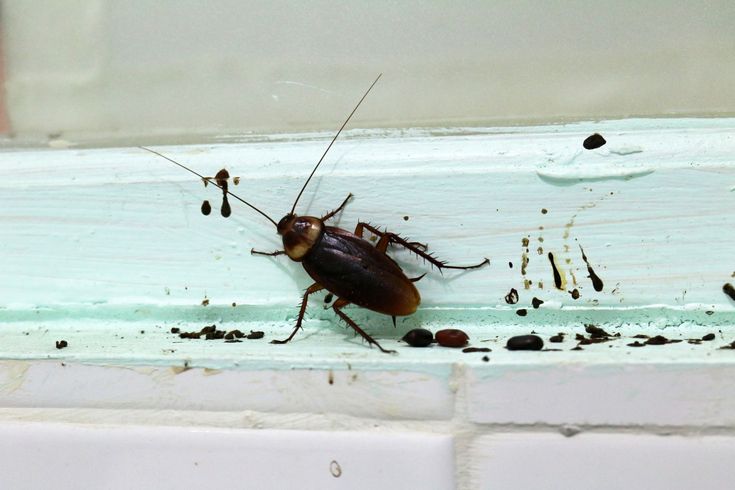
1. A Single Cockroach Can Produce Over 400 Offspring Per Year
The German cockroach, the most common species found in Singapore homes and kitchens, can produce up to 400 offspring annually. A single female carries an egg case (ootheca) containing 30–40 eggs, and she can produce multiple cases throughout her lifetime. This explosive reproduction rate means that a minor sighting can quickly become a full-blown infestation without professional cockroach control.
💡 Did You Know?
A cockroach can survive without its head for up to a week. It eventually dies from dehydration because it cannot drink water without a mouth.
2. Singapore Records Thousands of Dengue Cases Every Year
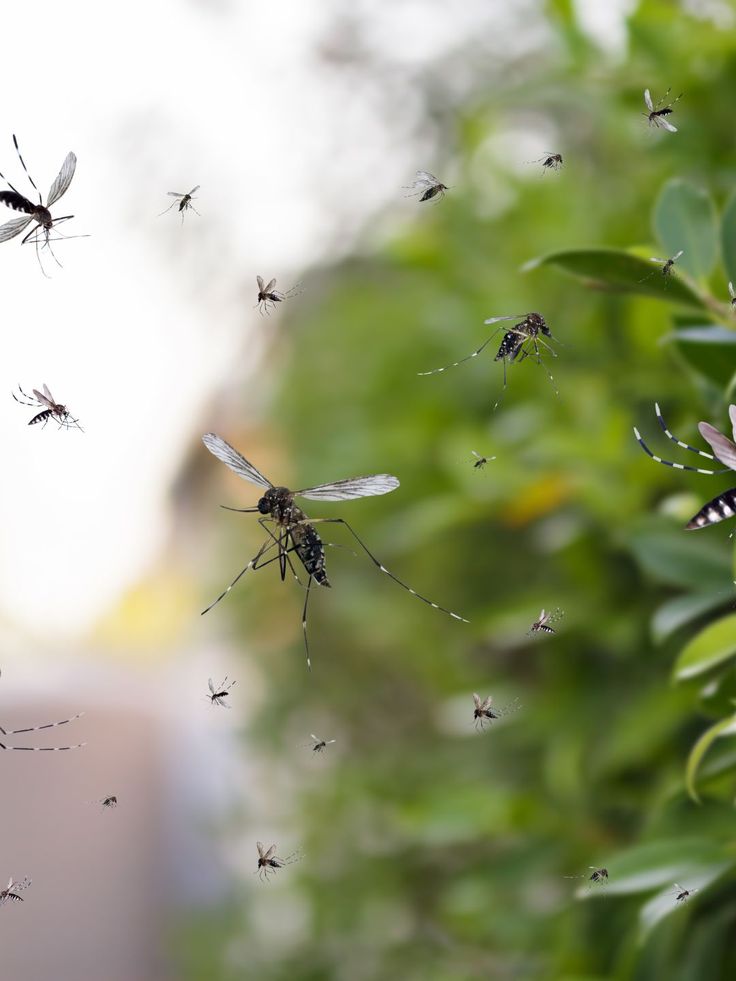
Dengue fever remains a major public health concern in Singapore. The National Environment Agency (NEA) consistently reports thousands of cases annually, with periodic surges during the warmer months. The Aedes aegypti and Aedes albopictus mosquitoes are the primary carriers, and they breed prolifically in stagnant water — even in volumes as small as a 20-cent coin.
3. Rats Can Squeeze Through a Gap the Size of a 50-Cent Coin
The Norway rat, commonly found in Singapore's urban areas, can compress its body to fit through openings as small as 2 centimetres. This means gaps around pipes, air-conditioning ducts, and damaged door seals are all potential entry points. Effective rodent control starts with sealing these small openings.
4. Termites Cause More Damage Than Fires and Storms Combined
In Singapore, termite damage to property is a silent and costly problem. Subterranean termites can consume wood 24 hours a day, seven days a week. Because they eat from the inside out, structural damage often goes unnoticed until it becomes severe. Annual termite inspections using thermal imaging technology can detect hidden colonies before catastrophic damage occurs.
💡 Did You Know?
A mature termite colony can contain over one million individuals and consume up to 5 kilograms of wood per day.
5. Bed Bugs Can Survive Without Feeding for Over a Year
Bed bugs are incredibly resilient. Under favourable conditions, an adult bed bug can survive 12 to 18 months without a blood meal. This makes them notoriously difficult to eliminate without professional treatment. In Singapore's hotel and hospitality industry, bed bug infestations can severely damage a business's reputation.
6. Flies Can Spread Over 100 Different Diseases
The common house fly is far more dangerous than most people realise. Flies can transmit pathogens that cause cholera, dysentery, typhoid, and tuberculosis. In commercial kitchens across Singapore, a fly infestation can result in failed NEA inspections and potential closure. Implementing ULV misting and proper sanitation protocols is essential for restaurants.
7. Singapore Has Over 170 Known Species of Ants
Singapore is home to a remarkably diverse ant population. Species like the ghost ant and pharaoh ant are common household invaders that contaminate food and are extremely difficult to control with DIY methods. Professional gel baiting treatments target the entire colony, not just the visible ants.
8. Mosquitoes Are the Deadliest Animal on Earth
Globally, mosquitoes kill more humans than any other animal — responsible for over 700,000 deaths annually through disease transmission. In Singapore, mosquito control is a national priority. NEA conducts regular inspections and imposes heavy fines on properties found with mosquito breeding habitats. Homeowners and businesses must remain vigilant in eliminating stagnant water sources.
💡 Did You Know?
Only female mosquitoes bite. They require blood proteins to develop their eggs. Males feed exclusively on plant nectar.
9. A Single Rodent Can Contaminate 10 Times More Food Than It Eats
Rodents are not just consumers — they are prolific contaminators. Through droppings, urine, and fur, a single rat can contaminate far more food than it actually consumes. For Singapore's F&B industry, this translates to significant food waste, health risks, and potential NEA violations. Regular monitoring trap installations help detect rodent activity early.
10. Pest Control Is a Legal Requirement for Food Businesses in Singapore
Under NEA regulations, all food and beverage establishments in Singapore must engage licensed pest control operators and maintain proper documentation of treatments. Failure to comply can result in fines, demerit points, or even licence suspension. Commercial pest control in Singapore is not optional — it is a regulatory obligation.
Protect Your Property Today
These facts highlight why proactive pest management is essential in Singapore's tropical environment. Whether you are a homeowner protecting your family or a business owner safeguarding your livelihood, regular professional pest control ensures that these shocking statistics remain facts — and not your reality.
Book a Free Inspection Today — Call 92222278