Vector Control
Vector control in Singapore is a legally regulated programme of mosquito breeding prevention carried out under the Control of Vectors and Pesticides Act and enforced by NEA. It combines weekly breeding checks, source reduction, larviciding, adulticiding and thermal fogging, backed by written inspection records that construction sites, town councils and MCSTs must produce during NEA audits.
Vector control is a regulated discipline in Singapore, governed by the Control of Vectors and Pesticides Act and enforced by NEA. United Pest & Vector Management delivers structured vector control programmes covering scheduled breeding checks, source reduction, larviciding, adulticiding, thermal fogging and the full documentation trail that main contractors, developers, town councils and MCSTs are required to produce on demand.
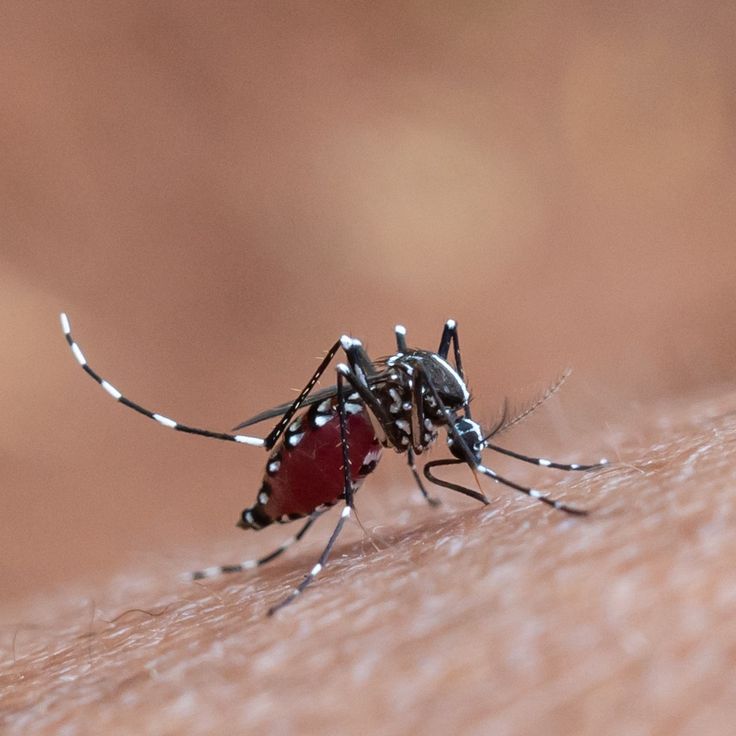
Common Vectors Found in Singapore
Identifying the specific species is crucial for effective treatment. Here are the most common types found in Singapore homes and businesses.
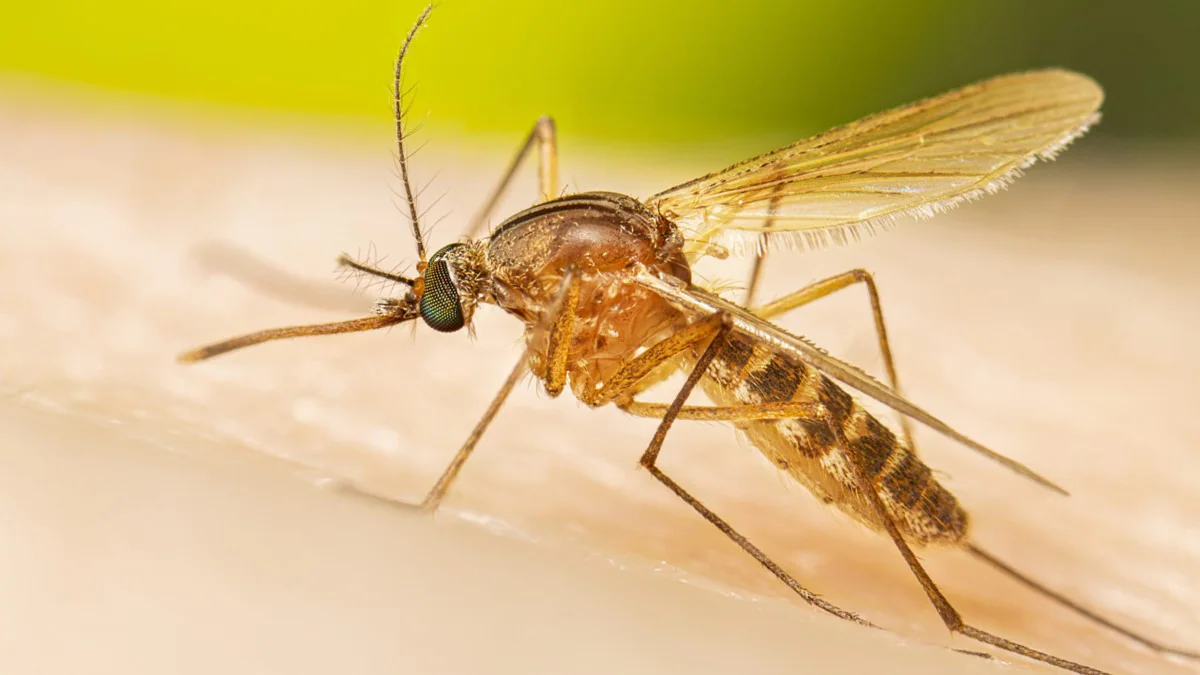
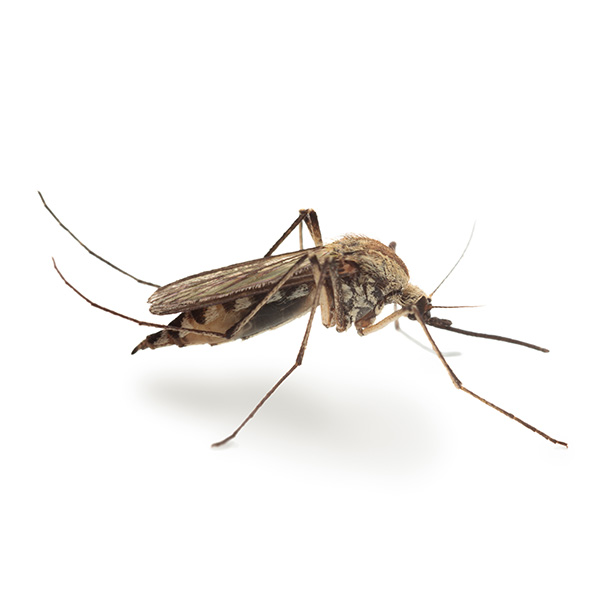
Signs of Infestation
Health & Safety Risks
Our Solutions
Scheduled Breeding Checks
Systematic weekly or fortnightly inspection of every potential breeding habitat on site, logged against a numbered checkpoint register that satisfies NEA record-keeping expectations.
Source Reduction
Physical elimination of breeding habitats: draining ponded water, removing receptacles, correcting falls, sealing tanks and advising on site housekeeping so habitats do not re-form between visits.
Larviciding Programme
Application of NEA-approved larvicides such as Bti, insect growth regulators and sand granular formulations to water bodies that cannot be removed, on a residual-life-matched cycle.
Adulticiding & Thermal Fogging
Space spraying, ULV misting and thermal fogging to knock down adult mosquito populations during cluster response or ahead of high-risk periods.
Vector Surveillance
Gravitraps, ovitraps and adult landing counts to measure population pressure over time, so treatment intensity is driven by data rather than guesswork.
Compliance Documentation
Dated inspection reports, chemical usage logs, licensed operator details, photographs of findings and corrective actions, compiled into an audit-ready file.
Treatment Process
Site survey and mapping of all potential breeding habitats into a numbered checkpoint register
Risk grading of each checkpoint and agreement of an inspection frequency with the site team
Immediate source reduction of habitats that can be permanently removed
Larviciding of retained water bodies with NEA-approved products on a residual-matched cycle
Adulticiding, ULV misting or thermal fogging where adult populations warrant it
Written report after every visit with photographs, findings, chemical logs and corrective actions
Monthly trend review and escalation plan if the site falls within a dengue cluster