Why Pests Increase During Rainy Season in Singapore
By United Pest Editorial Team, Pest Management Specialist
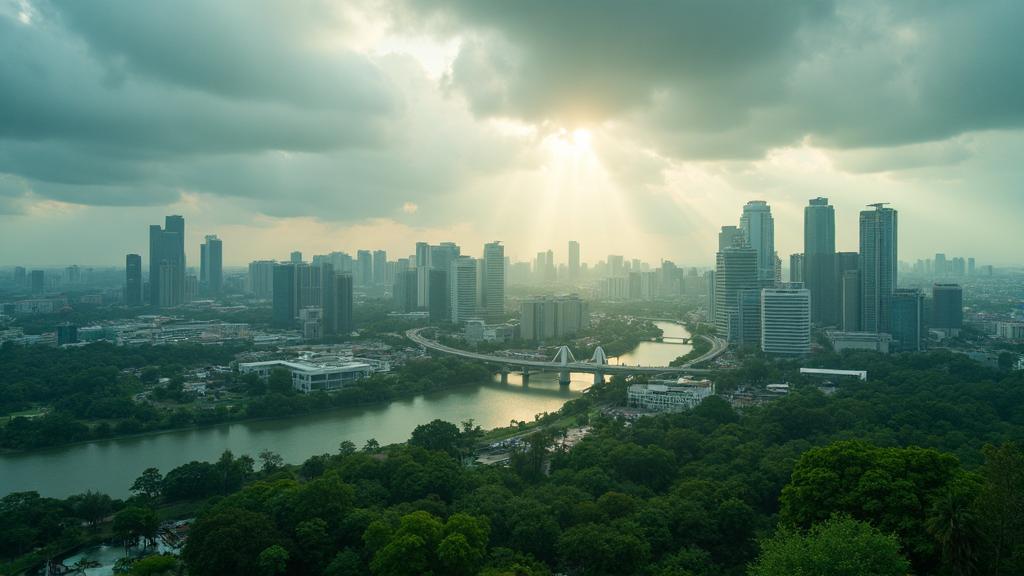
Singapore experiences two monsoon seasons each year — the Northeast Monsoon (December to March) and the Southwest Monsoon (June to September). While residents prepare for heavy downpours and flash floods, many overlook a critical consequence: a dramatic surge in pest activity. Understanding why pests increase during the rainy season is the first step toward protecting your home or business.
How Rain Creates Perfect Breeding Conditions
Singapore's tropical climate already provides year-round warmth and humidity — two factors that pests thrive in. When monsoon rains arrive, they add a third critical element: abundant water. This trifecta creates ideal conditions for rapid pest reproduction.
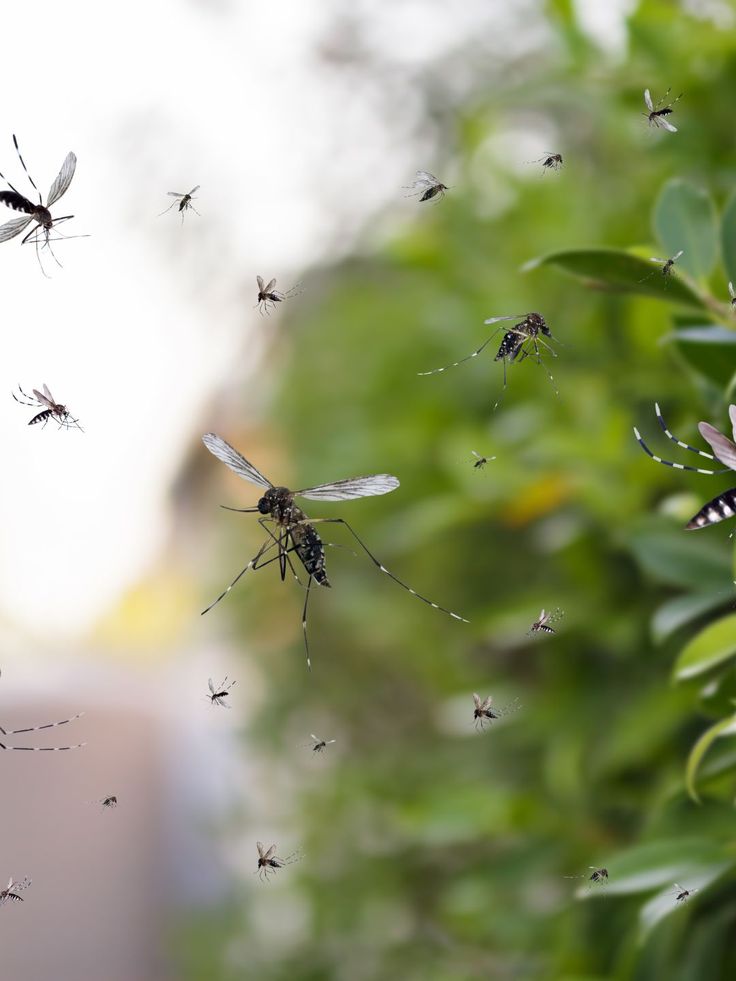
Stagnant water collects in flower pot saucers, clogged drains, discarded containers, and even in the grooves of tarpaulins. These seemingly insignificant water pools become breeding grounds for Aedes aegypti mosquitoes, which can lay eggs in water volumes as small as a bottle cap.
💡 Did You Know?
NEA data shows that dengue cases in Singapore often spike 2–3 weeks after prolonged rainy periods, as mosquito larvae mature into biting adults.
Mosquitoes: The Most Dangerous Rainy Season Pest
Mosquitoes are the primary pest concern during Singapore's wet season. The Aedes mosquito breeds exclusively in clean, stagnant water — and rain provides this in abundance. NEA steps up inspections and enforcement during peak dengue periods, with fines of up to $5,000 for first-time offenders found with mosquito breeding habitats.
Preventive measures include:
- Turning over all water-holding containers and pails
- Clearing roof gutters and drains of debris weekly
- Changing water in vases and pet bowls every other day
- Covering bamboo pole holders when not in use
- Engaging professional ULV fogging treatments for outdoor areas
Cockroaches Seek Shelter Indoors
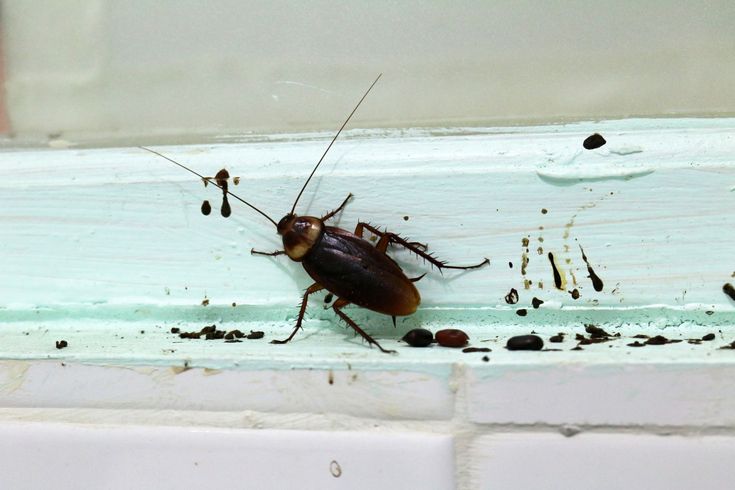
Heavy rainfall floods the outdoor habitats of cockroaches, particularly the American cockroach, which typically lives in drains and sewers. When their underground shelters flood, they migrate upward into buildings through pipe openings, drainage holes, and gaps in door seals.
Singapore's HDB flats, condominiums, and commercial buildings often see a noticeable increase in cockroach sightings during and after heavy rain events. Sealing pipe entry points and applying residual spraying around perimeter areas can significantly reduce indoor migration.
Rodents Move to Higher Ground
Flooding and waterlogged environments force Norway rats and roof rats to abandon their burrows and seek shelter in buildings. During the monsoon season, rodent control enquiries in Singapore typically increase by 20–30%.
Rats can enter through surprisingly small openings — gaps as narrow as 2 centimetres around pipes, cables, and damaged building exteriors. Once inside, they contaminate food stores, chew through wiring (creating fire hazards), and spread diseases such as leptospirosis.
💡 Did You Know?
Leptospirosis cases in Singapore often increase during monsoon periods, as floodwater spreads rat urine contamination across wider areas.
Ants and Termites Become More Active
Moisture-saturated soil and wood create ideal conditions for termite colonies to expand. Subterranean termites, in particular, build mud tubes more aggressively during wet periods to reach new food sources. Meanwhile, ant colonies flooded by rain relocate to drier indoor areas, invading kitchens, pantries, and food storage spaces.
What Businesses Should Do Before Monsoon Season
Commercial premises, especially F&B establishments, face heightened pest risks during the rainy season. Restaurant pest control in Singapore requires proactive measures:
- Schedule a pre-monsoon inspection — have a licensed pest control operator assess vulnerabilities
- Seal all entry points — repair damaged door seals, window screens, and pipe penetrations
- Improve drainage — ensure floor drains have proper traps and are cleaned regularly
- Increase monitoring — deploy additional monitoring traps in high-risk areas
- Review waste management — ensure bins are covered and waste is disposed of daily
Protecting Your Home During the Wet Season
Homeowners can take several practical steps to reduce pest intrusions during Singapore's rainy months:
- Install door sweeps on all external doors
- Apply silicone sealant around pipe entry points in kitchens and bathrooms
- Store food in airtight containers
- Fix any roof leaks or damp patches promptly
- Keep vegetation trimmed away from building walls
- Schedule professional preventive pest management treatments quarterly
Act Before the Rain Arrives
The most effective pest control strategy during the monsoon season is prevention. By addressing vulnerabilities before the heavy rains begin, you can avoid the surge in pest activity that catches so many Singapore property owners off guard. United Pest & Vector Management offers comprehensive pre-monsoon inspections and treatment programmes tailored to Singapore's unique climate challenges.
Book a Free Inspection Today — Call 92222278