Seasonal Pest Trends in Singapore: What to Expect Each Quarter
By United Pest Editorial Team, Pest Management Specialist
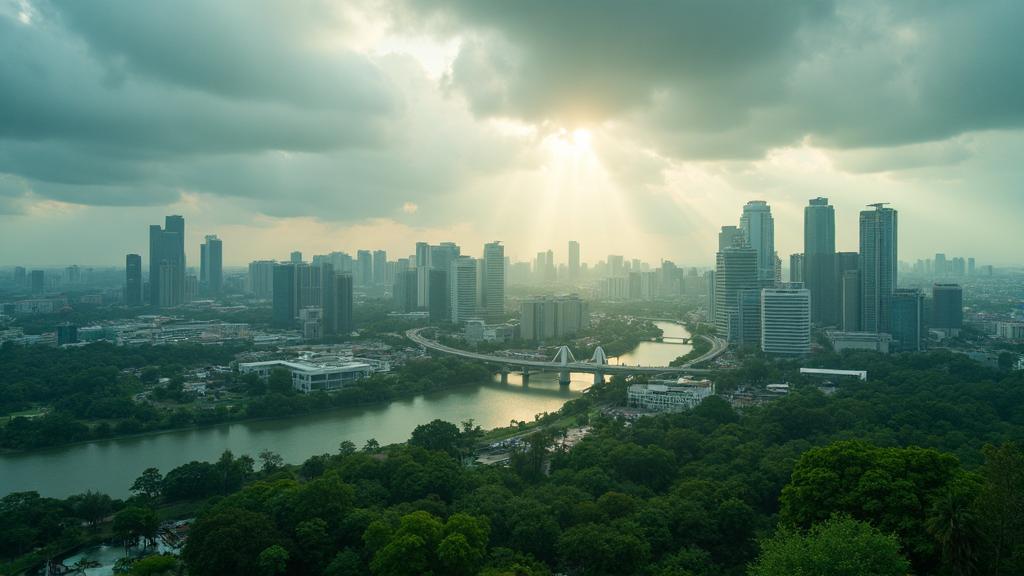
While Singapore doesn't experience dramatic seasonal changes, our tropical climate does have distinct wet and dry periods that significantly influence pest behaviour.
Q1: January to March (Northeast Monsoon)
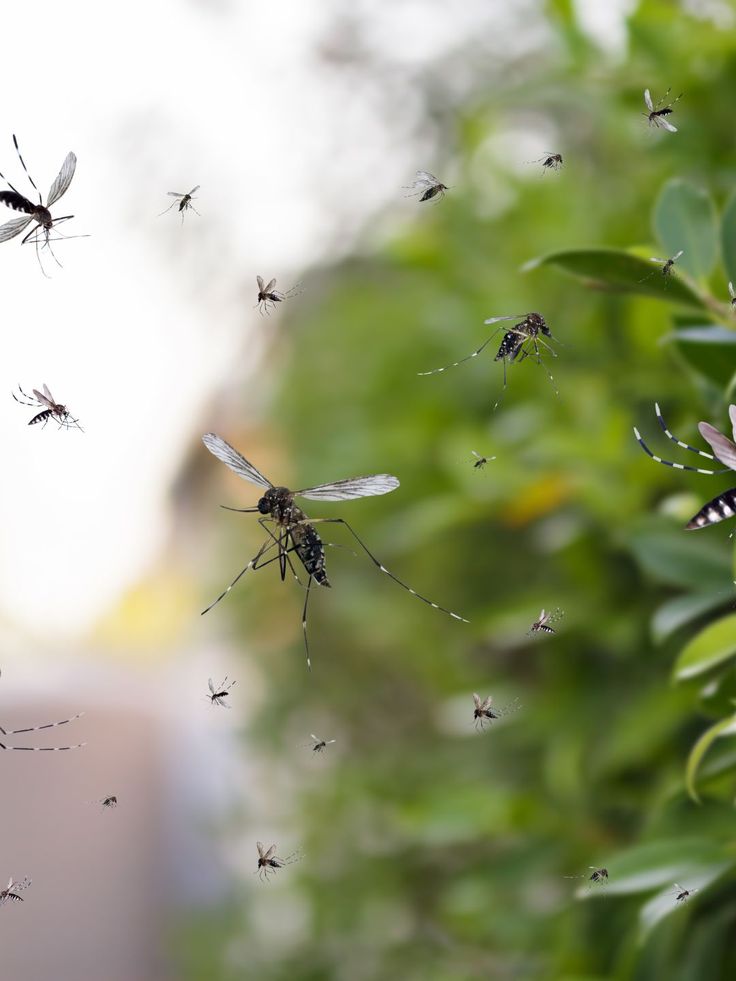
Heavy rainfall creates conditions favouring mosquitoes, cockroaches, ants, and booklice. Check and maintain all floor traps and drainage systems.
Q2: April to June (Inter-Monsoon)
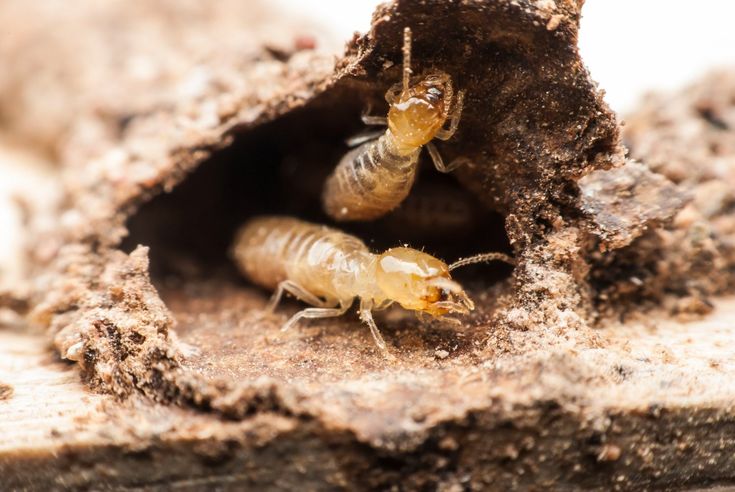
Termite swarming season peaks. Flies and mosquitoes breed faster in warmth. If you notice flying termites, contact a professional immediately.
Q3: July to September (Southwest Monsoon)
Peak activity for most pest species. Maximum cockroach activity, dengue cases peak, and bed bug introductions increase during travel season. This is the most critical quarter for pest prevention.
Q4: October to December (Pre-Monsoon)
Pre-monsoon showers drive ants indoors. Rodents seek shelter as conditions change. Festive food preparations attract increased pest activity.
Year-Round Vigilance
Singapore's consistently warm and humid climate means pests are active year-round. The most effective approach is a continuous IPM programme that adapts to seasonal changes.
United Pest Solutions designs customised programmes that account for seasonal variations. Contact us to discuss a year-round protection plan.