Why You See More Cockroaches at Night in Singapore
By United Pest Editorial Team, Pest Management Specialist
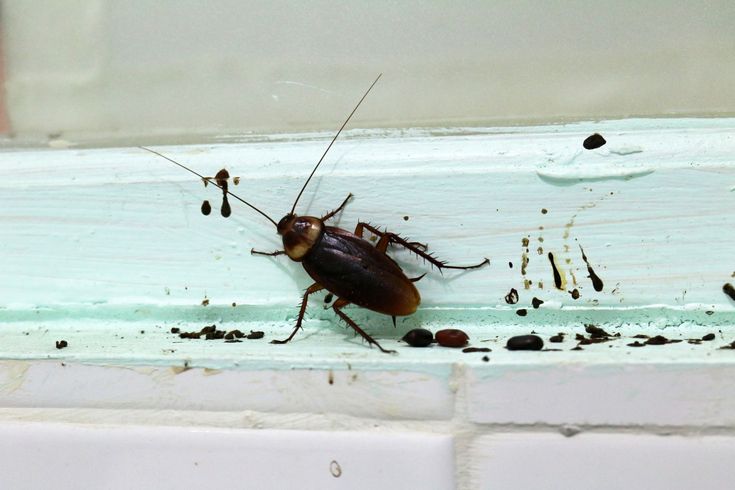
If you have ever switched on the kitchen light late at night only to see cockroaches scurrying for cover, you are not alone. This is an extremely common experience in Singapore, where the warm and humid tropical climate provides ideal conditions for cockroach populations to flourish. But have you ever wondered why cockroaches almost exclusively appear at night? Understanding their nocturnal behaviour is key to effective cockroach control in Singapore.
The Science Behind Nocturnal Cockroach Behaviour
Cockroaches are inherently nocturnal creatures. This behaviour has evolved over millions of years as a survival strategy. During the day, they remain hidden in dark, warm, and humid harbourage areas — behind refrigerators, inside wall cavities, under sinks, and within pipe ducts. As darkness falls and human activity ceases, they emerge to forage for food and water.
Research has shown that cockroaches have an internal biological clock (circadian rhythm) that governs their activity patterns. Their peak activity occurs during the first few hours after sunset and again just before dawn. This is why late-night kitchen visits often result in unwelcome cockroach encounters.
💡 Did You Know?
Cockroaches can detect light through their compound eyes, which contain over 2,000 individual lenses. Even the faintest illumination triggers their escape response, sending them scurrying back into hiding.
Common Cockroach Species Active at Night in Singapore
Singapore is home to several cockroach species, each with slightly different habits:
- German Cockroach — the most common indoor species, found predominantly in kitchens and bathrooms. Small (12–15 mm), light brown, and extremely prolific breeders.
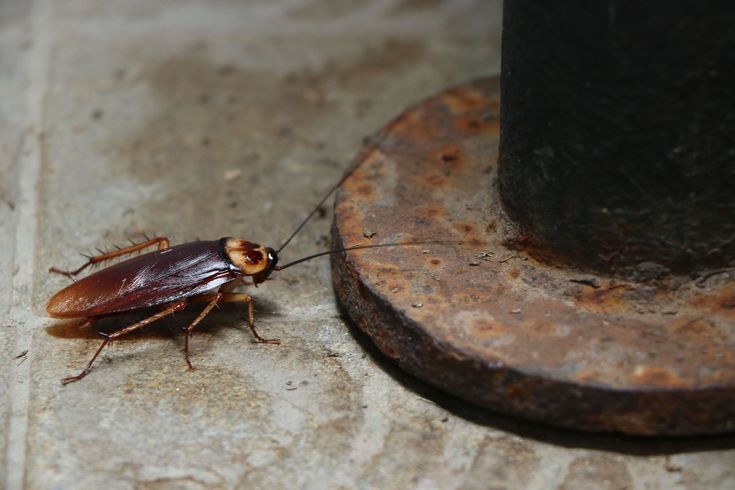
- American Cockroach — larger (35–40 mm), reddish-brown, often enters homes from drains and sewers. Commonly seen flying toward lights at night.
- Brown-Banded Cockroach — prefers drier, warmer locations. Often found in bedrooms and living areas rather than just kitchens.
- Oriental Cockroach — darker in colour, prefers damp environments like basements and drain areas.
Why Light Sends Cockroaches Running
The dramatic scattering behaviour you witness when switching on a light is known as "negative phototaxis" — an instinctive movement away from light. This survival response helps cockroaches avoid predators and human activity. In the wild, light exposure means vulnerability; in urban Singapore, it simply means they retreat deeper into cracks, crevices, and wall voids.
What Daytime Sightings Really Mean
While nighttime cockroach activity is normal behaviour, seeing cockroaches during the day is a serious red flag. Daytime sightings typically indicate one of two things:
- Severe overcrowding — the harbourage areas are so full that some cockroaches are being pushed out into the open, even during daylight hours
- Disturbance of hiding spots — renovation, cleaning, or pest treatment in adjacent units may temporarily displace cockroaches
If you are seeing cockroaches during the day in your Singapore home or business, the infestation is likely already significant, and immediate professional intervention is recommended.
💡 Did You Know?
For every cockroach you see, pest control experts estimate there may be 10 to 20 more hidden in walls, behind appliances, and inside crevices nearby.
Where Cockroaches Hide During the Day
Knowing where cockroaches rest during daylight hours helps you target treatments effectively:
- Behind and underneath kitchen appliances (especially refrigerators and ovens)
- Inside kitchen cabinets, particularly in hinges and corners
- Around pipe penetrations under sinks and behind toilets
- Inside electrical switch plates and power outlet boxes
- Behind wall-mounted picture frames and clocks
- Inside cardboard boxes and paper stacks in storerooms
- Within the motor housing of refrigerators and microwave ovens
Effective Control Strategies for Nocturnal Cockroaches
Because cockroaches are active at night when you are asleep, the most effective control methods work passively — continuing to eliminate pests even when you are not awake:
- Gel Baiting — professional-grade gel bait is applied in harbourage areas. Cockroaches consume the bait at night and carry it back to the colony, triggering a cascading kill effect that eliminates the entire population.
- Residual Spraying — a long-lasting insecticide is applied along cockroach travel routes. As they move across treated surfaces at night, they pick up the chemical and die within hours.
- Monitoring Traps — sticky traps placed in strategic locations capture cockroaches at night and help pest control professionals gauge the severity and location of infestations.
Prevention Tips for Singapore Homes
- Clean kitchen surfaces and wash dishes before going to bed — don't leave food residue overnight
- Store food in airtight containers, not in open bags or boxes
- Seal gaps around pipes, door frames, and windows with silicone sealant
- Fix dripping taps — cockroaches need water more urgently than food
- Dispose of rubbish in sealed bags every evening
- Reduce clutter, especially cardboard and paper storage
Don't Wait for the Problem to Escalate
Nighttime cockroach sightings are normal behaviour — but they are also a signal that cockroaches have established themselves in your property. The sooner you act, the easier and more affordable the treatment. United Pest & Vector Management provides comprehensive cockroach control programmes tailored to Singapore homes, HDB flats, and commercial kitchens.
Book a Free Inspection Today — Call 92222278