Top 5 Hidden Areas in Restaurants That Attract Pests
By United Pest Editorial Team, Pest Management Specialist
Running a successful F&B business in Singapore requires more than great food and service — it demands rigorous pest management. While most restaurant owners focus on keeping dining areas clean, the real pest problems often originate in areas that are easily overlooked during daily operations. Professional pest control experts know exactly where to look, and understanding these hidden hotspots can help you stay ahead of infestations and NEA inspections.
1. Behind and Underneath Kitchen Equipment
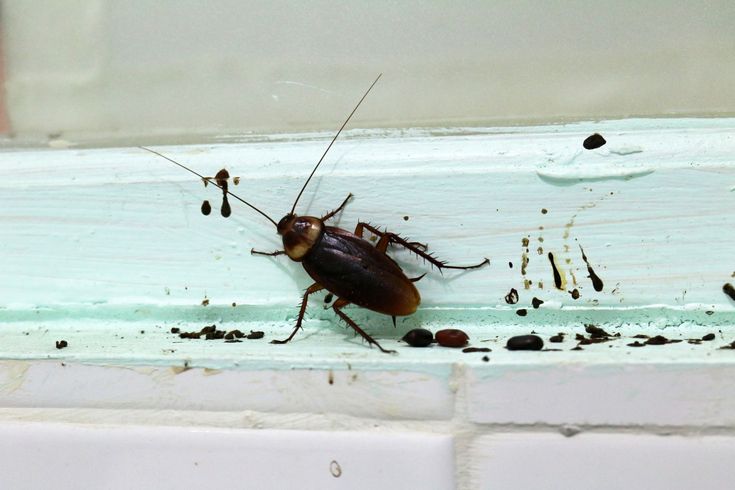
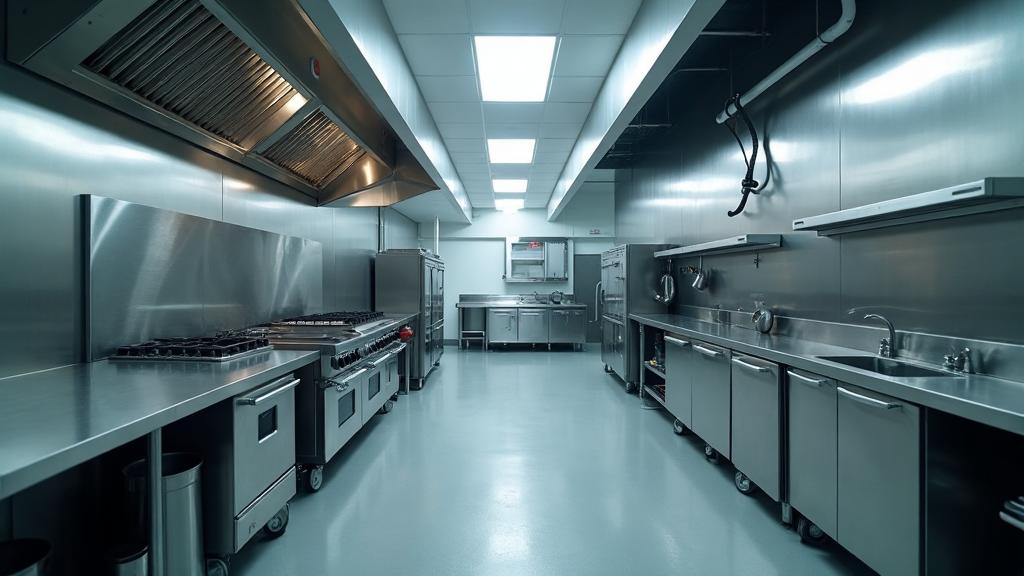
The spaces behind ovens, deep fryers, refrigerators, and dishwashers are prime real estate for cockroaches and rodents. Food particles, grease splatter, and moisture accumulate in these hard-to-reach areas, providing a constant food source. The warmth generated by equipment also makes these spots ideal harbourage areas.
What most operators miss:
- Grease buildup on the back panels of cooking equipment
- Food debris trapped in equipment wheels and castors
- Moisture from condensation lines creating damp environments
- Gaps between equipment and walls where pests hide undisturbed
Solution: Schedule monthly deep-cleaning sessions where all movable equipment is pulled away from walls. Combine this with professional gel baiting treatments in crevices and harbourage points.
💡 Did You Know?
A single cockroach dropping behind kitchen equipment can attract other cockroaches through pheromone trails, accelerating the growth of an infestation within days.
2. Floor Drains and Grease Traps
Floor drains in commercial kitchens are one of the most overlooked pest entry points. Damaged or poorly maintained drain covers allow cockroaches and drain flies to travel up from the sewer system directly into the kitchen. Grease traps that are not cleaned regularly become breeding sites for flies and attract rodents.
Warning signs to watch for:
- Small flies congregating near drains in the morning
- Foul odours from grease traps despite surface cleaning
- Cockroach sightings near drain openings at night
Solution: Install drain covers with fine mesh screens, clean grease traps weekly, and apply residual spraying around drain perimeters to create a chemical barrier against crawling pests.
3. Dry Store and Ingredient Storage Rooms
Storage rooms where dry goods — flour, rice, spices, and packaging materials — are kept are magnets for rodents, cockroaches, and stored-product insects. Cardboard boxes provide both shelter and a food source for pests. Poorly sealed containers allow ants and cockroaches to contaminate ingredients.
Common mistakes in storage rooms:
- Storing goods directly on the floor instead of raised shelving
- Keeping cardboard packaging inside the store room
- Overstocking, which creates hidden areas behind stock piles
- Poor lighting that masks pest evidence during quick checks
💡 Did You Know?
NEA inspectors specifically check whether food items are stored at least 15 cm above the floor and 30 cm away from walls to facilitate cleaning and pest inspection.
4. Ceiling Voids and False Ceiling Spaces
The space above false ceilings is a hidden highway for rodents. Roof rats frequently travel through ceiling voids, using cable trays and pipe runs as pathways between different sections of a building. In restaurant settings, ceiling voids above kitchens are particularly attractive because of the rising heat and food odours.
Signs of pest activity in ceiling voids include:
- Scratching or scurrying sounds above ceiling panels, particularly at night
- Droppings found on top of ceiling tiles when panels are lifted
- Gnaw marks on electrical cables or pipe insulation
- Staining on ceiling tiles from rodent urine
Solution: Install monitoring traps in ceiling voids and seal any openings where pipes or cables penetrate ceiling panels. Regular inspections of these spaces should be part of your pest management programme.
5. Waste Disposal and Bin Storage Areas
The bin centre or waste storage area of any restaurant is arguably the highest-risk zone for pest activity. Food waste, organic residue, and the moisture from waste decomposition create an irresistible environment for cockroaches, flies, and rodents. Many Singapore restaurants share communal bin areas, which compounds the problem.
Best practices for waste management:
- Use bins with tight-fitting, self-closing lids
- Clean and disinfect bins and surrounding areas daily
- Ensure waste is removed from the premises at least once daily
- Keep the bin area well-lit and free of clutter
- Schedule regular ULV misting treatments in and around waste areas
Why Regular Professional Inspections Matter
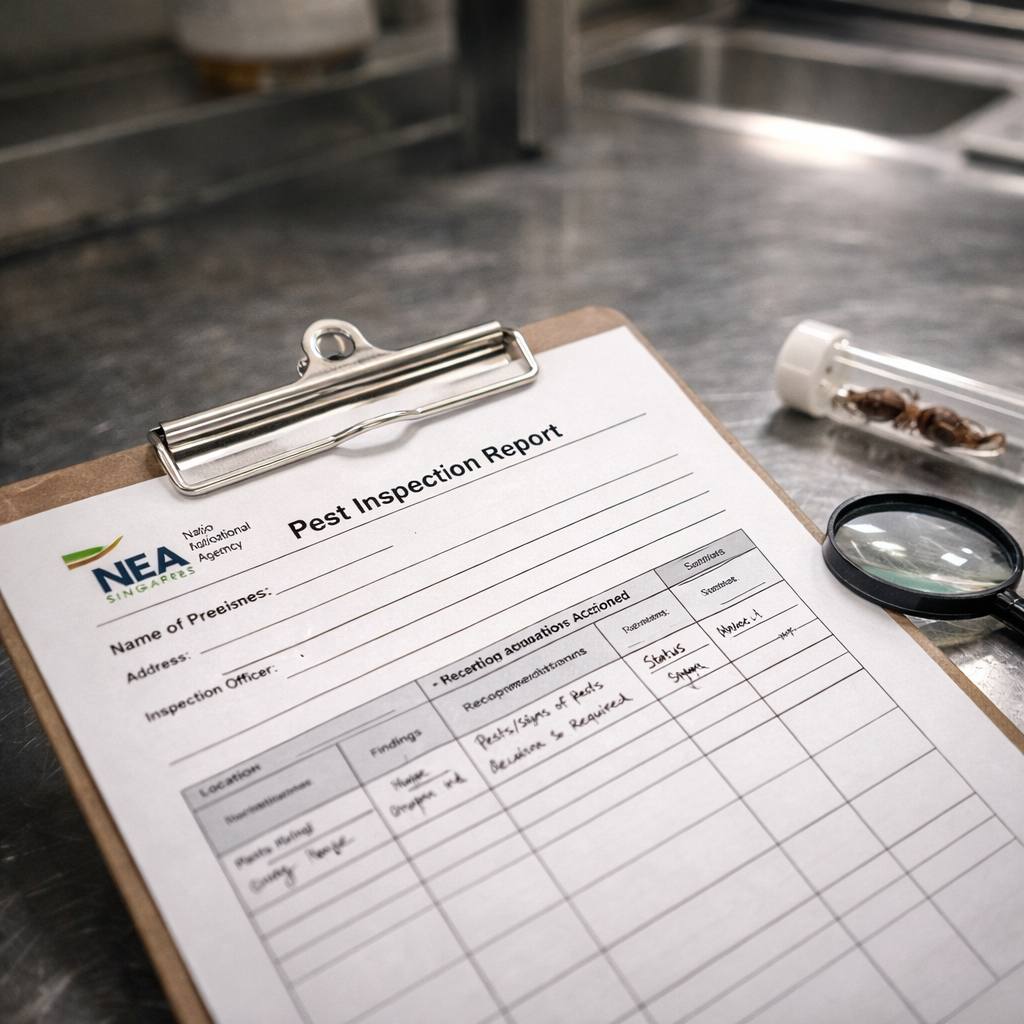
These hidden areas are precisely what professional pest control technicians are trained to inspect. At United Pest & Vector Management, our restaurant pest control Singapore programmes include systematic inspections of all five hotspots, comprehensive treatment protocols, and detailed documentation to support your NEA compliance requirements. With over 12 years of experience serving Singapore's F&B industry, we understand the unique challenges that commercial kitchens face.
Book a Free Inspection Today — Call 92222278