Signs Your Commercial Property Has a Hidden Rodent Problem
By United Pest Editorial Team, Pest Management Specialist
Rodent infestations in commercial properties are rarely obvious until they become severe. Unlike residential settings where a single rat sighting prompts immediate action, commercial buildings — with their complex layouts, multiple tenants, and extensive infrastructure — can harbour hidden rodent populations for weeks or months before detection. For business owners in Singapore, understanding the subtle signs of a rodent problem is critical for protecting property, health, and compliance with NEA requirements.
Why Rodent Problems Go Undetected in Commercial Properties
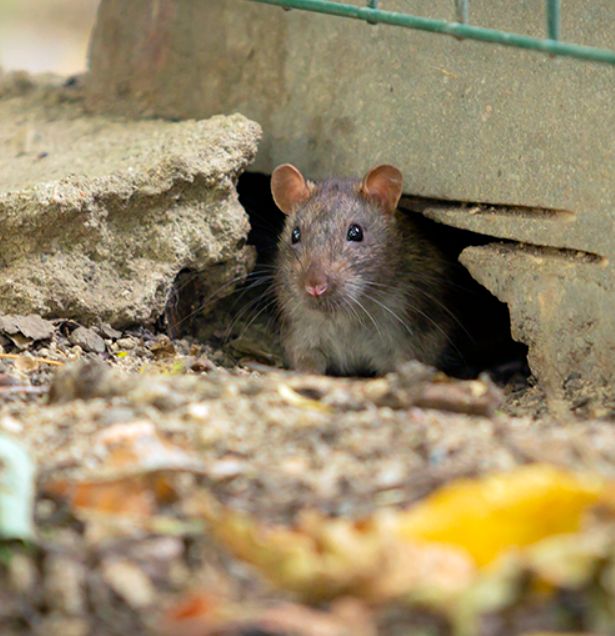
Commercial buildings present ideal conditions for rodents to thrive undetected. Large floor areas, false ceilings, service risers, loading docks, and extensive pipe networks provide abundant hiding spots and travel routes. Norway rats are primarily nocturnal, meaning they are most active when premises are unoccupied. Roof rats nest in elevated spaces that are rarely inspected.
💡 Did You Know?
For every rat you see in a commercial building, there may be 10 or more hidden in the structure. Rodents are extremely cautious animals that avoid open spaces and human contact.
8 Warning Signs of a Hidden Rodent Problem
1. Droppings in Concealed Areas
Rodent droppings are the most reliable indicator of activity. Norway rat droppings are capsule-shaped and approximately 12–18mm long. Check behind equipment, inside storage cupboards, along wall edges, and near food sources. Fresh droppings are dark and moist; older droppings become grey and crumbly.
2. Gnaw Marks on Materials
Rodents must gnaw constantly to keep their ever-growing incisors in check. Look for gnaw marks on packaging, wooden pallets, door frames, electrical cables, and even metal pipes. Fresh gnaw marks are lighter in colour; older marks darken over time. Gnawed wiring is a serious fire hazard in commercial properties.
3. Grease Marks Along Walls
Rats follow the same routes repeatedly, leaving dark, greasy smear marks along walls, baseboards, and pipe runs. These rub marks are caused by oils and dirt in the rodent's fur. Well-established grease trails indicate a long-standing infestation.
4. Unusual Sounds
Scratching, scurrying, and squeaking sounds — particularly at night or in quiet areas — often indicate rodent activity within walls, ceilings, or floor voids. Staff working late shifts or security personnel may notice these sounds first.
5. Nesting Materials
Rodents build nests using shredded paper, fabric, insulation, and other soft materials. Discovering these materials in unusual places — behind panels, inside storage boxes, or within false ceiling spaces — signals active nesting.
6. Damaged Stock or Packaging
Unexplained damage to stored goods, particularly food products, is a strong indicator. Rodents will gnaw through cardboard, plastic, and even thin metal to access food. In warehouses and storage facilities, regular stock inspections are essential.
7. Unpleasant Odours
A persistent musky or ammonia-like smell, especially in enclosed areas, suggests active rodent presence. In severe cases, the odour of decomposing rodents within wall cavities or ceiling voids may be noticeable.
8. Pet or Staff Behaviour Changes
If your commercial property uses guard dogs or if staff report unusual smells or sounds in specific areas, these behavioural observations should be investigated promptly.
💡 Did You Know?
A single rat can contaminate 10 times more food than it actually eats through droppings, urine, and fur. For commercial food operations, this translates to significant financial losses and health risks.
High-Risk Areas in Commercial Properties
Professional rodent control inspections focus on these high-risk zones:
- Loading docks and delivery areas — open doors provide easy access
- Bin centres and waste storage areas — food waste attracts rodents
- Kitchen and food preparation areas — warmth, moisture, and food sources
- Service risers and pipe ducts — vertical travel routes between floors
- False ceiling spaces — undisturbed nesting areas
- Car parks and basement levels — ground-level entry from drains and sewers
What to Do If You Suspect a Rodent Problem
If you identify any of these warning signs, take immediate action:
- Document the evidence — photograph droppings, gnaw marks, and damage
- Do not attempt to clean up droppings without proper protective equipment
- Contact a licensed commercial pest control provider for a professional inspection
- Implement temporary measures: secure food storage, seal obvious gaps, and improve waste management
- Request installation of monitoring traps for ongoing surveillance
Professional Rodent Control Solutions
At United Pest & Vector Management, we provide comprehensive commercial pest control solutions for Singapore businesses. Our rodent management programme includes thorough inspections, strategic baiting, exclusion works, and ongoing monitoring with detailed reports for NEA compliance. We serve offices, warehouses, restaurants, hotels, and industrial facilities across Singapore.
Book a Free Inspection Today — Call 92222278