5 Small Openings in Your Property That Allow Rats to Enter
By United Pest Editorial Team, Pest Management Specialist
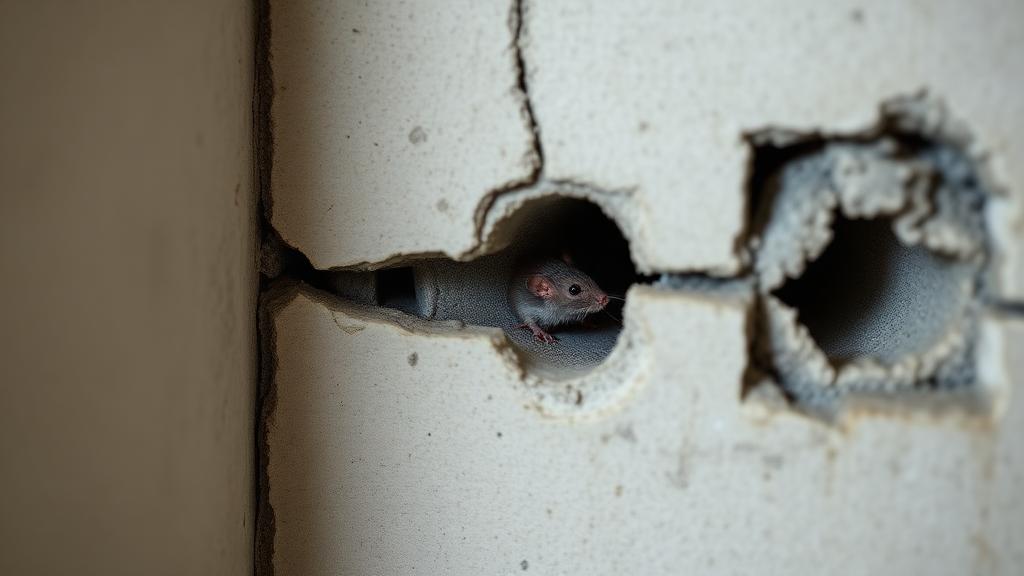
One of the most common questions Singapore property owners ask our pest control technicians is: "How did the rat get in?" The answer is almost always the same — through a small opening that was overlooked. Rats possess a remarkable ability to compress their bodies and squeeze through gaps that appear impossibly small. Understanding where these vulnerable openings are is the first step toward effective rodent control in Singapore.
How Small Can a Rat Entry Point Be?
A fully grown Norway rat can fit through an opening just 2 centimetres wide — roughly the diameter of a 50-cent coin. Roof rats, which are slightly more slender, can manage even tighter spaces. A house mouse needs a gap of only 6 millimetres. These facts make comprehensive proofing essential for any property in Singapore.
💡 Did You Know?
Rats' skulls are not rigidly fused like human skulls. Their flexible skeletal structure allows them to compress their bodies to fit through gaps much smaller than their apparent body size.
Opening 1: Gaps Around Pipe Penetrations
Every building has numerous points where pipes — water supply, drainage, gas, and electrical conduits — pass through walls and floors. The spaces around these pipe penetrations are among the most common rat entry points in Singapore properties. In HDB flats, the kitchen and bathroom riser areas are particularly vulnerable.
How to seal it:
- Pack steel wool tightly around the pipe where it meets the wall or floor
- Apply quick-setting cement or fire-rated sealant over the steel wool
- For larger gaps, install a galvanised metal collar or escutcheon plate around the pipe
- Inspect quarterly, as building movement and vibration can reopen sealed gaps
Opening 2: Door Gaps and Damaged Thresholds
The gap between the bottom of a door and the floor is one of the easiest entry points for rats to exploit. In commercial premises, loading dock doors, rear service entrances, and fire escape doors frequently have gaps exceeding 2 centimetres. In residential properties, main doors and service yard doors are common culprits.
How to seal it:
- Install brush-strip or rubber door sweeps on all external doors
- Replace damaged or worn threshold plates
- Ensure fire escape doors close fully and latch properly
- For commercial loading docks, install rapid-action roller doors or strip curtains
Opening 3: Air-Conditioning and Ventilation Openings
Wall openings for split-system air-conditioning units, kitchen exhaust fans, and bathroom ventilation are frequently sealed inadequately — or not at all. These openings provide direct access from outside the building into the interior living or working space.
How to seal it:
- Apply weatherproof sealant around aircon pipe openings on both interior and exterior walls
- Install fine metal mesh over ventilation openings (mesh size no larger than 6 mm)
- Check that exhaust fan covers are intact and close properly when not in use
💡 Did You Know?
Rats can gnaw through most building materials including wood, plastic, rubber, and even soft metals like aluminium. Only hardened steel, concrete, and glass reliably resist rat gnawing.
Opening 4: Damaged Drain Covers and Floor Traps
Floor drains with missing, broken, or ill-fitting covers are highways for rats travelling through the sewer system. In Singapore's older commercial kitchens and HDB wet areas, deteriorated floor trap gratings are a frequently overlooked vulnerability. Rats can swim through water traps and emerge directly into your property.
How to seal it:
- Replace damaged or corroded drain covers with heavy-duty stainless steel gratings
- Ensure floor traps maintain adequate water levels to create a barrier
- Install anti-rat flaps or one-way valves on vulnerable drain outlets
- Clean drains regularly to prevent grease buildup that can compromise water seals
Opening 5: Roof and Eave Gaps
For landed properties, shophouses, and low-rise commercial buildings in Singapore, the junction between the roof structure and the building walls often has gaps. Roof tiles that have shifted, damaged fascia boards, and gaps where guttering meets the building all provide entry points for roof rats, which are excellent climbers.
How to seal it:
- Inspect the roofline from ground level for visible gaps or displaced tiles
- Seal gaps between fascia boards and walls with metal flashing
- Install wire mesh over open eave vents
- Trim tree branches that overhang or touch the roof, as rats use these as bridges
A Comprehensive Approach to Rat-Proofing
Sealing individual openings is important, but truly effective rodent control in Singapore requires a comprehensive approach. At United Pest & Vector Management, our technicians conduct systematic proofing assessments that identify every potential entry point. We combine physical proofing with strategic placement of monitoring traps and bait stations to create a complete rodent management programme.
Book a Free Inspection Today — Call 92222278