
House Mouse
Mus musculus
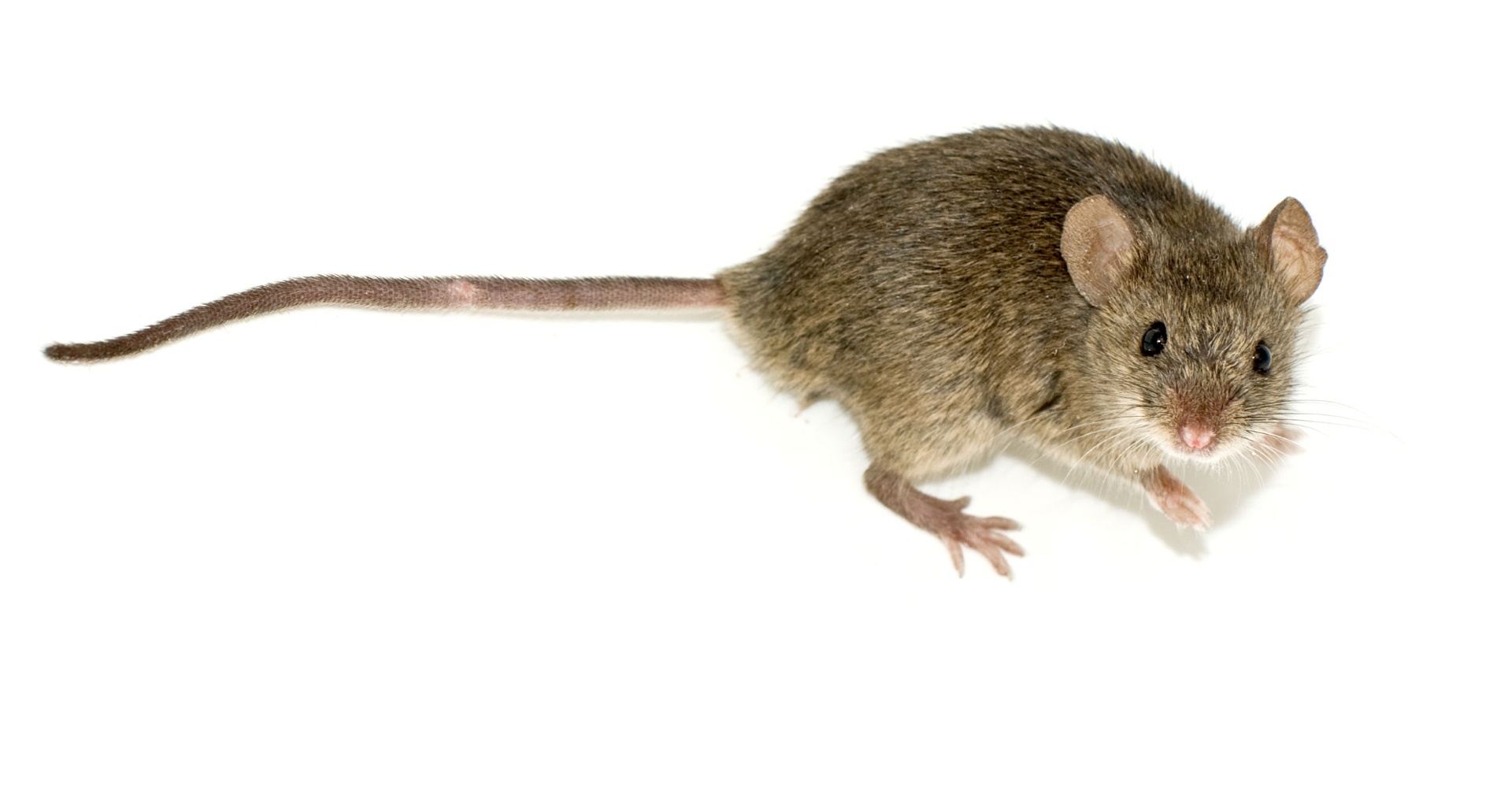
The smallest common rodent pest in Singapore, the house mouse is highly adaptable and can establish infestations in even well-maintained buildings. Capable of squeezing through gaps as small as 6mm, they breed rapidly and contaminate far more food than they consume.
Risk Level
High
Active Period
Primarily nocturnal, but may forage during day if established
Common Locations
Storage areas, Behind equipment
Size
15–20cm including tail, body weight 15–25g
How to Identify House Mouse
Physical Appearance
Small, slender body with dusty grey fur and lighter underside. Large ears relative to head, small dark eyes, and a semi-naked tail roughly equal to body length. Much smaller than rats.
Size
15–20cm including tail, body weight 15–25g
Common Locations
Storage areas, Behind equipment, Wall voids, Food storage
Habitat & Behaviour
Activity & Breeding
Highly curious and exploratory, unlike the neophobic Norway rat. Can survive on very small amounts of food and water. Excellent climber and can jump up to 30cm. Breeds rapidly and matures in just 6 weeks.
Active Period
Primarily nocturnal, but may forage during day if established
Signs of House Mouse Infestation
Health & Property Risks
Prevention Tips
Frequently Asked Questions
Other Rodent Species
Need Help With House Mouse?
Our experienced technicians can identify and eliminate house mouse infestations. Contact us for a free inspection and tailored treatment plan.