How Poor Waste Management Attracts Pests in Commercial Buildings
By United Pest Editorial Team, Pest Management Specialist
In Singapore's commercial property landscape, waste management is one of the most overlooked factors contributing to pest infestations. From office towers and shopping malls to mixed-use developments and industrial buildings, poor waste handling creates a reliable food source that attracts and sustains pest populations. For building managers, facility operators, and business owners, understanding this connection is essential for effective commercial pest control.
The Waste-Pest Connection
Pests require three things to establish populations: food, water, and shelter. Poorly managed waste provides all three. In Singapore's tropical climate, organic waste decomposes rapidly, producing the odours and conditions that attract cockroaches, rodents, flies, and ants within hours.
💡 Did You Know?
A single overflowing commercial bin can attract rodents from up to 50 metres away. Rats have an exceptional sense of smell and can detect food waste through sealed containers if residue remains on the exterior.
Common Waste Management Failures in Commercial Buildings
1. Overflowing and Uncovered Bins
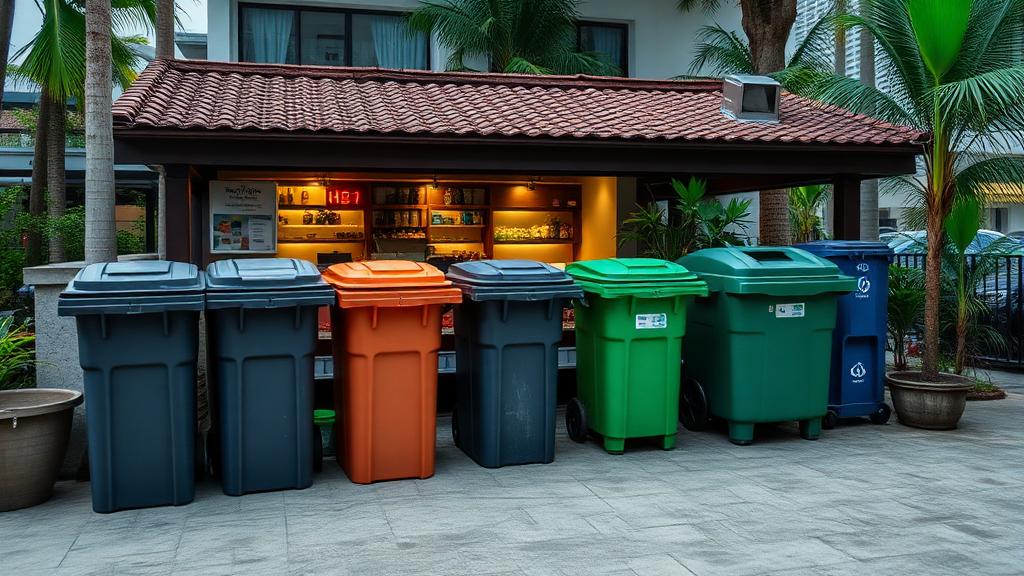
Bins that overflow between collections or lack proper lids provide easy access for pests. Open-top bins are particularly problematic, as they allow flies to land and lay eggs directly on waste, while rats and cockroaches can climb in freely.
2. Infrequent Waste Collection
Waste that sits overnight or over weekends decomposes rapidly in Singapore's heat and humidity. Even a single day of delayed collection can create sufficient conditions for fly breeding and rodent attraction.
3. Dirty Bin Areas
Waste residue, leachate, and food scraps around bin storage areas create persistent pest attractants even when bins are emptied. Without regular cleaning, these areas become permanent feeding stations for pests.
4. Improperly Sealed Waste Bags
Torn or untied waste bags leak food residue and liquids, contaminating bin interiors and surrounding areas. Cockroaches and ants are particularly adept at exploiting small openings in waste bags.
5. Neglected Waste Chutes
In high-rise commercial buildings, waste chutes accumulate organic residue that provides ideal harbourage for cockroaches and breeding sites for flies. Without regular cleaning, chute interiors become a continuous pest highway between floors.
6. Poor Separation of Waste Types
Mixing wet food waste with dry recyclables increases contamination and pest attraction. Food-contaminated recyclables sitting in storage become secondary food sources for pests.
Which Pests Are Attracted by Poor Waste Management?
- Rodents: Norway rats and roof rats are attracted by food waste odours and use bin areas as feeding stations, often establishing burrows nearby
- Cockroaches: German and American cockroaches thrive in warm, moist conditions around waste storage, feeding on decomposing food
- Flies: House flies, fruit flies, and flesh flies breed directly in exposed waste — a single house fly can lay 500 eggs in decomposing matter
- Ants: Sugar ants and pharaoh ants form trails to waste containing sugary or oily food residues
- Birds: Pigeons and mynas congregate around exposed waste, creating additional hygiene issues through droppings
💡 Did You Know?
The World Health Organisation estimates that flies can carry over 100 different pathogens on their bodies. In commercial buildings with poor waste management, fly populations can transfer bacteria from waste areas to food preparation zones and office spaces.
Best Practices for Pest-Proof Waste Management
Bin Management
- Use sealed bins with self-closing, tight-fitting lids
- Empty bins before they reach 75% capacity
- Clean bin interiors and exteriors weekly with disinfectant
- Place bins on hard, cleanable surfaces — not bare earth
Collection and Storage
- Schedule daily waste collection, including weekends and public holidays
- Maintain waste storage areas with proper drainage, ventilation, and lighting
- Ensure waste storage rooms have sealed doors and no gaps for pest entry
- Wash down waste storage areas daily using pressure washers where possible
Waste Chute Maintenance
- Schedule professional chute cleaning at least quarterly
- Ensure chute doors close securely and seal properly
- Install insect screens on chute ventilation openings
Integrated Pest and Waste Management
Effective commercial pest control in Singapore requires integrating pest management with waste management practices. United Pest & Vector Management works with building managers to assess waste-related pest risks and implement comprehensive solutions including monitoring traps, targeted treatments, and ongoing consultation on waste handling improvements.
Book a Free Inspection Today — Call 92222278