Rat vs Mouse: Key Differences and Why It Matters
By United Pest Editorial Team, Pest Management Specialist
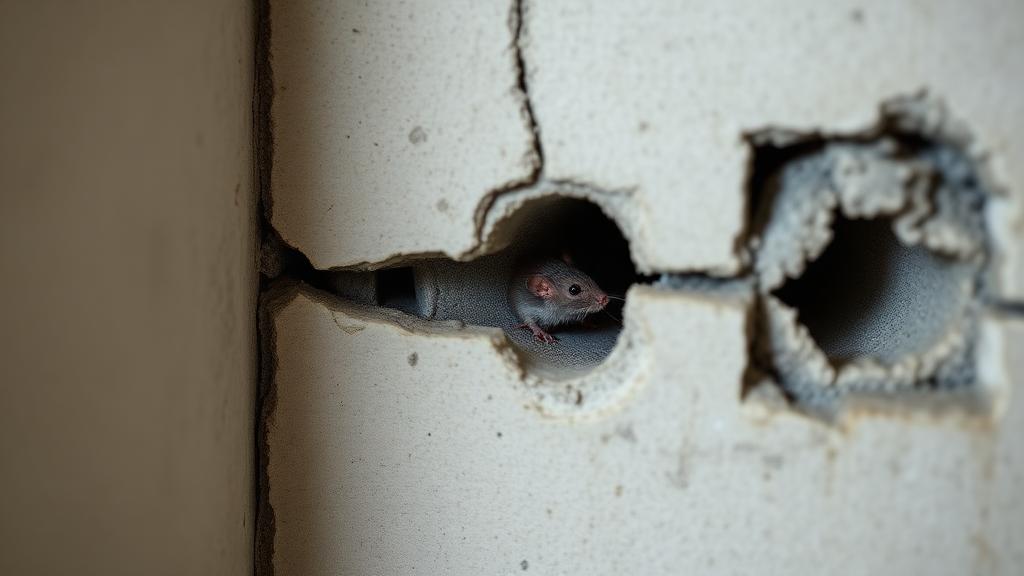
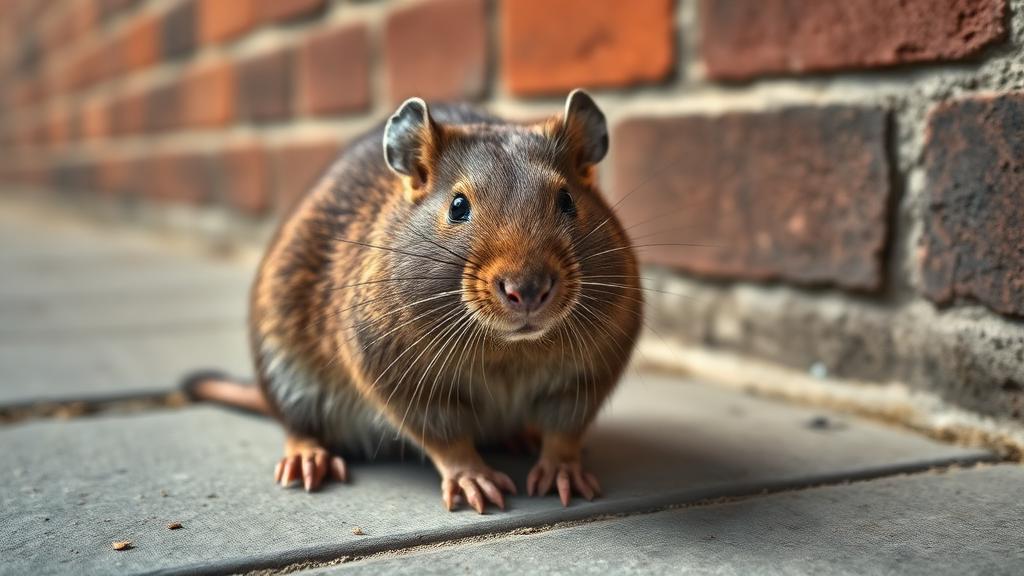
Rats are far larger, with a 20–25 cm body, small ears, a thick scaly tail and blunt snout. House mice are 7–10 cm with oversized ears, a thin hairy tail and pointed snout. Rat droppings measure 12–18 mm against 3–6 mm for mice. Rats need a 20 mm gap to enter; mice need only 6 mm.
Three rodents dominate Singapore premises: the Norway rat in drains and bin centres, the roof rat in false ceilings and cable trays, and the house mouse in dry stores and upper floors. Telling rat from mouse determines the trap size, the bait station spacing, the proofing gap you must close, and how fast you need to act.
| Feature | Rat | House mouse |
|---|---|---|
| Body length | 20–25 cm excluding tail | 7–10 cm excluding tail |
| Weight | 200–500 g | 12–30 g |
| Ears | Small relative to head, often furred | Large and prominent relative to head |
| Snout | Blunt and heavy | Pointed and delicate |
| Tail | Thick, scaly, shorter than or equal to body | Thin, lightly haired, longer than body |
| Droppings | 12–18 mm, capsule shaped, blunt ends | 3–6 mm, thin, pointed at both ends |
| Droppings per day | 30–50 | 50–80 |
| Minimum entry gap | About 20 mm | About 6–7 mm |
| Behaviour to new objects | Neophobic — avoids traps for days | Curious — investigates traps quickly |
| Breeding rate | 3–6 litters a year, 6–12 young | 5–10 litters a year, 5–8 young |
| Typical locations | Drains, bin centres, false ceilings, grease traps | Dry stores, cabinets, wall voids, upper floors |
Do not mistake a juvenile rat for a mouse
This is the single most consequential error in rodent identification. A juvenile rat and an adult mouse can be the same overall length, but the proportions differ sharply: the young rat has an oversized head, heavy feet and a thick tail base, while the mouse has a small head, slim feet and a wire-thin tail. It matters because a juvenile rat proves breeding is happening inside the premises, which converts a nuisance call into an urgent one.
Reading the evidence when you never see the animal
- Droppings. Measure them. Anything over 10 mm is a rat. Fresh droppings are dark and pliable; old ones are grey and crumble.
- Rub marks. Rats leave greasy dark smears along fixed travel routes because they hug walls. Mice leave much fainter marks.
- Gnaw marks. Rat incisor marks are 3–4 mm wide and appear on hard materials including plastic pipe and cable; mouse marks are around 1 mm and appear on packaging and food bags.
- Sound. Heavy scurrying and thumps overhead at night point to roof rats. Light, fast scratching inside wall voids points to mice.
- Smell. A strong ammonia-musk smell in an enclosed store usually means an established rat harbourage.
If you have found droppings but nothing else, the droppings comparison guide rules out cockroaches first, and the pest identifier works through the same questions our technicians ask.
Why the treatment differs
Rats
Neophobia means bait stations must be placed and left untouched for several days before rats will accept them. Control focuses on external pressure — drains, bin centres, grease traps and service risers — with tamper-resistant stations on a numbered map, plus proofing of every gap above 20 mm. See rodent control and Norway rat.
Mice
Mice explore new objects within hours, so multi-catch and snap traps work quickly. The difficulty is reproductive speed and the tiny gaps they use: a mouse programme lives or dies on proofing door sweeps, pipe collars and cable penetrations down to 6 mm. See house mouse.
Compliance angle for businesses
For SFA-licensed food premises and HACCP-audited facilities, rodent evidence of any species triggers corrective action and documentation. Auditors expect a device map, a trend chart and dated rectification records — not just a clean floor on the day. Our commercial programmes for restaurants and F&B and food manufacturing are built around that paperwork.
Next step
Photograph the droppings next to a coin for scale and send them to us on WhatsApp, or call 9222 2278 for a free inspection anywhere in Singapore.