Cockroach Droppings vs Mouse Droppings: Which Do You Have?
By United Pest Editorial Team, Pest Management Specialist
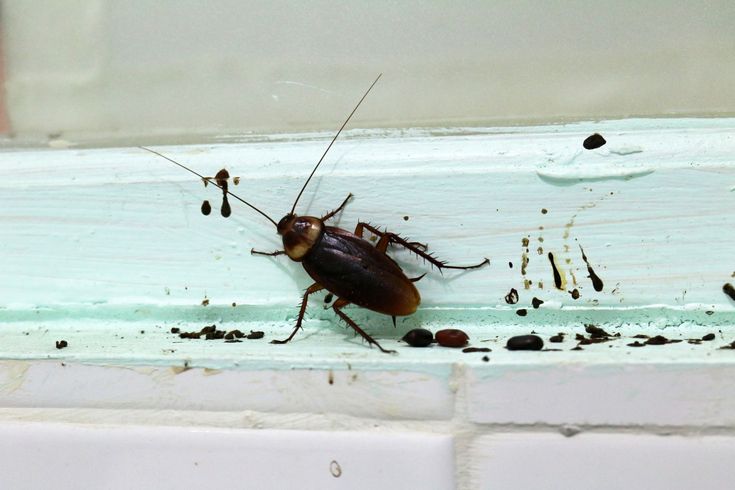
Cockroach droppings are 1–2 mm, blunt-ended and ridged, resembling coarse ground pepper or coffee grounds. Mouse droppings are 3–6 mm, smooth and pointed at both ends. Cockroach specks collect inside cabinets and behind appliances; mouse droppings sit along wall runs and inside dry stores.
Droppings are usually the first hard evidence a Singapore household or kitchen manager finds, and they are far more informative than a single sighting. They tell you the species, roughly how large the population is, where the harbourage sits, and whether the problem is active right now.
| Feature | Cockroach droppings | Mouse droppings |
|---|---|---|
| Size | 0.5–2 mm — like coarse ground pepper | 3–6 mm — like a grain of dark rice |
| Shape | Cylindrical with blunt ends, visible ridges along the sides | Smooth spindle, tapered to a point at both ends |
| Colour | Dark brown to black; smears when damp | Dark brown when fresh, greying as it dries |
| Texture | Gritty; larger species leave ridged pellets, small species leave specks | Firm and smooth, crumbles when old |
| Typical location | Inside cabinet corners, behind fridge motors, under sinks, on hinge lines | Along wall runs, in dry stores, inside drawers, behind appliances |
| Surface | Frequently on vertical surfaces as dark staining or specks | Almost always on horizontal surfaces |
| Quantity | Dozens to hundreds concentrated near harbourage | 50–80 per mouse per day, widely scattered |
| Accompanying signs | Egg cases (oothecae), shed skins, oily musty smell | Gnaw marks, shredded nesting material, ammonia smell |
| Health risk | Salmonella, allergens that trigger asthma | Leptospirosis, Salmonella, contamination of stock |
Reading cockroach droppings
German cockroaches — the dominant kitchen species in Singapore — leave dark specks that look like someone flicked pepper along cabinet edges, hinge lines and the underside of shelving. Larger American cockroaches leave ridged pellets a couple of millimetres long, similar in size to mouse droppings but blunt-ended and clearly grooved rather than pointed and smooth.
The location tells you where to treat: droppings concentrate within a metre or two of harbourage, which is why we look behind fridge and freezer motor housings, inside kettle bases, under sink units and in the void behind kickboards. Full detail on cockroach control, or German cockroach for the species behind most F&B demerits.
Reading mouse droppings
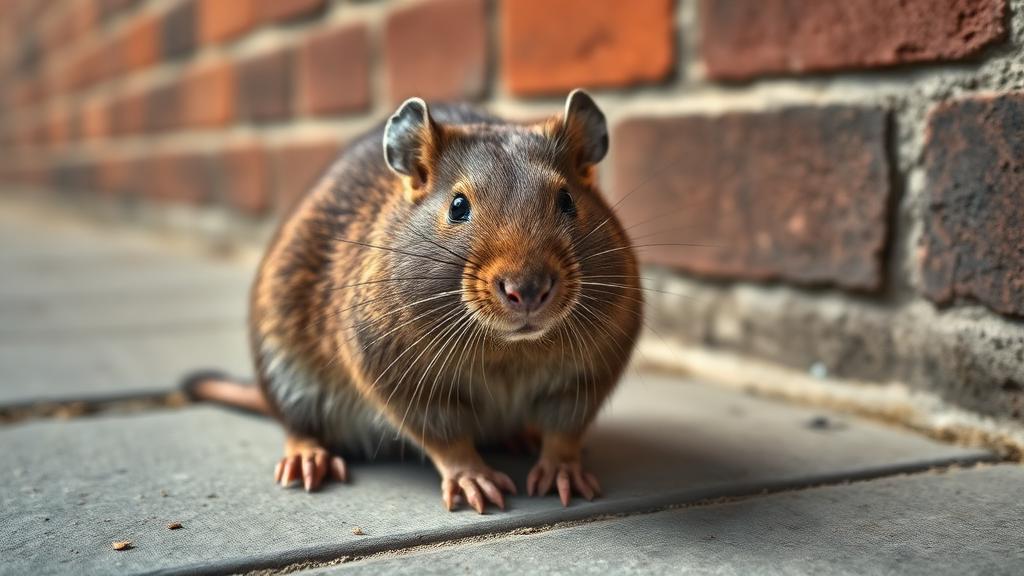
House mice deposit 50–80 droppings a day and do not confine them to a single spot, so scattered pointed pellets across a shelf or drawer are typical. Trails along skirting and wall runs mark habitual travel routes and are the correct place to put traps. If the droppings measure over 10 mm you are dealing with rats rather than mice, and the strategy changes — see rat vs mouse and rodent control.
Is it still active? The 48-hour test
- Photograph the droppings with a coin beside them for scale.
- Clean the area completely with disinfectant.
- Leave the area undisturbed for 48 hours.
- Recheck. New droppings mean an active population; nothing new suggests historical activity.
Fresh droppings are dark and slightly pliable. Grey, dusty droppings that crumble under light pressure are weeks old. For SFA-licensed premises, either finding requires documented corrective action — see F&B pest control.
Cleaning up safely
- Wear disposable gloves and a mask.
- Mist the area with disinfectant first so nothing becomes airborne — cockroach allergen and rodent particulate are both respiratory hazards.
- Wipe with disposable cloths, then bag and seal the waste.
- Never dry-sweep, and never use a domestic vacuum without a HEPA filter.
- Disinfect all food-contact surfaces afterwards.
What to do next
Cleaning removes the evidence, not the population. Both species harbour in voids you cannot reach with retail products, and surface aerosols push cockroaches deeper into wall cavities. Run the pest identifier to confirm what you are dealing with, then call 9222 2278 for a free inspection anywhere in Singapore.