How Humidity Affects Pest Activity in Singapore
By United Pest Editorial Team, Pest Management Specialist
Singapore's average relative humidity of 84% creates one of the most pest-friendly environments in the world. Understanding how humidity drives pest behaviour is key to effective prevention in our tropical climate.
The Humidity-Pest Connection
Most pest species that thrive in Singapore are humidity-dependent. Unlike arid environments where pest populations are naturally limited, our consistently high moisture levels remove one of nature's most effective pest controls — dehydration.
💡 Did You Know?
Singapore's average humidity of 84% is within the optimal breeding range for cockroaches (75-90%), mosquitoes (above 70%), and termites (above 80%).
How Different Pests Respond to Humidity
Cockroaches
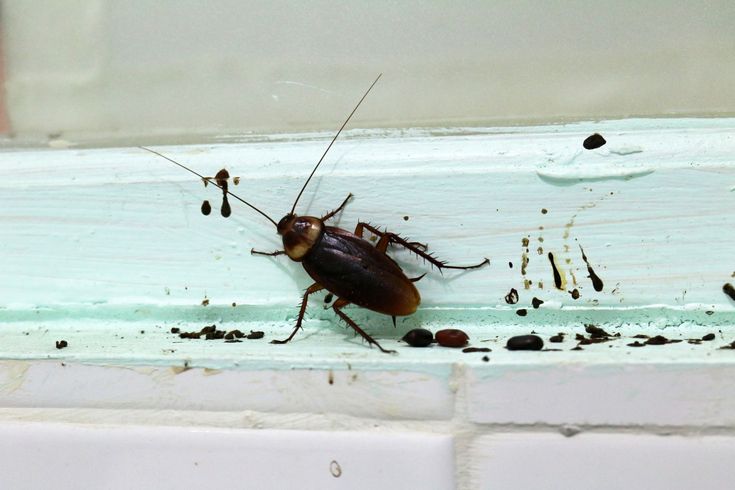
Cockroaches are highly sensitive to moisture levels. They prefer humidity above 75% and actively seek out damp environments. This is why cockroaches congregate in bathrooms, under sinks, and near leaking pipes. In Singapore, our ambient humidity means cockroaches can thrive almost anywhere.
Mosquitoes
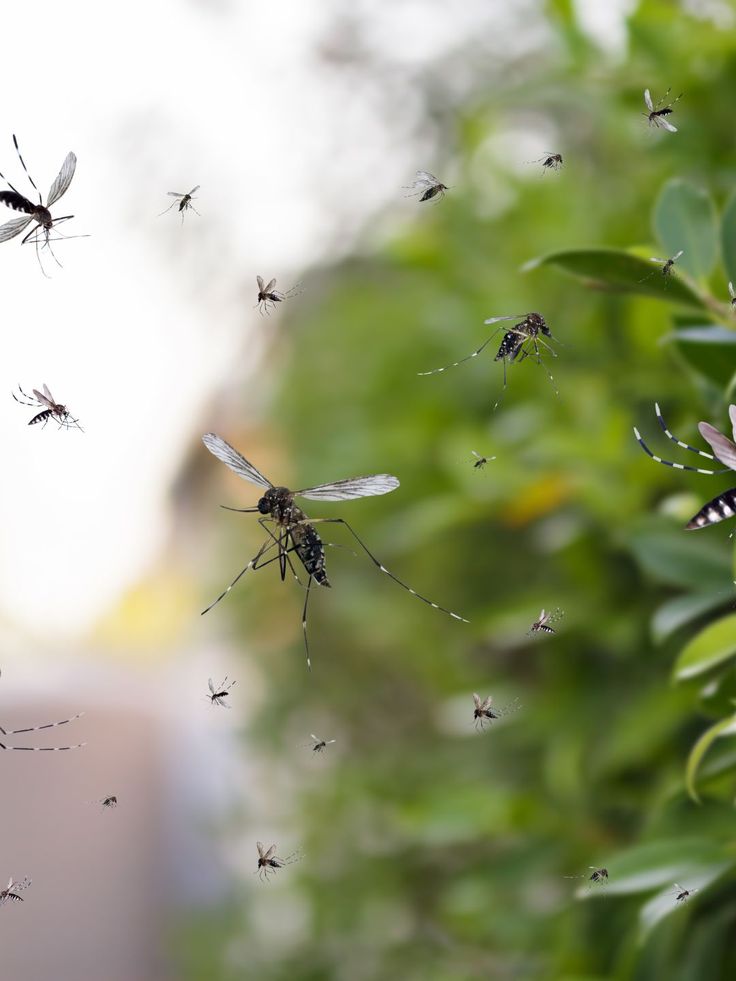
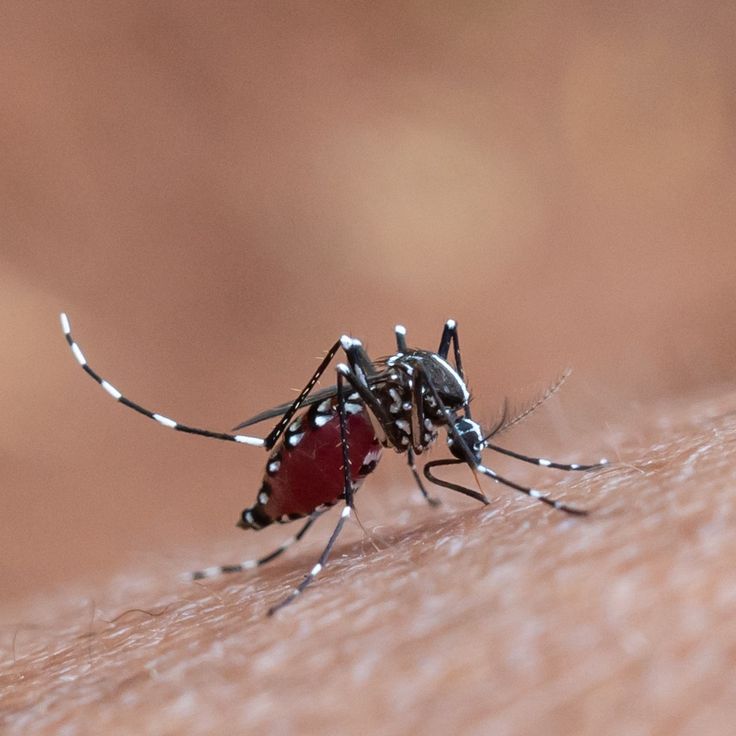
Mosquitoes require standing water to breed, but humidity affects adult mosquito survival and activity. High humidity extends adult mosquito lifespan and flight range, while low humidity causes them to dehydrate more quickly.
Termites
Termites are extremely humidity-dependent. Subterranean termites build mud tubes precisely to maintain humidity levels above 80%. Singapore's consistently moist soil provides ideal conditions for termite colonies year-round.
Ants
Ants increase indoor foraging during both very wet and very dry periods. During monsoon seasons, ants move indoors to escape flooding, while during dry spells, they seek indoor water sources.
Managing Indoor Humidity for Pest Prevention
- Use dehumidifiers: Especially in enclosed rooms, storerooms, and bedrooms without AC
- Ventilate bathrooms: Run exhaust fans during and after showers to reduce bathroom humidity
- Fix all leaks: Dripping taps and condensation on pipes create localised high-humidity zones
- Maintain AC systems: Clean condensate lines regularly to prevent blockages and water pooling
- Avoid drying clothes indoors: This significantly increases indoor humidity levels
Professional Moisture and Pest Management
Professional pest control in Singapore accounts for our humidity-driven pest behaviour. Treatments like residual spraying and gel baiting are formulated to remain effective in high-humidity conditions, unlike many over-the-counter products that degrade quickly in moisture-rich environments.
Need humidity-proof pest control? Call 92222278 for expert advice.