F&B Pest Control Audit Guide: Passing SFA & NEA Hygiene Checks
By United Pest Editorial Team, Pest Management Specialist
For a Singapore food business, a single cockroach seen during an inspection can lead to demerit points, a suspension or a damaged reputation online. Passing a hygiene audit is not about a quick spray the night before — it is about showing a working, documented pest management system. This guide covers what a professional programme looks like.
1. Documentation Inspectors Expect
- Service reports: signed reports for every visit, listing areas treated, products used and findings
- Site map: numbered locations of bait stations, glue boards and UV fly traps
- Trend data: monthly catch counts so you can show activity is going down, not up
- Corrective actions: a record of each issue raised (e.g. "gap behind dishwasher") and when it was fixed
- Chemical records: product labels and safety data sheets for everything used on site
2. The High-Risk Zones
Most kitchen infestations start in the same places. Check these weekly:
- Behind and under fridges, chillers and ice machines — warm motors attract German cockroaches
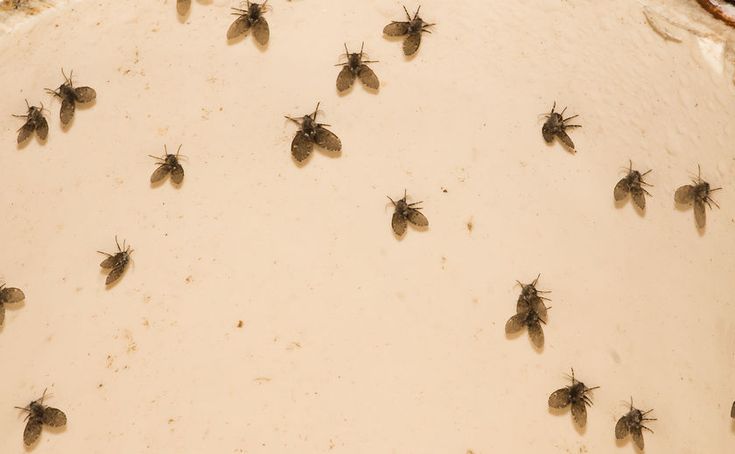
- Floor drains and grease traps — breeding sites for drain flies
- Dry store shelving — stored product pests and rodents
- Back door, loading area and refuse point — the main entry routes
- Wall–floor joints, cable holes and false ceilings
Professional tip
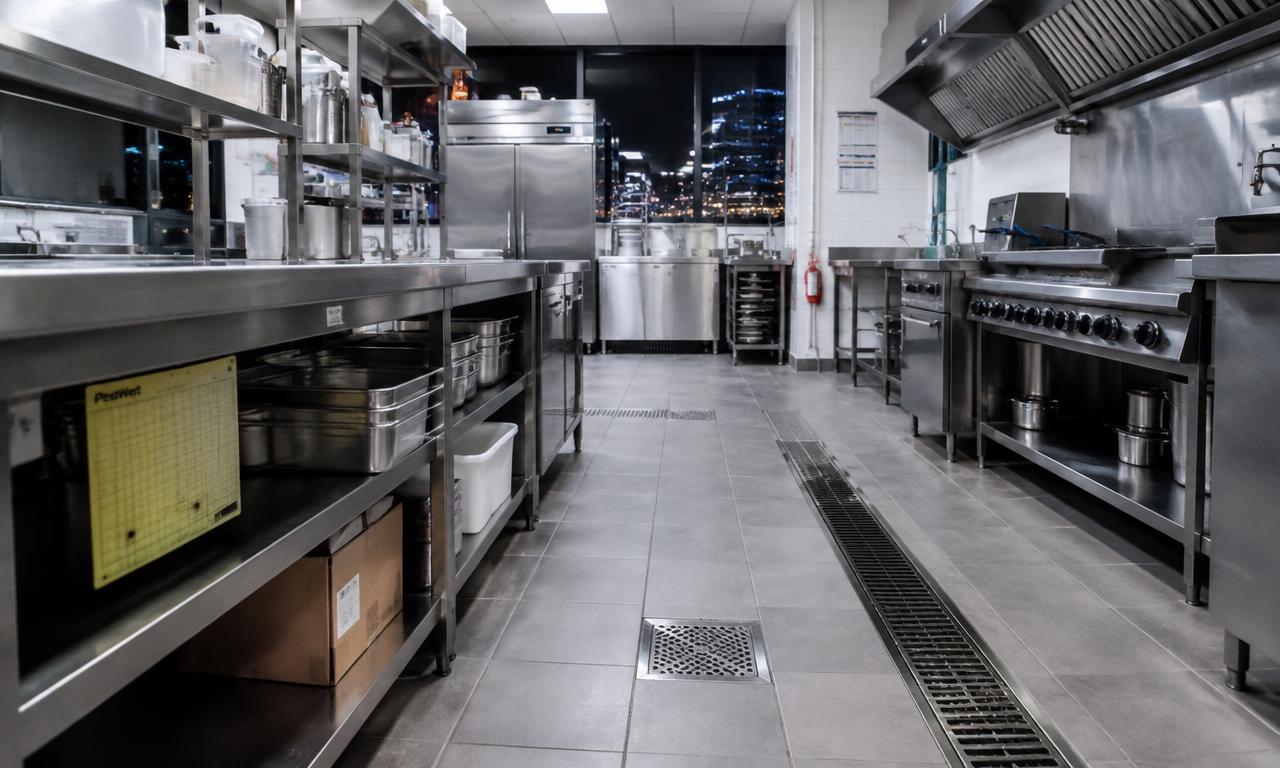
Glue boards are not just for catching pests — they are your early-warning system. A board that catches cockroach nymphs tells you breeding is happening nearby, often weeks before adults are seen.
3. Daily Closing Routine
- Clear all food debris from under cooking lines and equipment
- Flush floor drains with hot water and keep drain covers in place
- Seal opened dry goods in lidded containers
- Empty and wash bins; never leave refuse bags inside overnight
- Close back doors fully — check that door sweeps touch the floor
4. Proofing That Lasts
Treatment controls the pests you have; proofing stops new ones arriving. Fit door sweeps and strip curtains, seal pipe penetrations with steel wool and sealant, add mesh to floor traps and repair cracked tiles. Our preventive management service includes a proofing report after the first inspection.
5. Choosing the Right Service Frequency
A monthly visit suits most cafés and small restaurants. Hawker stalls with heavy cooking, central kitchens and hotels usually need fortnightly visits. If your outlet has had a complaint or an inspection warning, a short intensive programme (weekly for 4–6 weeks) followed by monthly maintenance brings activity down fastest. See our service frequency guide for details.
Need an audit-ready pest programme for your outlet? Call 9222 2278 for a free site inspection.