Why Drain Flies Keep Coming Back (And How to Stop Them Permanently)
By United Pest Editorial Team, Pest Management Specialist
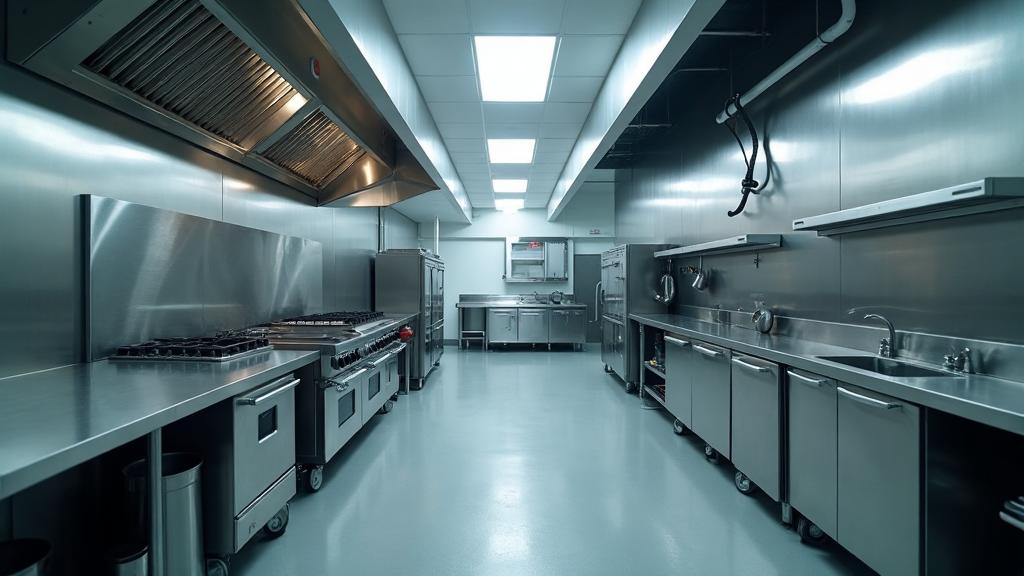
If you operate a restaurant, café, or commercial kitchen in Singapore, you have likely encountered drain flies — those small, fuzzy, moth-like insects that hover around sinks, floor drains, and grease traps. Despite repeated treatments, they keep returning. The reason is simple: most approaches target the symptom (adult flies) without addressing the root cause (their breeding habitat inside your drainage system).
What Are Drain Flies?
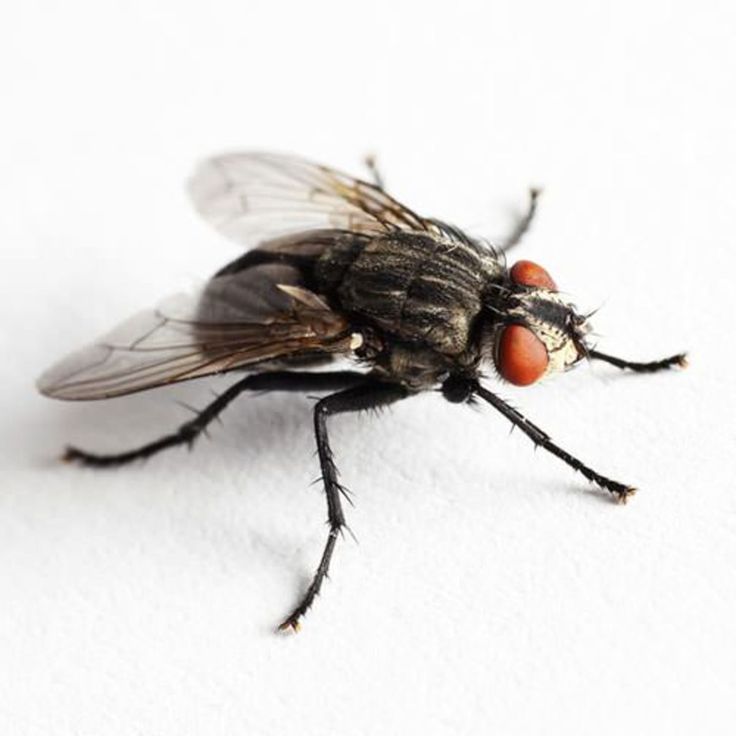
Drain flies (also known as moth flies or sewer gnats) are small, fuzzy-winged insects approximately 2–5mm in length. They do not fly far or fast, often resting on walls near their breeding sites. Despite their seemingly harmless appearance, their presence in a food establishment signals serious sanitation issues within the drainage system.
💡 Did You Know?
A single drain fly can lay up to 300 eggs at once, and the entire lifecycle from egg to adult takes just 8–24 days. This means a small problem can become a major infestation within weeks if the breeding source is not eliminated.
Why Drain Flies Keep Coming Back
1. Organic Build-Up Inside Drains
The primary reason drain flies persist is the gelatinous film of organic matter that accumulates inside drain pipes. This biofilm — composed of food particles, grease, soap residue, and bacteria — is the perfect breeding medium. Drain fly larvae feed on this material, and as long as it exists, new generations will continue to emerge.
2. Surface-Only Treatments
Many businesses rely on surface sprays or fogging to kill visible adult flies. While these methods kill flies on contact, they do not penetrate drain pipes where larvae and eggs reside. Within days of treatment, new adults emerge from untreated drains, creating the illusion that the problem is unsolvable.
3. Neglected Drains and Grease Traps
In busy Singapore kitchens, drain maintenance is often overlooked. Floor drains beneath equipment, grease traps that are not cleaned frequently enough, and seldom-used drains in storage areas all become breeding hotspots.
4. Broken or Poorly Sealed Drain Covers
Damaged, missing, or ill-fitting drain covers allow drain flies to emerge freely into kitchen and dining areas. Even small gaps in floor drain grates provide sufficient access for these tiny insects.
How to Eliminate Drain Flies Permanently
Step 1: Identify All Breeding Sites
Place strips of clear tape over suspected drain openings overnight. If drain flies are breeding in that drain, adults will become stuck to the tape as they emerge. Check every drain — floor drains, sink drains, dishwasher drains, and grease trap vents.
Step 2: Physical Drain Cleaning
The most critical step is physically removing the organic biofilm inside drains. This requires:
- Using a stiff drain brush to scrub the inside walls of drain pipes
- Flushing drains with hot water to dislodge organic matter
- Applying enzyme-based drain cleaners that break down organic film biologically
- Cleaning grease traps thoroughly and on a regular schedule
Chemical drain cleaners are not recommended as they can damage pipes and are less effective at removing the biofilm that drain fly larvae feed on.
Step 3: Professional Treatment
After physical cleaning, professional fly control treatments target remaining larvae and adult populations. Methods include:
- Application of insect growth regulators (IGRs) in drain systems to prevent larvae from maturing
- Residual spraying around drain areas to kill emerging adults
- ULV misting for immediate knockdown of flying adults in enclosed areas
Step 4: Ongoing Prevention
- Establish a weekly drain cleaning schedule for all kitchen and bar drains
- Clean grease traps at least weekly — more frequently in high-volume kitchens
- Ensure all drain covers are intact and properly fitted
- Run water through seldom-used drains weekly to prevent drying and biofilm accumulation
- Schedule monthly professional fly control inspections
💡 Did You Know?
In Singapore's humid climate, drain biofilm can regenerate within 48 hours after cleaning if preventive measures are not maintained. Consistency is the key to permanent drain fly elimination.
Why Restaurant Owners Should Act Fast
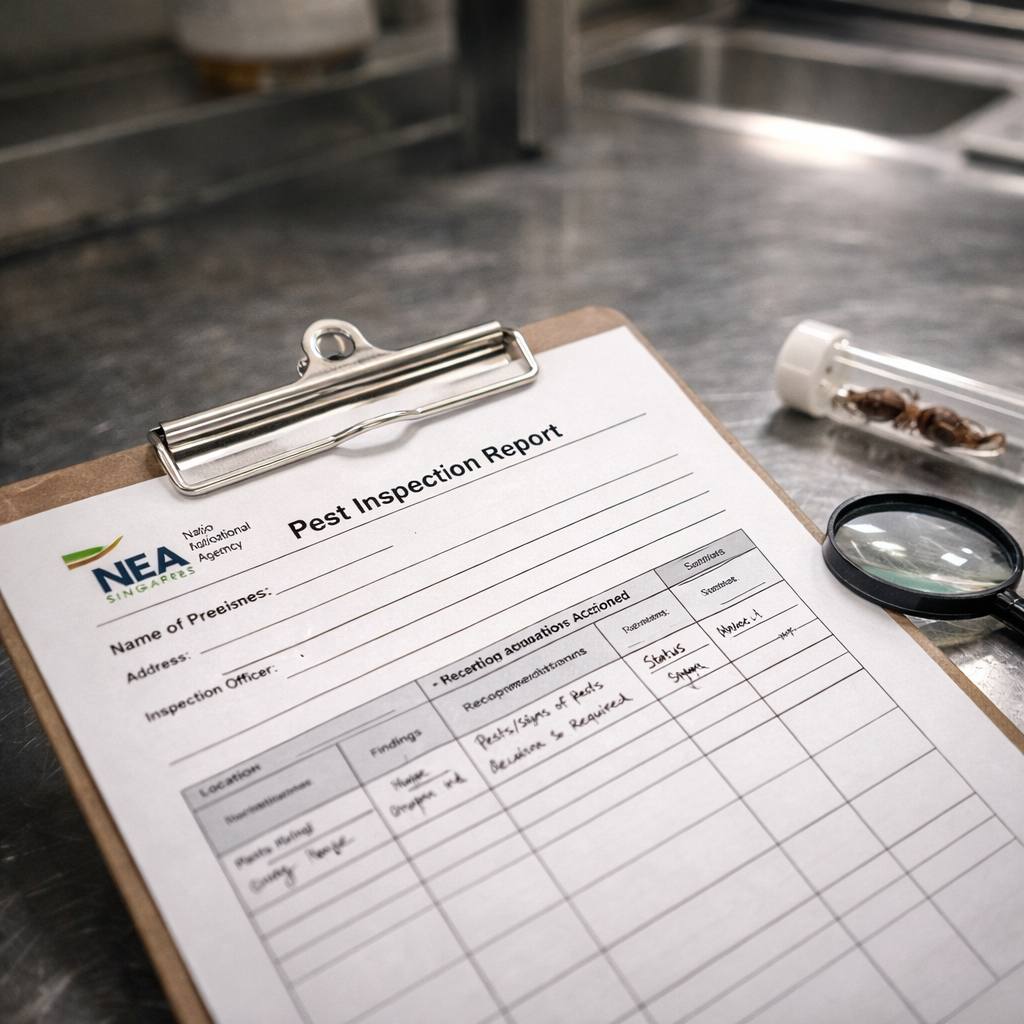
Beyond being a nuisance, drain flies in a restaurant or food establishment can result in failed NEA hygiene inspections, customer complaints, and negative reviews. In Singapore's competitive F&B landscape, pest sightings — even of seemingly harmless drain flies — can damage your reputation and business.
Expert Drain Fly Control for Singapore Businesses
United Pest & Vector Management provides targeted drain fly control solutions for restaurants, cafés, and commercial kitchens across Singapore. Our approach addresses the root cause — not just the visible symptoms — ensuring lasting results.
Book a Free Inspection Today — Call 92222278