Flying Ants vs Flying Termites: Identifying Swarmers
By United Pest Editorial Team, Pest Management Specialist
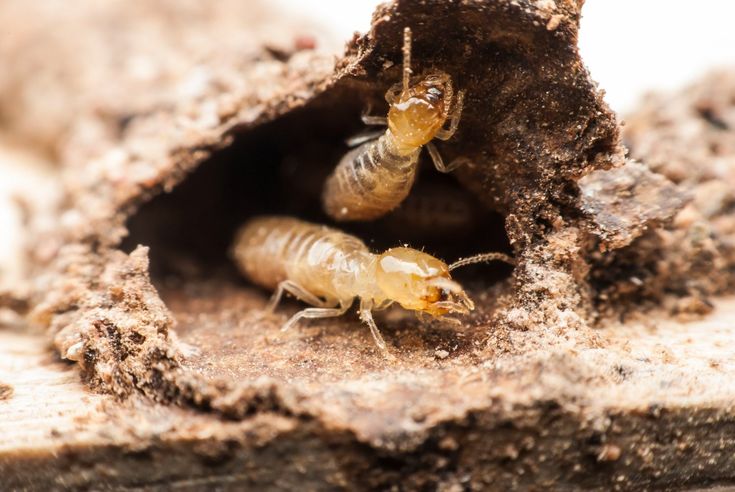
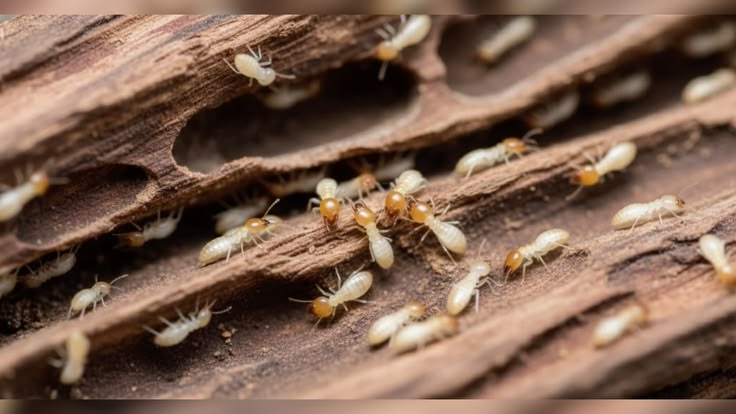
Flying termites have four wings of equal length, straight beaded antennae and a straight body with no waist. Flying ants have longer front wings, elbowed antennae and a pinched waist. Termite wings shed easily and collect in piles on window sills — a swarm indoors means a mature colony is already in the building.
Every heavy downpour in Singapore is followed within a day or two by clouds of winged insects around corridor lights and window grilles at dusk. Most residents call them flying ants. A large share of them are termite alates, and the difference decides whether you sweep up and forget it or book an inspection this week.
| Feature | Flying ant (alate) | Flying termite (alate) |
|---|---|---|
| Wings | Front pair clearly longer than hind pair | Four wings, all the same length |
| Wing texture | Tough, visibly veined, stay attached | Milky and fragile, shed within hours |
| Antennae | Elbowed, bent at a sharp angle | Straight and beaded |
| Waist | Narrow and pinched | Straight, no waist |
| Body colour | Black, dark brown or reddish | Dark brown to black body with pale wings |
| Body length | 6–12 mm depending on species | 8–12 mm including wings |
| Flight timing | Mainly daylight hours | Dusk, especially after heavy rain |
| Flight quality | Directed, capable fliers | Weak and fluttering, quickly grounded |
| What they leave behind | Few or no shed wings | Piles of equal-length shed wings on sills and floors |
| What it means | Nuisance; a nest is nearby | A mature colony, usually 3+ years old, in or under the building |
The wing pile is the giveaway
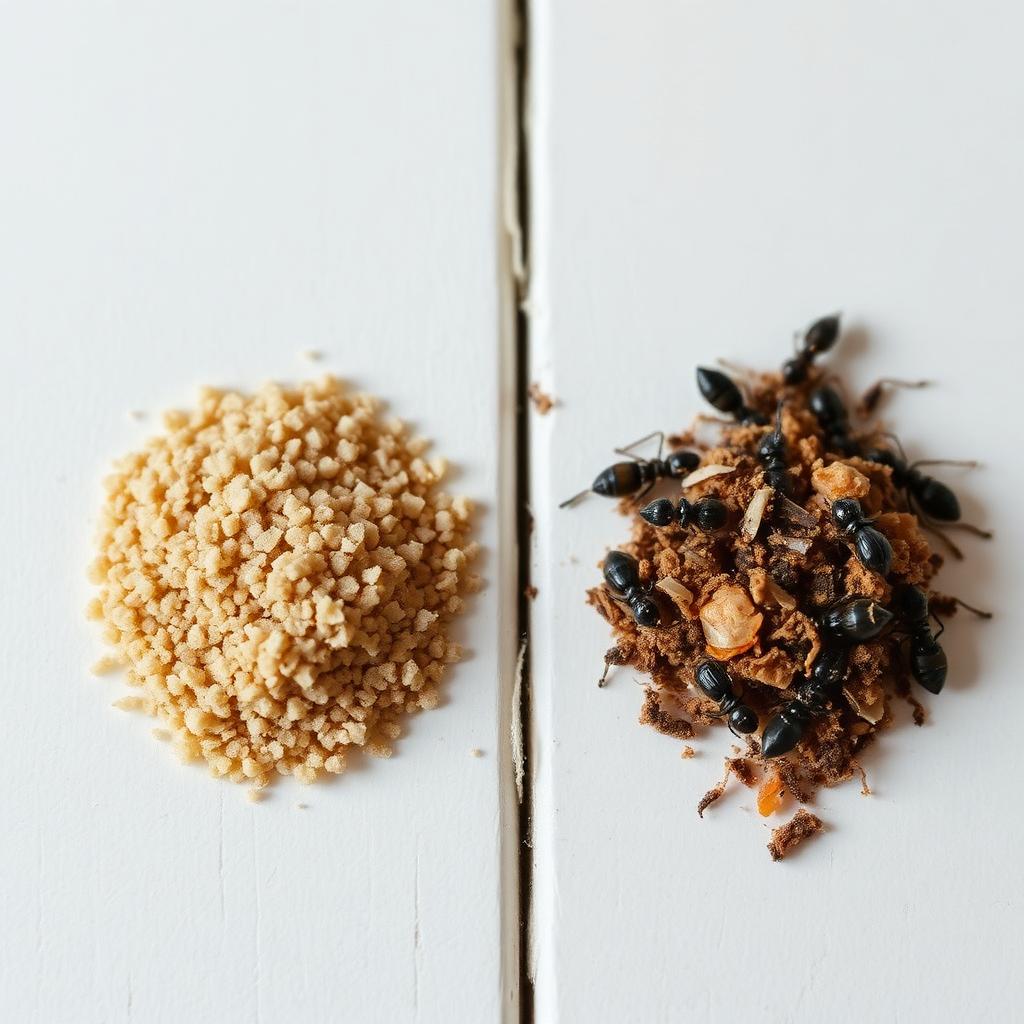
Termite alates fly only long enough to pair up, then deliberately break their wings off at a basal fracture line. The result is small drifts of identical translucent wings on window sills, inside sinks, along skirting and around ceiling lights — often discovered the morning after a swarm nobody witnessed. Ants keep their wings far longer and rarely leave a pile.
Collect a few wings and a specimen in a sealed bag or clear tape before cleaning up. Species identification changes the treatment plan; our flying termite page covers what happens after a swarm, and the pest identifier can confirm your reading in under a minute.
Where a Singapore swarm usually comes from
- Soil beneath the slab. Subterranean colonies reach the building through cracks, service penetrations and pipe voids. See subterranean termites.
- Timber in contact with soil. Garden decking, fence posts, planter boxes and tree stumps near the boundary.
- Roof and ceiling timber. Drywood species swarm from within the timber itself and leave frass pellets below. See drywood termites.
- Neighbouring properties. Colonies forage across boundaries; a landed cluster or older estate frequently shares pressure between units.
What to do the night of a swarm
- Switch off outdoor and corridor lights to stop attracting more alates.
- Close windows and doors on the affected side of the building.
- Vacuum the insects rather than spraying them — spraying destroys usable evidence.
- Keep a sample and photograph any wing piles, noting exactly where they were found.
- Tap skirting, door frames and architraves in that room and listen for hollow sound.
- Book an inspection — indoor swarms should be looked at within days, not months.
Why urgency is different for the two insects
A winged ant swarm is a nuisance event. Ants forage for sugar and protein and cause no structural harm, though carpenter ants will excavate damp timber. Ant work is nest-targeted baiting — see ant control.
A termite swarm inside a building is a structural warning. Colonies do not produce alates until they are three to five years old and well established, so an indoor swarm means feeding has been going on for years already. Treatment means a soil barrier, a baiting system, or both, sized to the structure — see termite control and ant vs termite for the non-winged comparison.
Get it confirmed
Send a photo of the insect or the wing pile on WhatsApp, or call 9222 2278. Our NEA-licensed technicians inspect free across Singapore and confirm the species with a probe and moisture meter before quoting.