Early Warning Signs of Termite Activity in Singapore Properties
By United Pest Editorial Team, Pest Management Specialist
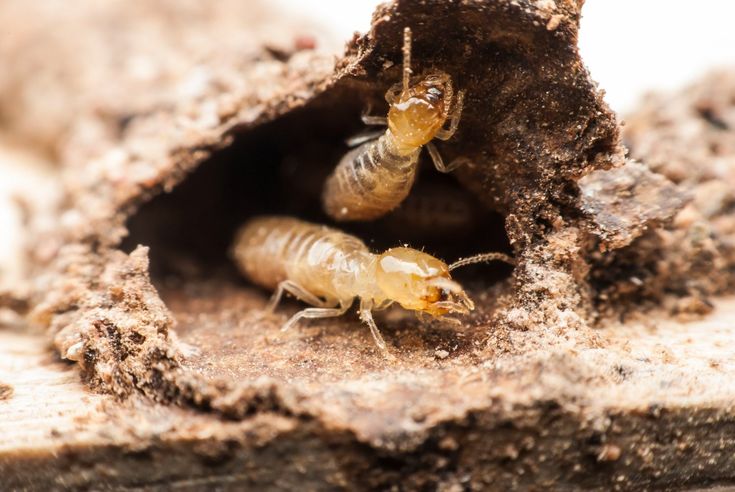
Termites are often called "silent destroyers" for good reason. In Singapore, where warm, humid conditions create ideal termite habitats, these wood-eating insects can cause catastrophic structural damage before property owners even realise they have a problem. Understanding the early warning signs of termite activity is essential for protecting your property investment — whether it is a landed home, condominium, office, or commercial building.
Why Termites Are a Major Concern in Singapore
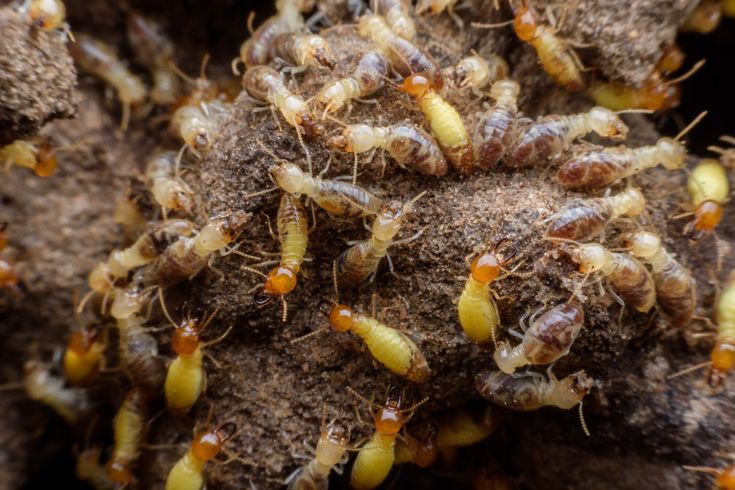
Singapore's tropical climate provides year-round conditions for termite activity. The three most common species — subterranean termites, drywood termites, and dampwood termites — all thrive in Singapore's environment. Subterranean termites are by far the most destructive, accounting for approximately 80% of termite damage cases in the region.
💡 Did You Know?
A mature subterranean termite colony can contain over one million individuals and consume up to 5 kilograms of wood per day. Because they eat from the inside out, structural members can be almost completely hollowed before any visible signs appear on the surface.
7 Early Warning Signs of Termite Activity
1. Mud Tubes on Walls and Foundations
Subterranean termites build pencil-sized mud tubes (also called shelter tubes) to travel between their underground colony and food sources. These tubes are made of soil, wood particles, and termite saliva, and are typically found on exterior walls, foundations, pillars, and along pipe runs. Even a single mud tube indicates active termite foraging.
2. Hollow-Sounding Wood
Tap wooden structures — door frames, window sills, skirting boards, and structural beams — with a hard object. If the wood sounds hollow or papery rather than solid, termites may have consumed the interior while leaving the outer surface intact. This is one of the most telling signs of advanced termite activity.
3. Discarded Wings Near Windows and Lights
Flying termites (alates) emerge from mature colonies to establish new ones, typically during warm, humid evenings after rain. Finding piles of small, translucent wings near windows, light fixtures, or on windowsills indicates that a termite colony is nearby and actively expanding.
4. Frass (Termite Droppings)
Drywood termites produce small, pellet-shaped droppings called frass that they push out of their galleries through tiny kick-out holes. Finding small piles of what looks like fine sawdust or sand near wooden structures is a strong indicator of drywood termite activity.
5. Bubbling or Peeling Paint
Unexplained bubbling, peeling, or distortion of paint on wooden surfaces can indicate termite activity beneath. As termites consume wood and introduce moisture, the paint surface becomes compromised. This sign is easily mistaken for water damage.
6. Tight-Fitting Doors and Windows
When termites consume wood in door frames and window frames, the resulting moisture and structural changes can cause doors and windows to become difficult to open or close. If a door or window that previously operated smoothly suddenly becomes stiff, termite damage may be the cause.
7. Sagging Floors or Ceilings
In severe cases, termite damage to structural timber can cause visible sagging in floors, ceilings, or roof lines. This indicates significant structural compromise and requires immediate professional assessment.
💡 Did You Know?
Termite damage is not covered by most home insurance policies in Singapore. Property owners bear the full cost of repairs, which can range from S$10,000 to S$50,000 or more for extensive structural damage. Prevention and early detection are significantly more cost-effective.
High-Risk Areas in Singapore Properties
Focus your inspections on these vulnerable areas:
- Ground floor and basement areas — closest to subterranean termite colonies
- Wooden door frames, window frames, and skirting boards
- Areas where wood contacts soil or concrete directly
- Bathrooms and kitchens — moisture attracts termites
- Roof timber and attic spaces
- Built-in wardrobes, cabinets, and shelving
- Areas adjacent to gardens, trees, or green spaces
What to Do If You Spot Signs of Termites
- Do not disturb the termites. Breaking mud tubes or disturbing termite activity causes them to relocate and makes treatment more difficult
- Do not apply DIY sprays. Surface sprays repel termites temporarily without eliminating the colony, potentially driving them deeper into the structure
- Contact a professional termite control service. Licensed termite control specialists use advanced detection methods including thermal imaging to map the full extent of termite activity
- Schedule a comprehensive inspection. A professional termite inspection covers the entire property, not just the area where signs were spotted
Professional Termite Protection for Singapore Properties
United Pest & Vector Management provides comprehensive termite inspection and treatment services for residential and commercial properties across Singapore. Our advanced detection technology and proven treatment methods protect your property from termite damage — before it is too late.
Book a Free Inspection Today — Call 92222278