
Oriental Rat Flea
Xenopsylla cheopis
The oriental rat flea is historically one of the most medically significant insects, being the primary vector of plague. In Singapore, it is associated with rodent infestations and can transmit murine typhus. Found in areas with rat activity, especially near drains and refuse areas.
Risk Level
Critical
Active Period
Year-round, associated with rodent activity
Common Locations
Near drains, Refuse areas
Size
1.5–2.5mm
How to Identify Oriental Rat Flea
Physical Appearance
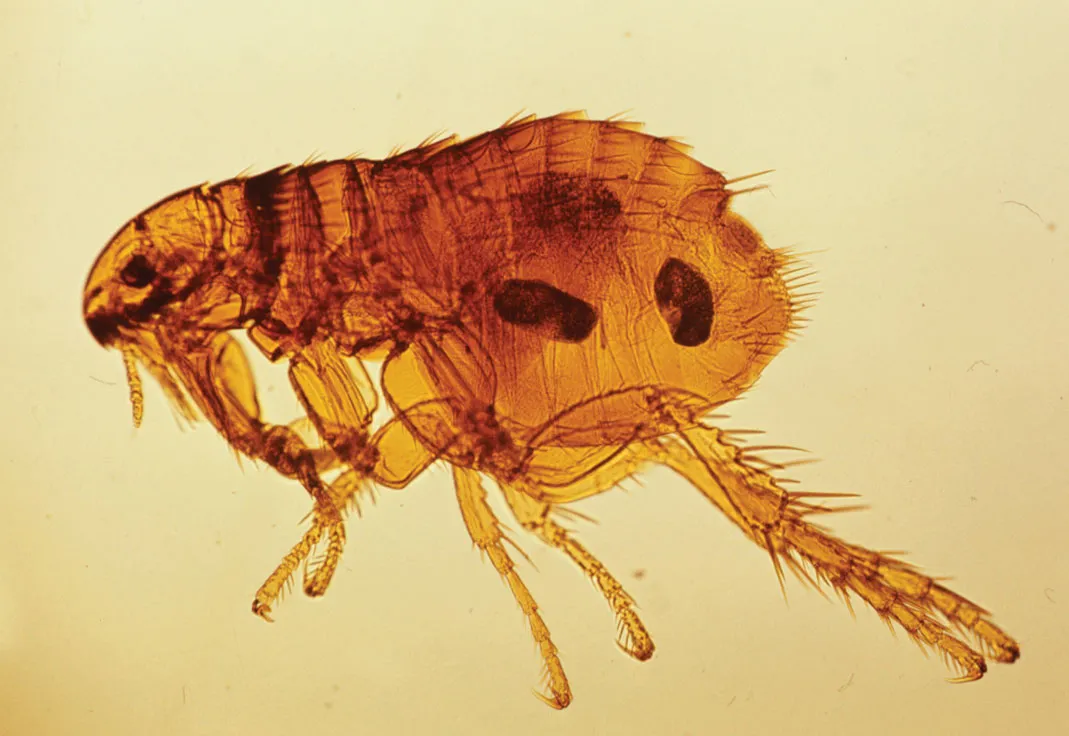
Small, dark brown flea, slightly smaller than cat and dog fleas. Lacks the head ctenidium (comb) found in cat and dog fleas, which is a key identification feature. Laterally compressed body adapted for moving through rat fur.
Size
1.5–2.5mm
Common Locations
Near drains, Refuse areas, Basements, Storage rooms
Habitat & Behaviour
Activity & Breeding
Primarily parasitises rats (Rattus spp.) but will readily bite humans when rat hosts die or are removed. Feeds frequently and can transmit pathogens between bites. Reproduces in rat nests and burrows. Presence directly indicates rodent activity.
Active Period
Year-round, associated with rodent activity
Signs of Oriental Rat Flea Infestation
Health & Property Risks
Prevention Tips
Frequently Asked Questions
Other Flea Species
Need Help With Oriental Rat Flea?
Our experienced technicians can identify and eliminate oriental rat flea infestations. Contact us for a free inspection and tailored treatment plan.