
Dog Flea
Ctenocephalides canis
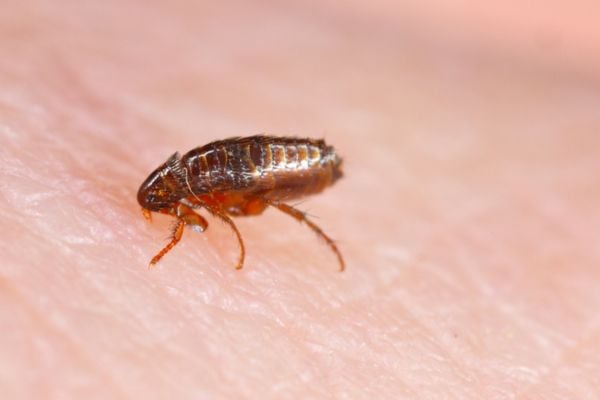
The dog flea is closely related to the cat flea and shares similar biology and behaviour. Primarily found on dogs and in kennels, it can also bite humans, causing itchy welts. While less common than the cat flea in Singapore, it requires the same integrated treatment approach.
Risk Level
High
Active Period
Year-round
Common Locations
Dog kennels, Pet shelters
Size
2–3.5mm
How to Identify Dog Flea
Physical Appearance
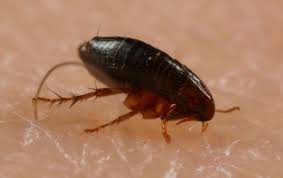
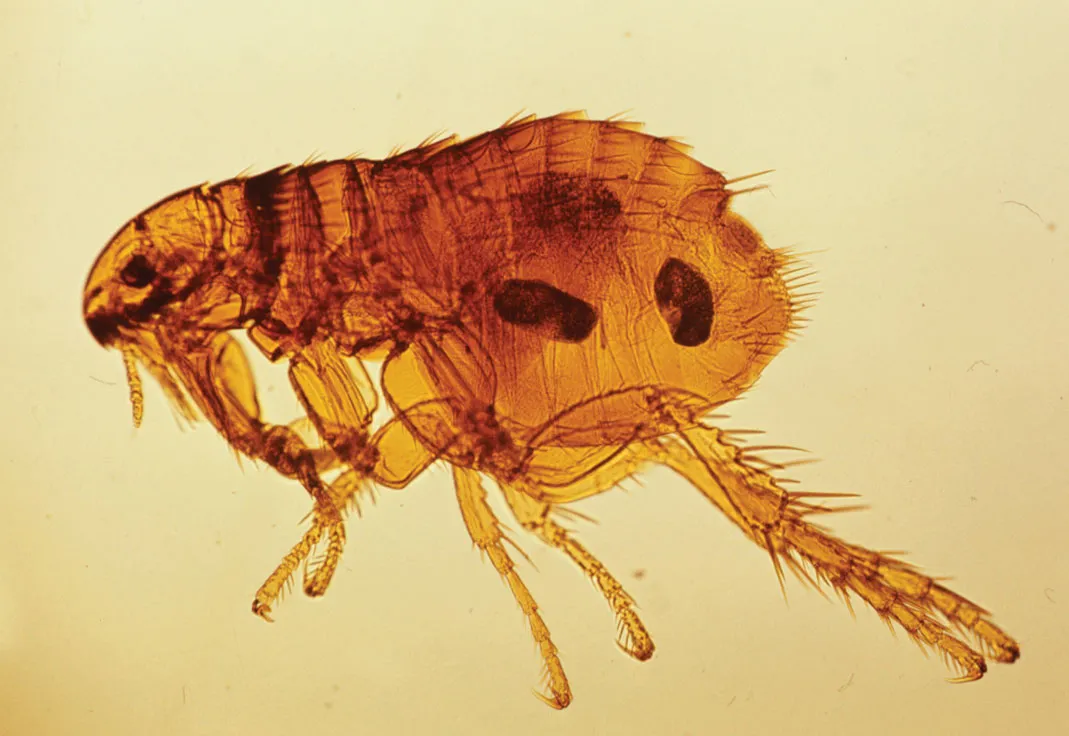
Very similar to the cat flea — small, dark brown, laterally compressed body with powerful hind legs. Distinguished from cat fleas only under magnification by differences in the head ctenidium (comb) structure.
Size
2–3.5mm
Common Locations
Dog kennels, Pet shelters, Gardens, Outdoor rest areas
Habitat & Behaviour
Activity & Breeding
Lives permanently on the host dog. Female lays eggs in the dog's fur which fall into the environment. Larvae feed on organic debris in kennels, carpets, and soil. Adults require a blood meal to reproduce. Can jump up to 30cm vertically.
Active Period
Year-round
Signs of Dog Flea Infestation
Health & Property Risks
Prevention Tips
Frequently Asked Questions
Other Flea Species
Need Help With Dog Flea?
Our experienced technicians can identify and eliminate dog flea infestations. Contact us for a free inspection and tailored treatment plan.