
Cat Flea
Ctenocephalides felis
Despite its name, the cat flea is the most common flea species worldwide and infests cats, dogs, and other animals. It is the primary flea encountered in Singapore households. A prolific breeder, a single pair can lead to thousands of fleas within weeks.
Risk Level
Critical
Active Period
Year-round in Singapore's tropical climate
Common Locations
Pet bedding, Carpets
Size
1.5–3mm
How to Identify Cat Flea
Physical Appearance
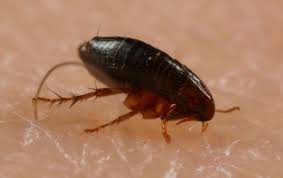
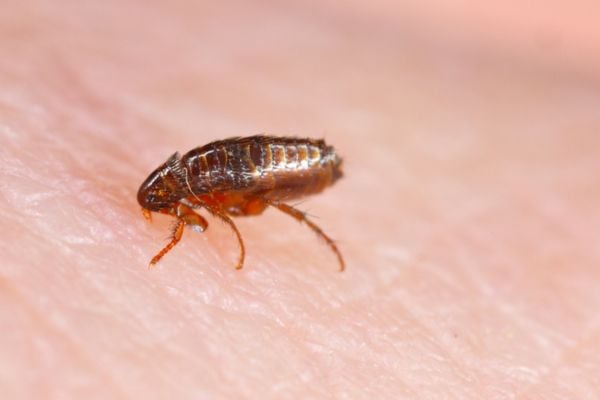
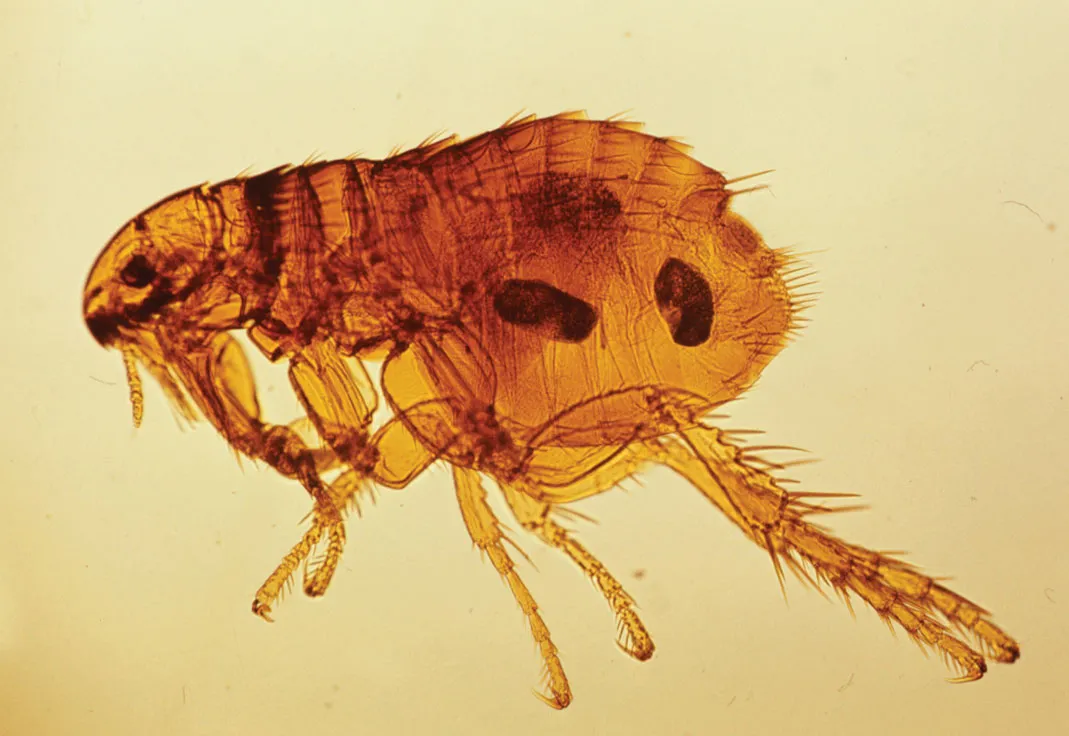
Small, dark brown, wingless insect with a laterally compressed (flattened side-to-side) body. Powerful hind legs for jumping. Backward-facing spines on the body help it move through fur. Has a comb-like structure (ctenidium) on the head.
Size
1.5–3mm
Common Locations
Pet bedding, Carpets, Soft furnishings, Under furniture
Habitat & Behaviour
Activity & Breeding
Permanent ectoparasite — adults live on the host. Females lay up to 50 eggs per day which fall off into the environment. Larvae develop in carpets, pet bedding, and cracks. Pupae can remain dormant for months. Adults can jump up to 150 times their body length.
Active Period
Year-round in Singapore's tropical climate
Signs of Cat Flea Infestation
Health & Property Risks
Prevention Tips
Frequently Asked Questions
Other Flea Species
Need Help With Cat Flea?
Our experienced technicians can identify and eliminate cat flea infestations. Contact us for a free inspection and tailored treatment plan.