
House Crow
Corvus splendens
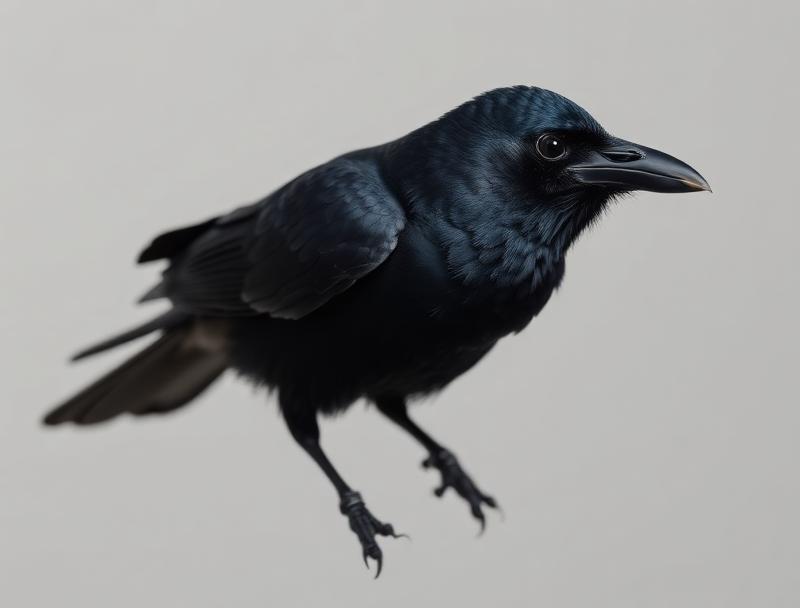
The house crow is an intelligent, opportunistic scavenger with a distinctive grey neck collar. It raids outdoor dining areas, scavenges from waste bins, and can become aggressive when defending nests. NParks actively manages Singapore's house crow population due to public nuisance concerns.
Risk Level
Medium
Active Period
Diurnal, most active in early morning and late afternoon
Common Locations
Trees, Outdoor dining
Size
40–43cm body length
How to Identify House Crow
Physical Appearance
Medium to large bird with glossy black plumage and a distinctive grey collar on the nape and upper breast. Strong black bill. Black legs. Intelligent, alert expression with dark eyes.
Size
40–43cm body length
Common Locations
Trees, Outdoor dining, Waste areas, Building roofs
Habitat & Behaviour
Activity & Breeding
Highly intelligent and adaptable. Feeds on a wide variety of food including scraps, eggs, insects, and small animals. Bold enough to snatch food from outdoor dining tables. Nests in tall trees, building large stick nests. Known to mob people near nests during breeding season.
Active Period
Diurnal, most active in early morning and late afternoon
Signs of House Crow Infestation
Health & Property Risks
Prevention Tips
Frequently Asked Questions
Other Bird Species
Need Help With House Crow?
Our experienced technicians can identify and eliminate house crow infestations. Contact us for a free inspection and tailored treatment plan.