
Common Myna
Acridotheres tristis
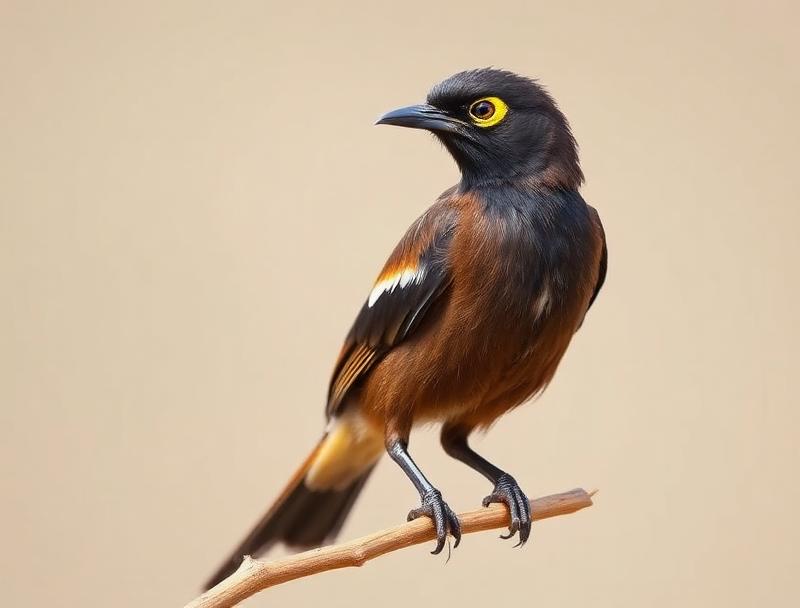
The common myna is an aggressive, adaptable bird with a distinctive yellow eye patch. It nests in roof cavities, air vents, and building gaps, creating noise disturbance and hygiene issues. Known for displacing native bird species, it is considered one of the world's most invasive species.
Risk Level
Medium
Active Period
Diurnal, very active at dawn and dusk
Common Locations
Roof cavities, Air vents
Size
23–26cm body length
How to Identify Common Myna
Physical Appearance
Brown body with black head and throat. Distinctive bright yellow skin patch behind the eye and yellow legs. White wing patches visible in flight. Bright orange-yellow beak.
Size
23–26cm body length
Common Locations
Roof cavities, Air vents, Trees, Building signage
Habitat & Behaviour
Activity & Breeding
Highly territorial and aggressive, especially during breeding season. Nests in cavities — roof spaces, gaps in buildings, air vents, and signage. Extremely vocal with a wide range of calls. Feeds on insects, fruit, and human food scraps. Often seen in pairs or small groups.
Active Period
Diurnal, very active at dawn and dusk
Signs of Common Myna Infestation
Health & Property Risks
Prevention Tips
Frequently Asked Questions
Other Bird Species
Need Help With Common Myna?
Our experienced technicians can identify and eliminate common myna infestations. Contact us for a free inspection and tailored treatment plan.