
Bed Bug Bites vs Flea Bites: How to Tell Them Apart
By United Pest Editorial Team, Pest Management Specialist
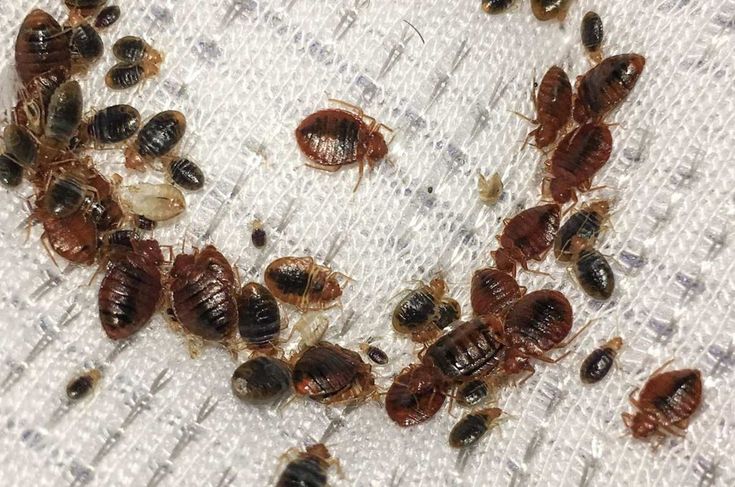
Bed bug bites appear on skin exposed while sleeping — arms, shoulders, neck and back — usually in a line or tight cluster. Flea bites concentrate on ankles and lower legs as small red spots with a darker centre and itch immediately. Bed bug evidence sits in the mattress; flea evidence sits on the pet.
Both insects produce small itchy red marks, both feed on blood, and both are common in Singapore homes. Skin reaction alone is unreliable — about a third of people show no visible response to bed bug bites at all. What separates them consistently is where on the body the bites sit and where the physical evidence is found.
| Clue | Bed bug bites | Flea bites |
|---|---|---|
| Body location | Arms, shoulders, neck, upper back — skin exposed in bed | Ankles, shins and lower legs, rarely above the knee |
| Pattern | Line or tight cluster of 3–4, 'breakfast, lunch, dinner' | Loose groups of 3–4 scattered around the ankle |
| Appearance | Flat to raised red welt, sometimes with a pale centre | Small red spot with a distinct darker punctum in the middle |
| Onset of itch | Often hours later, sometimes days on first exposure | Immediate and intense |
| Duration | 3–7 days, longer if scratched | 2–3 days for most people |
| Where the insect lives | Mattress seams, bed frame joints, headboards, skirting | Pet fur, pet bedding, carpet, floor cracks, upholstery |
| Physical evidence | Black faecal specks, shed skins, blood smears on sheets | Flea dirt in pet fur turning rust-red on damp tissue |
| Insect appearance | Flat reddish-brown oval, 4–6 mm, apple-seed shaped | Dark brown, 1–3 mm, laterally flattened, jumps |
| Who else is affected | Only people in the bed | People at floor level, plus obvious pet scratching |
Confirming bed bugs
Strip the bed to bare mattress and take a torch to all four seams, the piping, the label pocket, the joints of the bed frame, screw holes in a divan base, and the back of the headboard. You are looking for three things: live insects the size and shape of an apple seed, translucent shed skins, and black ink-dot faecal specks that smear rust-brown when wiped with a damp cloth. A sweet, musty odour in a closed bedroom supports the finding.
Do not spray retail aerosols on the mattress. Repellent products scatter bed bugs into skirting, adjacent rooms and neighbouring units, turning a one-room job into a whole-home job. Read our bed bug control page for how a professional programme is sequenced, or tropical bed bug for the species most common in Singapore's climate.
Confirming fleas
Check the animal first. Part the fur at the base of the tail and along the belly and look for fast dark insects and black grit. Comb the pet over a sheet of white paper, then dampen the paper: real flea dirt is digested blood and spreads rust-red, while ordinary dirt stays grey-black.
A white sock test works for the environment — walk slowly across carpet and rugs in white socks and check for dark specks that jump. Because 95% of a flea population exists as eggs, larvae and pupae in the environment rather than adults on the pet, treating only the animal always fails. See flea control, and cat flea for the dominant Singapore species on both cats and dogs.
When it is neither
- Mosquitoes. Single random welts anywhere on uncovered skin, immediate itch, fading within a day or two. See mosquito control.
- Ticks. A single sore mark, often with the tick still attached to skin or pet. See tick control.
- Heat rash or dermatitis. Widespread fine bumps in skin folds with no insect evidence at all.
Work through it interactively with the pest identifier, or read what bit me at night for the wider comparison.
Treatment expectations
Bed bug treatment in Singapore typically needs one primary visit plus a follow-up at 10–14 days, covering the affected room and any adjoining sleeping space. Flea treatment needs a vet-prescribed product on the animal and a licensed environmental treatment on the same day, with a second visit to catch adults emerging from pupae. Either way, confirm the species before spending money: the two programmes share almost no products or methods.
Send photos on WhatsApp or call 9222 2278 for a free inspection.