What Bit Me at Night? Identifying Night-Time Bites in Singapore
By United Pest Editorial Team, Pest Management Specialist
Bites that appear overnight in Singapore are most often bed bugs, mosquitoes or fleas. Bed bug bites form lines or tight clusters on skin exposed while sleeping. Mosquito bites are single raised welts that itch immediately. Flea bites are small red spots on ankles and lower legs. Physical evidence near the bed confirms which one you have.
Bites alone rarely prove a species — skin reacts differently in different people, and a bed bug bite on one person can look identical to a mosquito bite on another. What does hold up is the combination of pattern, body location, timing and physical evidence. Use the table below to place your bites, then confirm with the evidence checklist that follows. If you want it narrowed down interactively, run the pest identifier.
| Clue | Bed bugs | Mosquitoes |
|---|---|---|
| Pattern | Three to four bites in a line or tight cluster | Single, scattered, no pattern |
| Body location | Arms, shoulders, neck, back — skin exposed while sleeping | Anywhere uncovered, including face and hands |
| Onset | Often hours after waking; can take days on first exposure | Immediate welt within minutes |
| Duration | Firm itchy bumps lasting 3–7 days | Soft welt that usually fades within 24–48 hours |
| Where they live | Mattress seams, bed frame joints, headboards, skirting | Stagnant water within 100–200 m |
| Evidence to look for | Black faecal specks, shed skins, blood smears on sheets | Larvae in water containers, whining flight at dusk or dawn |
Bed bugs: lines and clusters on exposed skin
Bed bugs feed for 5–10 minutes while you are still, then move a few millimetres and feed again. That behaviour creates the classic run of three or four bites. Because they harbour in the bed itself, the bites concentrate on whatever skin faces the mattress or is left uncovered — shoulders, upper arms, the back of the neck and the ankles if you sleep uncovered.
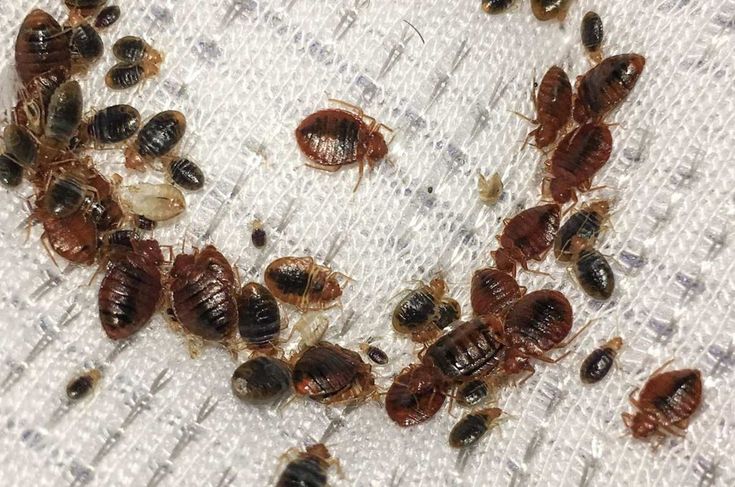
The confirmation is never the bite. Take a torch to the mattress piping, the joints of a wooden bed frame, the screw holes of a divan and the back of the headboard. You are looking for black ink-dot faecal specks, translucent shed skins, and live insects the size and shape of an apple seed. Full detail on treatment is on our bed bug control page.
Mosquitoes: single welts, immediate itch
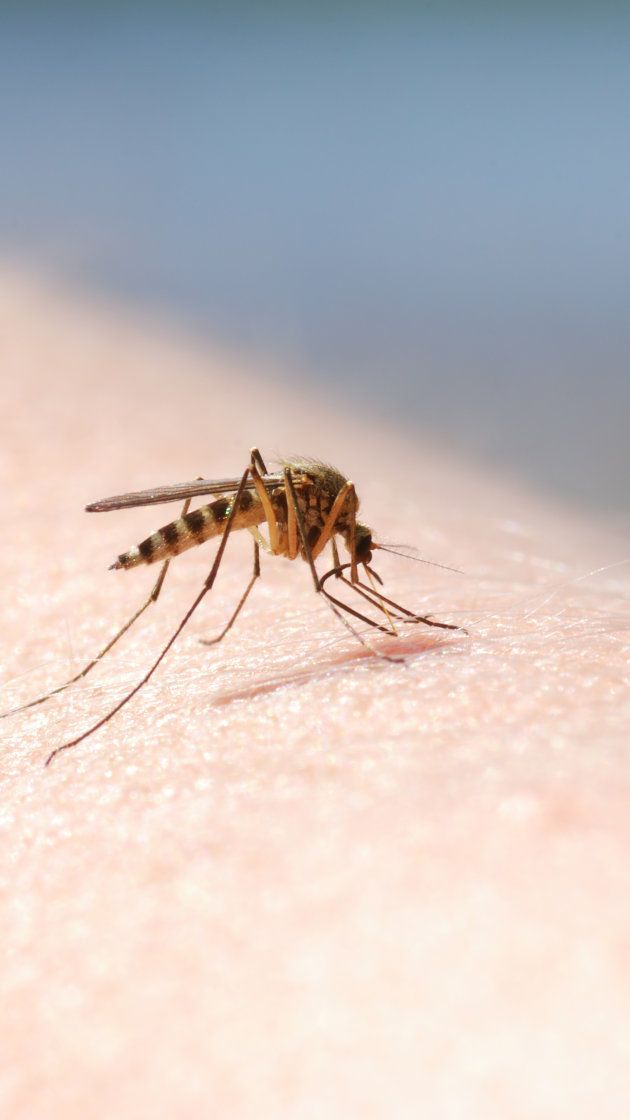
Mosquito bites raise a welt within minutes and generally settle inside two days. In Singapore, Aedes mosquitoes bite mainly in daylight — early morning and late afternoon — while Culex is the one most likely to wake you after midnight. If bites appear while you are reading in the evening rather than during sleep, mosquitoes are far more likely than bed bugs.
The fix is breeding-source removal rather than spraying skin: check plant pot trays, roof gutters, air-conditioner drip trays, and any container holding water for more than five days. See mosquito control for the treatment programme, and vector control if you manage a commercial site.
Fleas: ankles and lower legs only
If the bites stop at knee height, think fleas. Cat fleas — the dominant species in Singapore, on both cats and dogs — live in carpet, floor cracks and pet bedding, and reach only ankle height indoors. Bites are small, red, with a darker punctum in the middle, and often appear in loose groups of three or four rather than a straight line.
Check the pet before the house: part the fur at the base of the tail and look for black "flea dirt" that turns rust-red on a damp tissue. Treatment must cover the pet and the environment at the same time, which is why our flea control programme is scheduled in two visits 10–14 days apart to break the pupal cycle.
Less common causes worth ruling out
- Ticks. An attached tick is visible as a small dark seed on skin or pet fur, and the mark stays sore after removal. See tick control.
- Ants. Ant stings sting immediately and sharply rather than itching later, and usually happen while you are awake and moving.
- Non-pest causes. Heat rash, contact dermatitis from new detergent, and drug reactions all mimic bites. If bites continue after a confirmed-clear inspection, see a doctor.
The 10-minute evidence check
- Strip the bed to bare mattress and inspect all four seams with a torch.
- Check bed frame joints, screw holes and the back of the headboard.
- Run a damp white tissue along skirting behind the bed — rust-coloured smears mean blood-feeding insects.
- Comb the pet over white paper and look for flea dirt.
- Walk the perimeter for standing water in trays, gutters and drains.
- Photograph everything you find before cleaning it away.
When to call a professional
Book an inspection if bites recur over more than a week, if you find any physical evidence in the bed, or if more than one person in the household is affected. Retail aerosols scatter bed bugs into new harbourages and make professional treatment harder and more expensive. United Pest inspects free across Singapore — call 9222 2278 or use the pest identifier first if you want a likely answer in under a minute.