
Mosquito Breeding Inspection
A mosquito breeding inspection in Singapore is a scheduled check of every potential water habitat on a premises, carried out by an NEA-licensed vector control officer using dipping and probing to detect larvae and pupae. Findings, species identification, photographs and corrective actions are recorded in a dated report that serves as compliance evidence during NEA audits.
A mosquito breeding inspection is the evidential backbone of any vector control programme. Our licensed officers dip, probe and photograph every habitat against a numbered checkpoint register, identify larvae to species where recovered, and issue a dated report with corrective actions. This is the document set NEA asks for, and the one most premises cannot produce when an officer arrives unannounced.
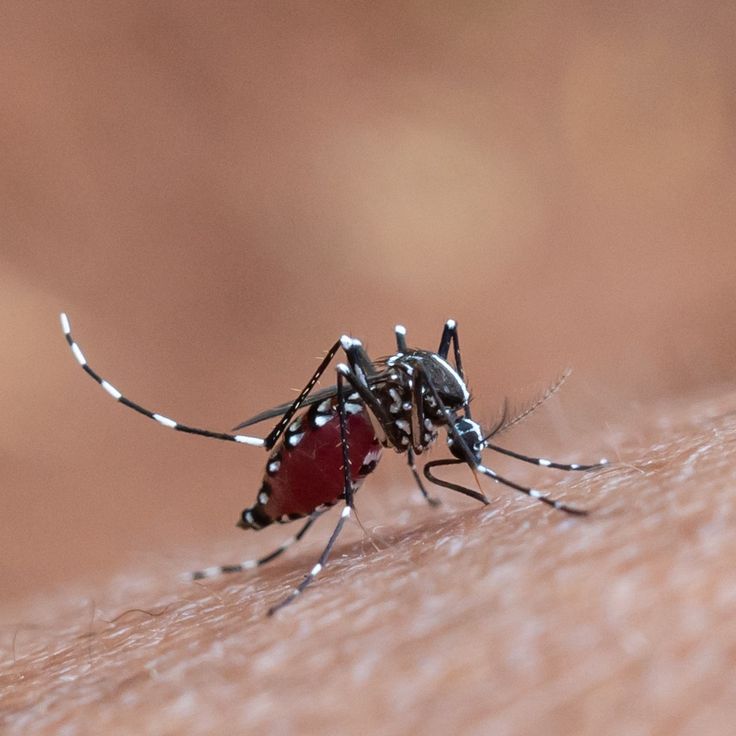
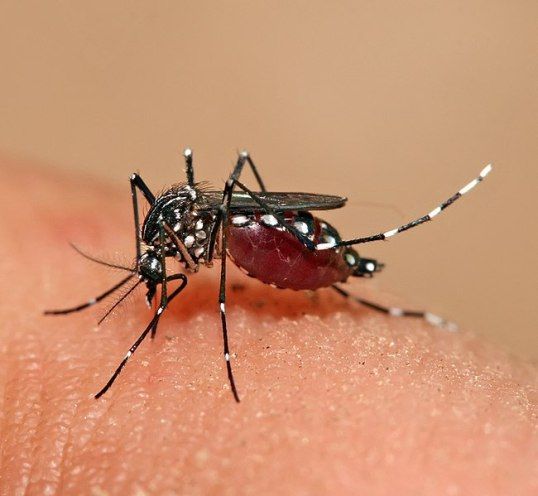
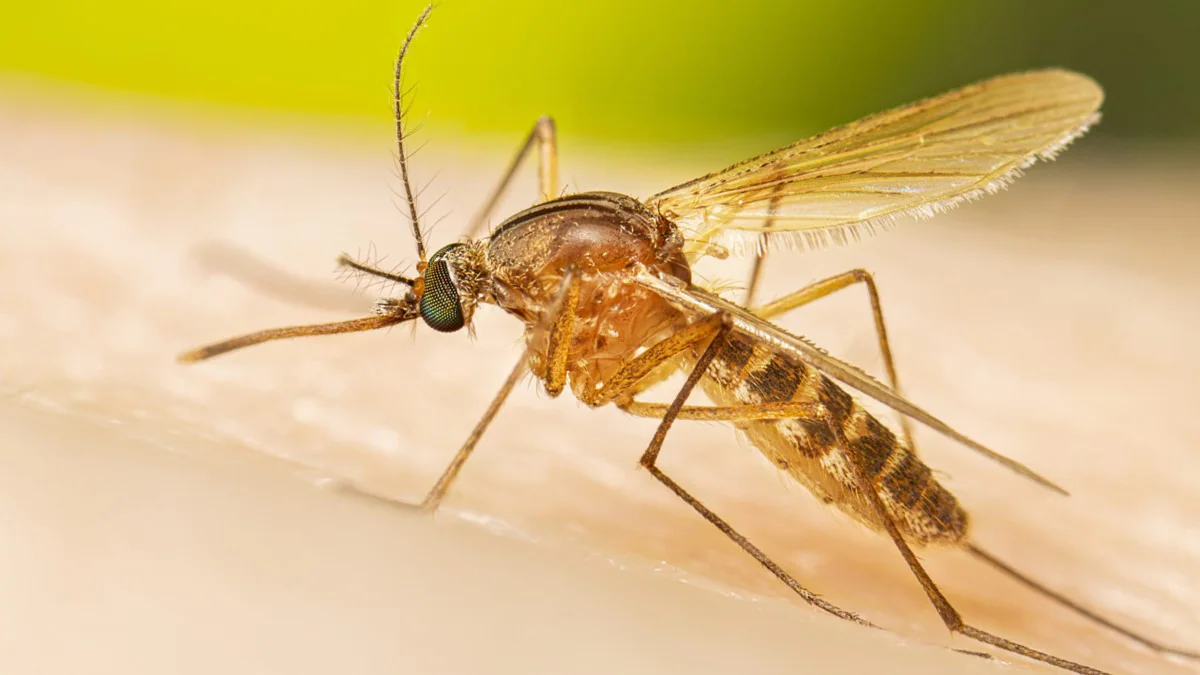
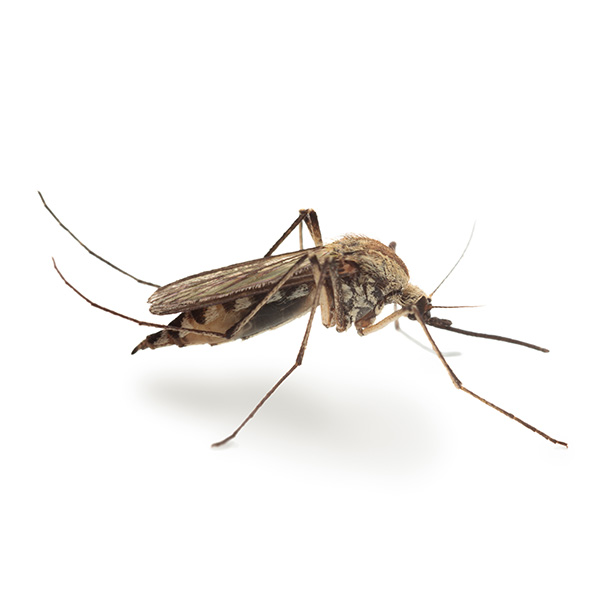
Common Breeding Vectors Found in Singapore
Identifying the specific species is crucial for effective treatment. Here are the most common types found in Singapore homes and businesses.
Signs of Infestation
Health & Safety Risks
Our Solutions
Numbered Checkpoint Register
A mapped, numbered inventory of every potential habitat on the premises so inspections are repeatable, auditable and complete rather than ad hoc walkarounds.
Dipping & Probing Survey
Standard dipper sampling of open water and probing of concealed habitats such as gully traps, bamboo poles, hollow railings, sumps and roof gutters.
Larval Species Identification
Recovered larvae identified to species so the risk profile is clear: Aedes indicates dengue vector presence and demands immediate escalation.
Photographic Evidence Trail
Before-and-after photographs of every positive finding and corrective action, timestamped and tied to the checkpoint number.
Corrective Action Tracking
Each finding is logged with a required action, an owner and a closure date, then verified at the following visit until the habitat is permanently removed.
Audit-Ready Reporting
A dated report after every visit, plus a consolidated monthly compliance pack for management, the MCST board, the developer or NEA.
Treatment Process
Baseline survey to map and number every potential breeding habitat on the premises
Risk grading of each checkpoint and agreement of inspection frequency
Systematic dipping and probing of all checkpoints by a licensed officer
Species identification of any larvae or pupae recovered
Immediate on-the-spot destruction of breeding and treatment of retained water
Photographic recording and issue of a dated report with corrective actions
Verification of closure at the next visit and monthly trend reporting