
Larviciding Programme
A larviciding programme applies NEA-approved larvicides such as Bti, insect growth regulators and sand granular formulations to water bodies that cannot be drained, on a cycle matched to each product's residual life. It kills mosquitoes at the immature stage before they emerge as biting adults, and is the most effective element of vector control in Singapore.
Larviciding attacks mosquitoes where they are concentrated, immobile and cannot escape: the water. A structured larviciding programme treats every retained water body on a cycle matched to the residual life of the product, so no generation of larvae completes development between visits. It is the highest-leverage element of any vector control programme and the part most commonly under-specified in cheap contracts.
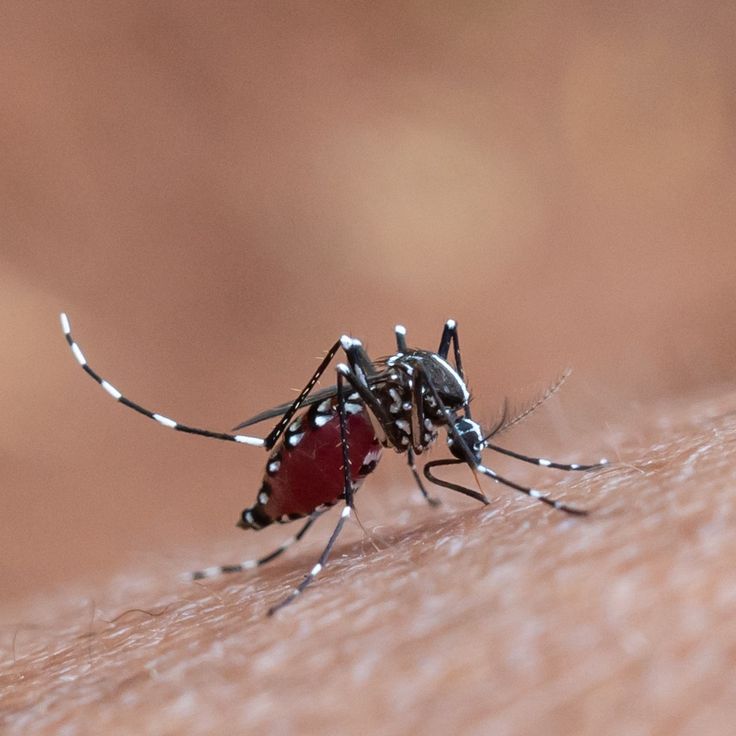
Common Larval Stages Found in Singapore
Identifying the specific species is crucial for effective treatment. Here are the most common types found in Singapore homes and businesses.
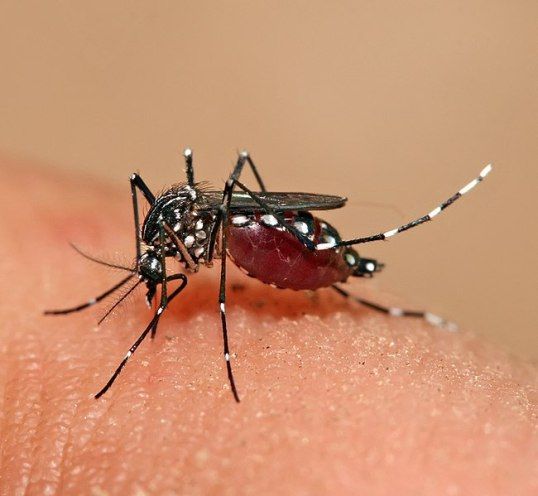
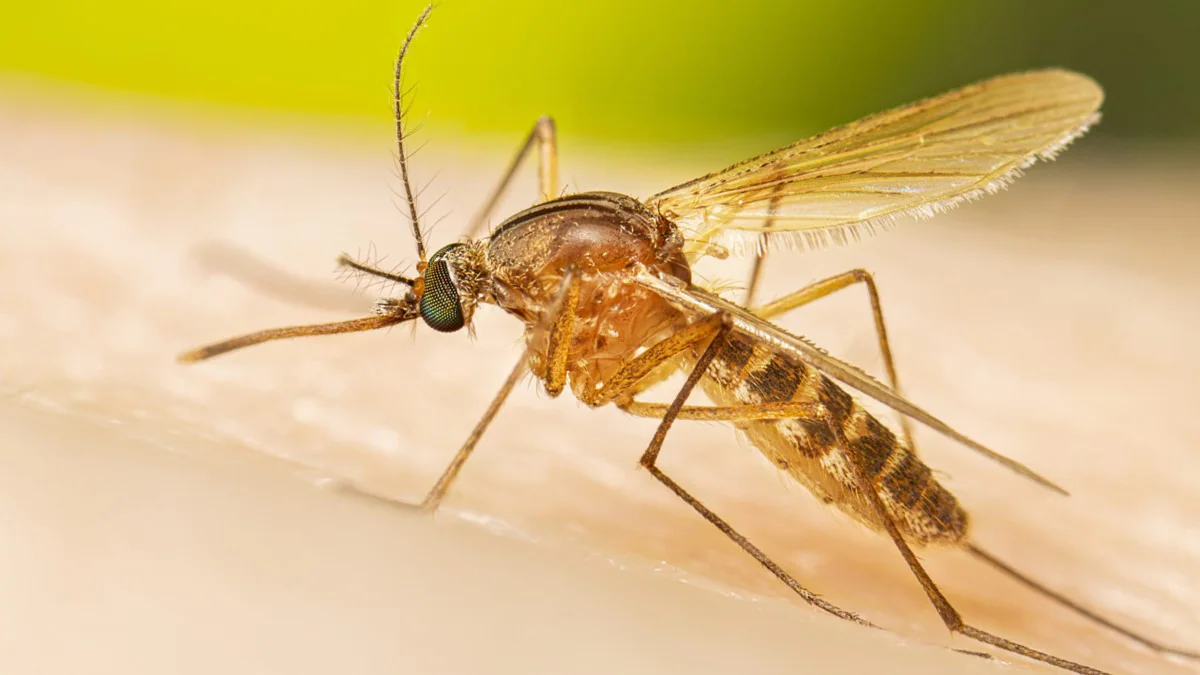
Signs of Infestation
Health & Safety Risks
Our Solutions
Bti Biological Larviciding
Bacillus thuringiensis israelensis, a biological larvicide highly specific to mosquito larvae with a strong safety profile for humans, fish and non-target organisms.
Insect Growth Regulators
IGRs such as pyriproxyfen prevent larvae from developing into viable adults, offering long residual control in habitats that cannot be treated frequently.
Sand Granular Formulations
Granular larvicides for habitats that dry and refill, releasing active ingredient when water returns, ideal for gully traps and intermittently wet areas.
Oil-Based Surface Films
Monomolecular films for polluted water where drowning surface-breathing larvae and pupae is more reliable than ingested actives.
Habitat Inventory & Cycle Planning
Every treatable water body catalogued with volume, water quality and access, then assigned a product and retreatment interval matched to residual life.
Chemical Usage Documentation
Product name, active ingredient, concentration, quantity and treated checkpoint recorded on every visit, as required for NEA and client audit purposes.
Treatment Process
Habitat inventory recording volume, water quality, flow and access for every water body
Product selection per habitat based on water type, non-target risk and residual life
Dose calculation against measured volume rather than estimated guesswork
First-round application with larval dipping before and after treatment
Retreatment on a cycle matched to product residual life, typically two to twelve weeks
Efficacy verification by dipping at each visit and adjustment of product where needed
Chemical usage logs and monthly efficacy reporting issued to the client