Drain & Gully Treatment
Drain and gully treatment is the inspection, desilting and larviciding of scupper drains, gully traps, floor traps, sumps and inspection chambers to stop mosquito breeding in a property's drainage network. In Singapore these covered habitats are the most commonly missed breeding sources during NEA vector inspections of estates, worksites and F&B premises.
Drains and gully traps are the breeding habitats that in-house checks miss most often, because they are covered, dark and unpleasant to open. Our drain and gully treatment programme lifts covers, desilts, dips for larvae, applies NEA-approved larvicides and treats organic biofilm, converting a hidden reservoir of Culex and Aedes production into a documented, controlled part of your vector programme.
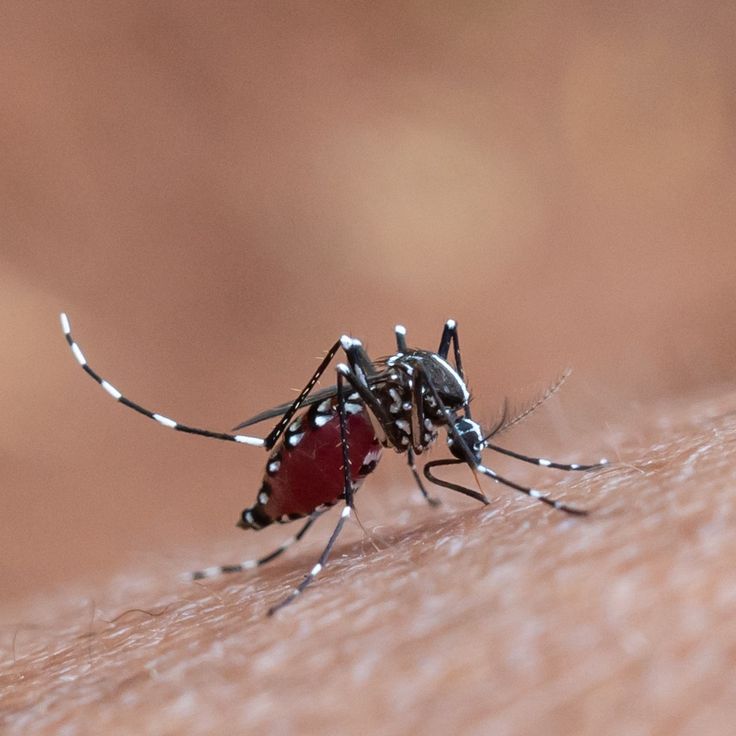
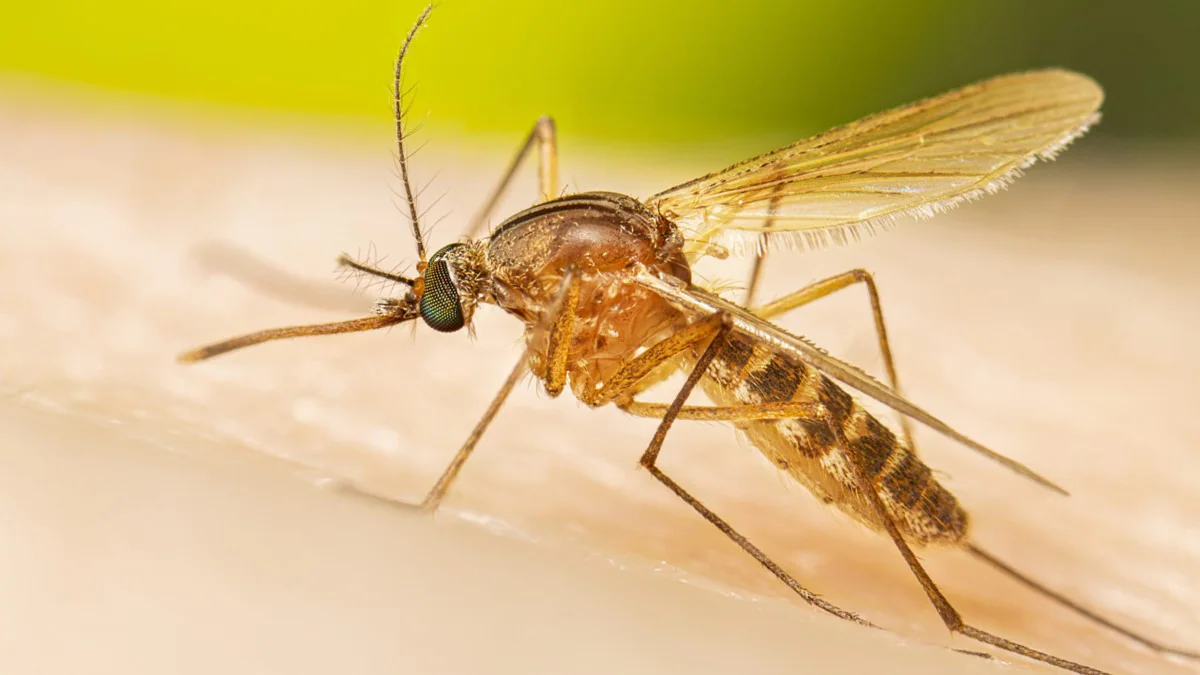
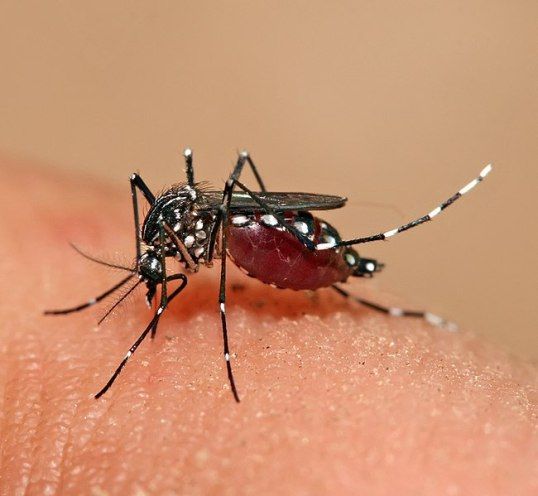
Common Drain Vectors Found in Singapore
Identifying the specific species is crucial for effective treatment. Here are the most common types found in Singapore homes and businesses.
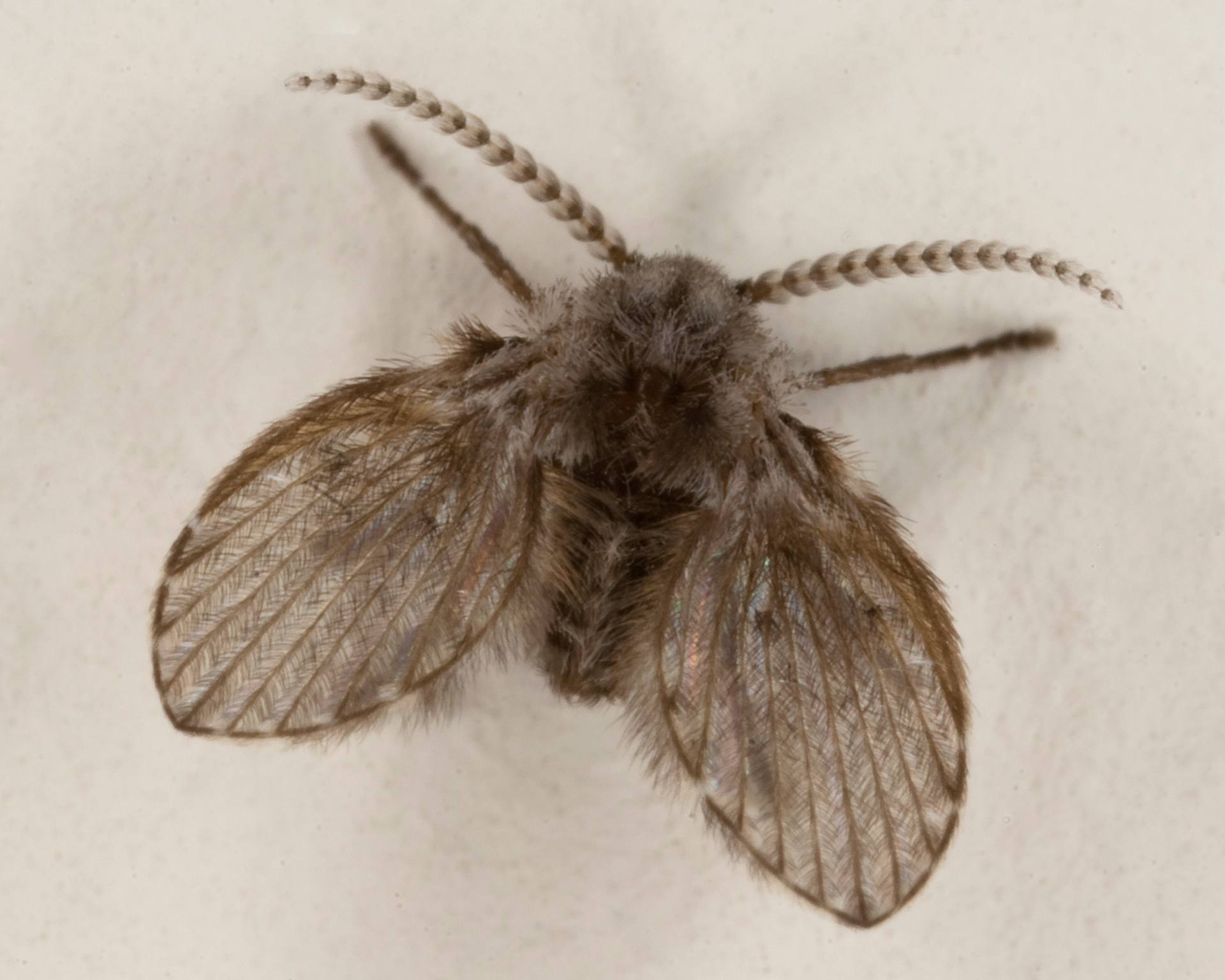
Signs of Infestation
Health & Safety Risks
Our Solutions
Drain Mapping & Cover Lifting
Systematic lifting and numbering of every drain cover, floor trap, gully trap and inspection chamber so nothing stays outside the inspection register.
Desilting & Source Reduction
Removal of silt, leaf litter and organic sludge that holds water and feeds larvae, plus advisory on falls, gratings and missing covers.
Larviciding of Drainage
Bti, sand granular and IGR formulations selected for organically polluted water, applied at measured dose with retreatment matched to residual life.
Biofilm & Bio-Enzyme Treatment
Enzyme dosing of floor traps and grease interceptors to break down the organic film that sustains drain flies and small-fly breeding.
Gully Trap Rectification Advisory
Identification of dry, cracked or uncovered gully traps and clear recommendations to the M&E or building team, tracked to closure.
Thermal Fogging of Drain Lines
Targeted fogging along drain runs and voids to knock down adults resting in the drainage network between larvicide cycles.
Treatment Process
Survey and numbering of the complete drainage network including covered chambers
Cover lifting and larval dipping at each point to establish a breeding baseline
Desilting and removal of organic accumulation from positive and high-risk points
Larvicide application at measured dose with product matched to water quality
Bio-enzyme dosing of floor traps and grease interceptors where organic load is high
Fogging of drain runs and voids where adult activity is confirmed
Retreatment cycle, dipping verification and dated reporting with photographs