
Construction Site Vector Control
Construction site vector control in Singapore is the NEA-mandated programme that prevents mosquito breeding on active worksites. Under the Control of Vectors and Pesticides Act the main contractor as occupier must run weekly breeding checks, remove or treat every water habitat, and keep written records. Breeding found on site can trigger fines and a Stop Work Order.
Construction sites are the highest-risk vector environment in Singapore. Rainwater collects in formwork, props, sumps and stacked materials within hours, and Aedes can complete a generation in about a week. Our construction site vector control programme gives main contractors a numbered checkpoint register, weekly licensed inspections, larviciding, fogging and the audit-ready documentation NEA asks for the moment an officer walks on site.
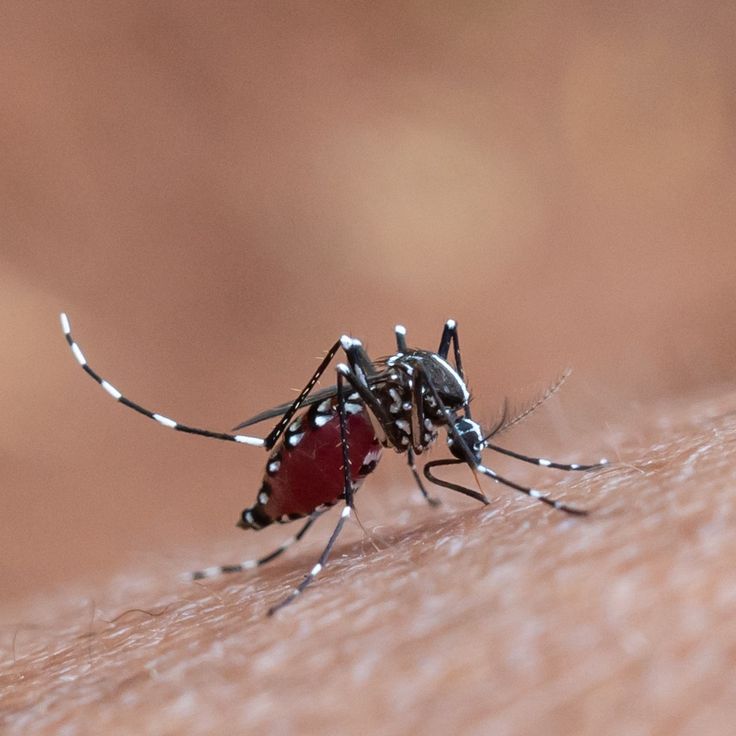
Common Site Vectors Found in Singapore
Identifying the specific species is crucial for effective treatment. Here are the most common types found in Singapore homes and businesses.
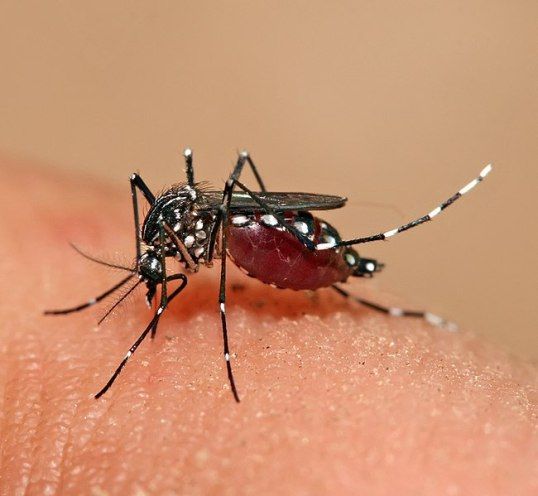
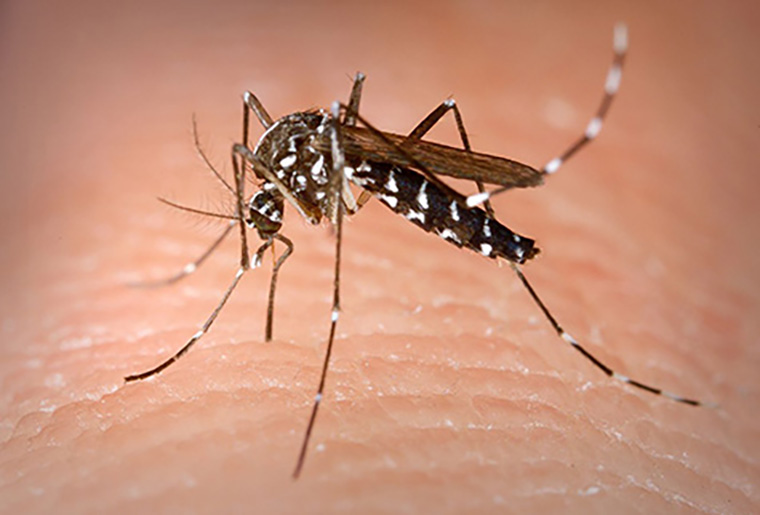

Signs of Infestation
Health & Safety Risks
Our Solutions
Checkpoint Register & Site Mapping
Every potential habitat on site is mapped, numbered and risk-graded, giving the safety officer a physical route to walk and NEA a defensible record of coverage.
Weekly Licensed Breeding Checks
NEA-licensed vector control officers inspect every checkpoint weekly, dipping water bodies, checking formwork and probing concealed habitats that site staff routinely miss.
Source Reduction Advisory
Practical instructions to the site team on drilling props, tilting stacked materials, covering tanks, correcting drainage falls and clearing receptacles at end of shift.
Larviciding of Retained Water
Bti, insect growth regulators and sand granular larvicides applied to sumps, silt traps and water bodies that must remain for construction operations.
Thermal Fogging & ULV Misting
Scheduled adulticiding of perimeter vegetation, hoarding lines and basement voids, escalated during dengue cluster activity near the site.
Audit-Ready Compliance File
Dated reports, photographs, chemical usage logs, operator licence records and corrective-action tracking compiled monthly for the developer and NEA.
Treatment Process
Mobilisation survey with the worksite safety officer to map and number all checkpoints
Baseline sweep with immediate removal or treatment of every active breeding habitat
Toolbox briefing for supervisors and workers on daily source reduction duties
Weekly licensed inspection with dipping, larviciding and photographic recording
Scheduled thermal fogging of perimeters, voids and vegetated boundaries
Same-day escalation protocol if breeding or an NEA notice is detected
Monthly compliance pack issued to the main contractor and developer