
Deer Tick
Ixodes spp.
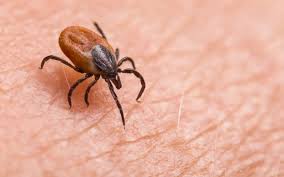
The deer tick (also known as the hard tick) is found in grassy and wooded areas of Singapore. While less common in urban settings, it is encountered in parks, nature reserves, and properties bordering green spaces. It is the known vector of Lyme disease globally.
Risk Level
High
Active Period
Year-round, most active in humid conditions
Common Locations
Nature reserves, Parks
Size
2–3mm (unfed adult), up to 10mm (engorged)
How to Identify Deer Tick
Physical Appearance
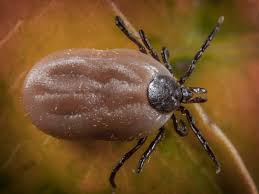
Small, dark brown to black tick with a hard dorsal shield (scutum). Unfed adults are flat and oval-shaped. Females have a reddish-brown body behind a dark scutum. Males are entirely dark brown.
Size
2–3mm (unfed adult), up to 10mm (engorged)
Common Locations
Nature reserves, Parks, Grassy areas, Garden borders
Habitat & Behaviour
Activity & Breeding
Ambush predator — waits on vegetation with forelegs extended (questing) for passing hosts. Attaches and feeds for several days. Three-host tick requiring a different host for each life stage. Cannot jump or fly — only crawls onto hosts from vegetation.
Active Period
Year-round, most active in humid conditions
Signs of Deer Tick Infestation
Health & Property Risks
Prevention Tips
Frequently Asked Questions
Other Tick Species
Need Help With Deer Tick?
Our experienced technicians can identify and eliminate deer tick infestations. Contact us for a free inspection and tailored treatment plan.