
Brown Dog Tick
Rhipicephalus sanguineus
The brown dog tick is the most common tick species in Singapore, unique in its ability to complete its entire life cycle indoors. Primarily infesting dogs, it can establish severe household infestations with ticks found on walls, furniture, and in cracks throughout the home.
Risk Level
Critical
Active Period
Year-round, most active in warm conditions
Common Locations
Dog kennels, Pet bedding
Size
3mm (unfed) to 12mm (engorged female)
How to Identify Brown Dog Tick
Physical Appearance
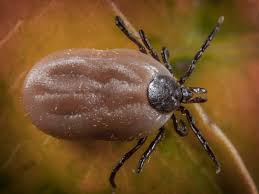
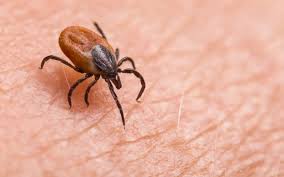
Unfed adults are flat, reddish-brown, about 3mm long. When engorged with blood, females swell to 10-12mm and become blue-grey. Eight legs. No distinct markings — uniformly brown.
Size
3mm (unfed) to 12mm (engorged female)
Common Locations
Dog kennels, Pet bedding, Cracks in walls, Behind furniture
Habitat & Behaviour
Activity & Breeding
Three-host tick — each life stage (larva, nymph, adult) feeds on a dog, drops off to moult, then seeks another host. Unique among ticks as it can survive and reproduce entirely indoors. Females lay up to 5,000 eggs in wall cracks and crevices.
Active Period
Year-round, most active in warm conditions
Signs of Brown Dog Tick Infestation
Health & Property Risks
Prevention Tips
Frequently Asked Questions
Other Tick Species
Need Help With Brown Dog Tick?
Our experienced technicians can identify and eliminate brown dog tick infestations. Contact us for a free inspection and tailored treatment plan.