
Asian Honey Bee
Apis cerana
The Asian honey bee is a vital pollinator commonly found in Singapore. While beneficial ecologically, colonies nesting on buildings, air-con ledges, and near high-traffic areas pose safety risks from stings, especially to those with allergies.
Risk Level
High
Active Period
Year-round, active during daylight
Common Locations
Building eaves, Tree branches
Size
10–13mm
How to Identify Asian Honey Bee
Physical Appearance
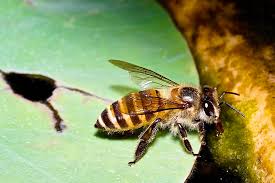
Smaller than Western honey bees. Golden-brown with distinct dark bands on the abdomen. Hairy body for pollen collection. Wings are translucent with visible venation.
Size
10–13mm
Common Locations
Building eaves, Tree branches, Roof overhangs, Air-con ledges
Habitat & Behaviour
Activity & Breeding
Builds single exposed combs hanging from branches, eaves, and overhangs. Colony size ranges from a few thousand to 30,000 bees. Highly defensive of the nest and will sting when threatened. Produces honey and wax.
Active Period
Year-round, active during daylight
Signs of Asian Honey Bee Infestation
Health & Property Risks
Prevention Tips
Frequently Asked Questions
Other Bee Species
Need Help With Asian Honey Bee?
Our experienced technicians can identify and eliminate asian honey bee infestations. Contact us for a free inspection and tailored treatment plan.