Termite Frass vs Ant Frass: How to Tell the Difference
By United Pest Editorial Team, Pest Management Specialist
Finding small piles of what looks like sawdust around your home in Singapore is rarely good news. The debris is almost always frass — a catch-all term for the droppings and discarded material insects push out of their nests. The two most common culprits are drywood termites and carpenter ants, and learning to tell their frass apart can save you thousands of dollars in structural repairs.
What Is Frass?
Frass is the waste material expelled by wood-boring insects as they tunnel. Termites and carpenter ants both leave it behind, but the way they produce and dispose of it is completely different — which is exactly why frass is one of the most reliable infestation clues you can spot without opening up a wall.
Termite Frass: Tiny Six-Sided Pellets
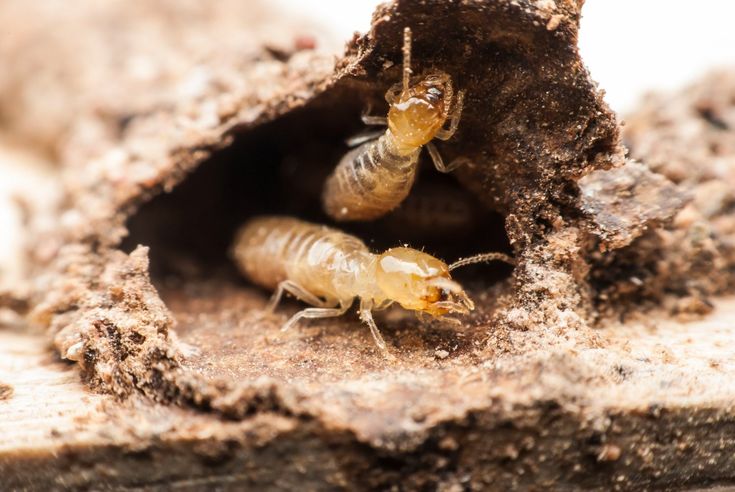
Drywood termites actually eat the wood they tunnel through. Their digestive system compresses the waste into hard, uniform pellets that they push out through small "kick-out" holes in the wood surface.
- Colour: Light tan to dark brown — the shade depends on the wood being eaten.
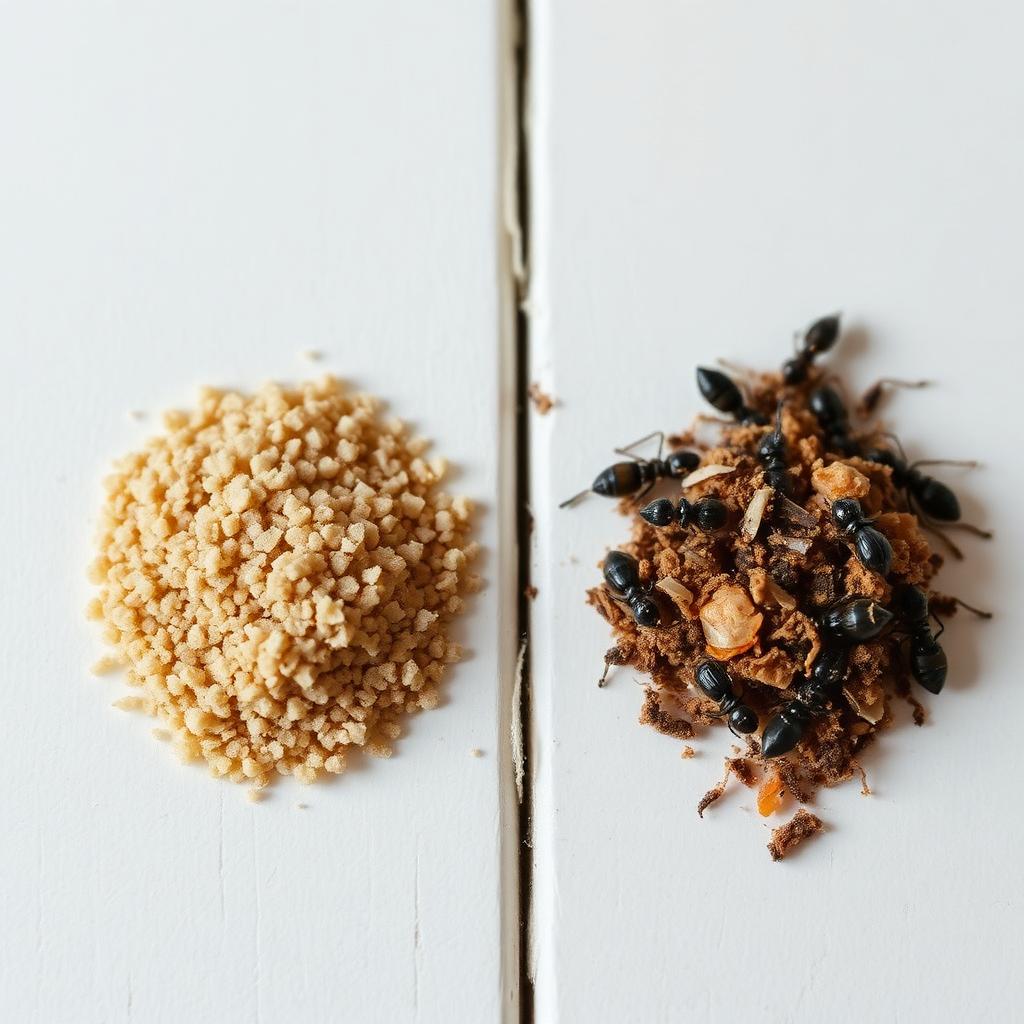
- Shape: Granular, oval, with six concave sides. Under a magnifying glass each pellet looks like a tiny ridged grain of rice.
- Size: About 1 mm long — similar to coarse coffee grounds or fine sand.
- Texture: Dry, hard, uniform. No insect parts mixed in.
- Where you'll find it: Small conical piles directly below skirting boards, door frames, wooden furniture, parquet flooring, and ceiling beams — usually right under a pinhole-sized exit hole.
Ant Frass: Messy Sawdust With Body Parts
Carpenter ants do not eat wood. They chew through it to expand their nest and dump the shavings outside. The result looks much rougher and more varied.
- Colour: Pale wood colour, sometimes mixed with darker fragments.
- Shape: Irregular, fibrous wood shavings — like the contents of a pencil sharpener.
- Size: Variable, often longer and stringier than termite pellets.
- Texture: Loose, fluffy, and almost always contains foreign material — dead ant body parts, wings, dried insect prey, and bits of soil.
- Where you'll find it: Larger piles near wall voids, damp window sills, kitchen cabinets, roof timbers, and around trees or stumps in the garden.
Side-by-Side Comparison
Quick Identification Checklist
- Uniform pellets, no debris mixed in → drywood termites.
- Sawdust mixed with insect parts → carpenter ants.
- Pile reappears within a day of cleaning → active infestation, regardless of type.
- Tiny pinholes in nearby wood → classic termite kick-out holes.
- Live ants visible carrying debris → almost certainly ant frass.
Why This Matters in Singapore
Singapore's year-round warmth and humidity make it one of the world's most termite-active environments. Subterranean and drywood termites cause millions of dollars in damage each year, and unlike ants they can compromise the structural integrity of your home long before you spot them. Misidentifying termite frass as "harmless sawdust" or ant debris is one of the most common — and most expensive — mistakes homeowners make.
Where to Look First
- Beneath wooden door frames and skirting boards
- Inside built-in wardrobes and kitchen carcasses
- Under parquet or solid-wood flooring joints
- Around ceiling beams, roof trusses, and timber decking
- Window sills with previous water damage
What to Do If You Find Frass
- Don't sweep it away yet. Photograph it next to a coin for scale — useful for a remote diagnosis.
- Clean the pile and mark the spot. If frass reappears within 24–72 hours, the colony is active.
- Tap the surrounding wood. A hollow sound strongly suggests termite damage inside.
- Avoid DIY sprays. Surface insecticides rarely reach the colony and can cause termites to abandon one area and infest another.
- Call a licensed pest control specialist. A trained technician can confirm the species and recommend the right treatment — soil treatment, baiting, or direct wood injection for termites; targeted gel and bait stations for carpenter ants.
Get a Professional Diagnosis
Frass is a clue, not a verdict. If you've found suspicious debris anywhere in your home or business, our NEA-licensed technicians can carry out a free on-site inspection, identify the species, and put together a targeted treatment plan before the damage spreads.