
Landlord vs Tenant: Who Pays for Pest Control in Singapore?
By United Pest Editorial Team, Pest Management Specialist
In Singapore rentals, landlords generally pay for structural pests (termites, drywood beetles, rodent entry from building defects), while tenants pay for pests caused by their own use of the property (cockroaches from poor sanitation, ants, bed bugs brought in with belongings). Most standard tenancy agreements use a S$150–S$250 minor-repair threshold to split routine costs.
What does a standard Singapore tenancy agreement say about pests?
Most tenancy agreements in Singapore (including the CEA-endorsed standard forms used for HDB and condo rentals) allocate pest control between landlord and tenant using two mechanisms. First, a minor-repair clause that requires the tenant to bear repair and pest costs up to a threshold — typically S$150–S$250 per incident. Second, a structural liability clause that puts termites, drywood beetles, and building-fabric defects on the landlord regardless of cost. Anything above the threshold that is not structural is usually negotiated case-by-case.
Who pays in the most common scenarios?
The table below reflects standard practice in Singapore rentals in 2026, based on typical tenancy agreements and dispute outcomes at the Small Claims Tribunal.
| Scenario | Usually Pays | Why |
|---|---|---|
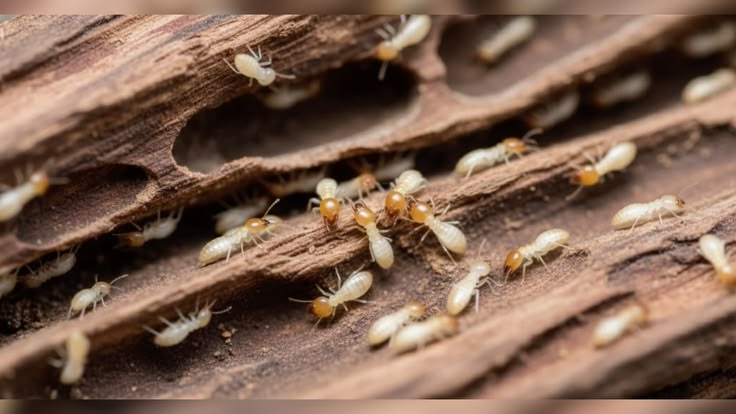
| Termites in floor joists / skirting | Landlord | Structural — damages the building itself |
| Rats entering via holes in service riser | Landlord | Building-defect entry point |
| Cockroaches in the kitchen (tenant occupied >3 months) | Tenant | Sanitation and food storage practices |
| Cockroaches at move-in (documented) | Landlord | Pre-existing condition |
| Ants on the countertop | Tenant | Below minor-repair threshold |
| Bed bugs, no prior history | Tenant | Most commonly introduced via luggage / used furniture |
| Bed bugs, documented at handover | Landlord | Pre-existing condition |
| Mosquitoes breeding on the balcony | Tenant | Water containers, plant pots under tenant control |
| Mosquitoes from common corridor / lift lobby | MCST / Town Council | Common property responsibility |
| Fumigation of entire unit after severe cockroach outbreak | Split or negotiated | Above minor-repair threshold; cause disputed |
| Neighbour's pest problem spreading into unit | Landlord + Town Council / MCST | Requires coordinated block-level response |
Does HDB or MCST have any responsibility?
Yes — but for common property only. Town Councils manage pest control in HDB common areas (bin chutes, void decks, corridors, refuse rooms). Any pest issue that stems from the common area is a Town Council matter, and the tenant or landlord should lodge a written complaint via the Town Council portal with photographic evidence. For condominiums, the MCST is responsible for common property including basement carparks, garbage rooms, and shared building services. Pest activity confined to inside a rental unit remains a landlord-tenant issue.
What should a tenant do when a pest problem appears?
- Document the problem with dated photos and a written description (species, location, frequency).
- Notify the landlord or property agent in writing (WhatsApp with photos is acceptable evidence).
- Take reasonable interim steps — sealing food, disposing of infested items — that a court would consider reasonable mitigation.
- Give the landlord a reasonable time to arrange treatment (7–14 days for non-urgent, 48 hours for rodents or bed bugs).
- If the landlord does not act on a landlord-scope issue, engage an NEA-licensed operator, keep receipts, and seek reimbursement in writing before escalating.
What should a landlord do to minimise disputes?
- Conduct a documented pest inspection at every tenancy handover — signed by both parties with photos.
- Include a clear minor-repair threshold in the tenancy agreement.
- Fund a preventive quarterly or bi-annual visit — the S$300–S$700/year cost prevents both major infestations and most tenant disputes. See our preventive management plans.
- Respond in writing within 48 hours to any pest complaint, even if the eventual view is that it is the tenant's responsibility.
- Retain NEA-licensed operator receipts and reports for at least 2 years to defend against handover disputes.
What happens if landlord and tenant disagree?
Most Singapore tenancy pest disputes end at one of three forums: (1) direct negotiation between the property agent and both parties, which resolves the majority; (2) the CEA-mediated dispute process if the agent is involved; or (3) the Small Claims Tribunal for claims under S$20,000. The Tribunal has consistently ruled in favour of the party that documented the issue earlier and communicated in writing — a strong reminder to always put pest complaints and responses on record.
💡 Landlord or Tenant — Get a Fair, Documented Quote
We provide itemised service reports that both parties can rely on. Use our cost calculator for a fast estimate or WhatsApp +65 9222 2278.
Frequently asked questions
Who pays for pest control in a rental property in Singapore?
In Singapore, structural pest issues (termites, drywood beetles, rodent infestations from building defects) are the landlord's responsibility because they damage the property. Tenant-triggered pest issues (cockroaches from poor sanitation, ants from spilled food, bed bugs brought in with luggage) are typically the tenant's responsibility. Standard tenancy agreements usually set the split at a S$150–S$250 minor-repair threshold.
Does the landlord have to pay for termite treatment?
Yes. Termites damage the building's structure — floor joists, door frames, skirting — which is always the landlord's obligation under standard Singapore tenancy law. The tenant's duty is limited to reporting suspected termite activity in writing and preserving evidence. Landlords who delay treatment risk both structural damage and a tenant claim for constructive breach.
Who pays for bed bug treatment in a rental?
Bed bug treatment usually falls on whoever introduced them. If the tenant moved in with pre-existing infestation (documented at handover), the landlord pays. If bed bugs appeared during tenancy, the tenant generally pays because the most common source is travel luggage or second-hand furniture. Always inspect and photograph mattresses at move-in.
Can a tenant deduct pest control costs from rent?
Only if the tenancy agreement explicitly allows it, or if the landlord has been notified in writing and has failed to act within a reasonable time on an issue clearly within landlord scope (termites, structural rodent entry). Unilaterally deducting rent without following the notice-and-cure process usually breaches the tenancy and exposes the tenant to termination.