Booklice in New BTO Flats: Why They Appear and How to Remove Them
By United Pest Editorial Team, Pest Management Specialist
Booklice appear in new BTO flats in Singapore because fresh cement, plaster, and built-in carpentry release residual moisture during the first 6–18 months, feeding microscopic mould on skirting and cabinet interiors. Booklice eat that mould, not your books or food. Reducing indoor humidity below 55% RH usually eliminates them without insecticide.
What are booklice and how do I identify them?
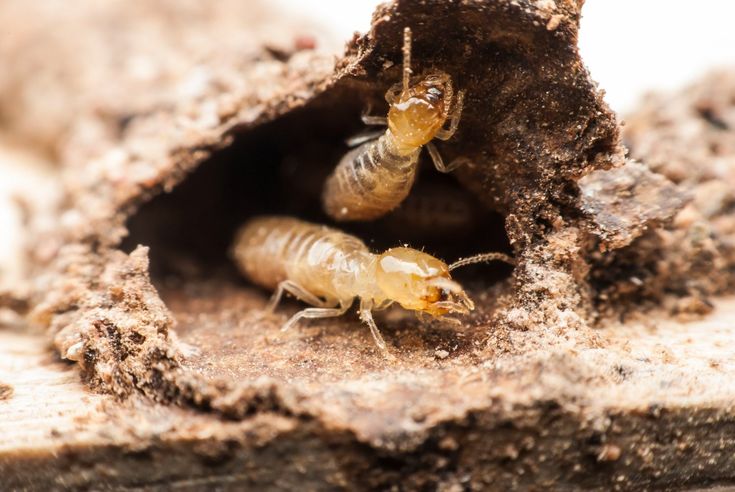
Booklice (order Psocoptera, most commonly Liposcelis species in Singapore) are wingless, translucent-to-pale-brown insects about 1–2 mm long — roughly the size of a poppy seed. They are frequently mistaken for bed bug nymphs, but bed bugs are darker, oval-shaped, and only appear near sleeping areas. Booklice appear on kitchen countertops, inside built-in wardrobes, behind skirting, on window sills, and around plaster ceiling joins. They move quickly when disturbed and often congregate in small clusters near humid corners.
Why are new BTO flats especially prone to booklice?
Three characteristics of a newly-built Singapore flat combine to create ideal booklice conditions:
- Fresh cement and plaster. Concrete and cement plaster continue releasing moisture for 12–24 months after casting. In a sealed, air-conditioned flat this moisture accumulates rather than dispersing.
- New carpentry and cabinetry. Built-in wardrobes and kitchen carriers use engineered wood (MDF, plywood) that absorbs ambient moisture and provides a food-friendly substrate for surface mould.
- Reduced ventilation. Modern BTO layouts are optimised for air-conditioning rather than cross-ventilation. Owners often keep windows shut, trapping humidity at 65–75% RH — well within booklice comfort range (60–90% RH).
The result: microscopic mould films form on cool surfaces (skirting, cabinet interiors, tile grout), and booklice arrive within weeks — either walking in from common corridors or hatching from eggs already present in delivered furniture.
Where in a BTO flat do booklice usually appear?
Based on inspection data from Singapore BTO estates in 2024–2026, the top booklice hotspots are:
- Inside kitchen wall cabinets — especially those against external walls
- Built-in wardrobe interiors, particularly at the back panel joint
- Skirting behind sofas and bed frames placed against walls
- Bathroom door frames and window sills
- Inside cardboard boxes stored in storerooms and utility rooms
- Around plaster ceiling cornices in bedrooms with continuous aircon use
How do I remove booklice from a BTO flat?
Booklice removal is a three-step process, in order of importance. Do them in this sequence — skipping directly to insecticide almost always leads to a second wave.
Step 1: Drop the humidity
Run the air-conditioning on dehumidify mode (or a standalone dehumidifier) targeting 45–55% RH continuously for at least 14–21 days. A S$25 hygrometer confirms readings. This step alone eliminates 70–80% of light booklice infestations because it removes both the moisture booklice need and the mould they eat.
Step 2: Remove the food source
Wipe every affected surface — skirting, cabinet interiors, wardrobe backs — with a solution of one part white vinegar to three parts water, or with 70% isopropyl alcohol. Both kill surface mould without leaving residue. Discard damp cardboard boxes, old paper stacks, and any obviously mouldy items. Leave cabinet doors open during the treatment period so airflow can penetrate.
Step 3: Physical proofing
Seal any visible gaps around pipe penetrations, aircon copper piping, and door thresholds with silicone sealant — these are common entry routes from shared risers. Add door sweeps to bedroom and storeroom doors so humid air cannot pool in low-airflow rooms.
Insecticide vs no insecticide — a comparison
| Approach | Time to Resolve | Recurrence Rate | Suitable For |
|---|---|---|---|
| Humidity + mould removal only | 2–4 weeks | Low (if RH kept <55%) | Light, localised infestation |
| Humidity control + residual spray | 1–2 weeks | Very low | Widespread infestation |
| Spray only, no humidity fix | 1 week (temporary) | High — returns in 3–8 weeks | Not recommended |
How do I prevent booklice for the next 12 months?
Because BTO flats keep curing well into year two, prevention needs to run alongside removal:
- Keep indoor RH between 45% and 55% year-round — most Singapore aircons can hold this on 24°C dehumidify mode.
- Open windows for 30 minutes twice a week when weather permits, to purge trapped moisture.
- Store dry goods in sealed containers, not their original cardboard packaging.
- Inspect cabinet interiors monthly for the first year — early mould signs mean humidity is drifting up.
- Combine with a general pest prevention plan if you also see ants or cockroaches.
When to call a professional
Book a professional inspection if any of the following apply: booklice persist after 4 weeks of humidity control; you find them inside sealed food packaging (indicates a heavy population); you see silverfish or mould-feeding beetles alongside; or someone in the household reports respiratory symptoms. Professional treatment combines targeted residual spray with humidity diagnostics — a licensed technician will read RH inside cabinets and behind carpentry that homeowners cannot easily access.
💡 New BTO Pest Package
We treat booklice, ants, and post-renovation cockroaches in a single visit for most new BTO flats. WhatsApp +65 9222 2278 or use our cost calculator for a fast quote.
Frequently asked questions
Why are booklice appearing in my new BTO flat?
New BTO flats in Singapore commonly develop booklice within the first 6–18 months because fresh cement, plaster, and wood release residual moisture as they cure. That indoor humidity feeds microscopic mould on skirting, kitchen cabinets, and inside built-in wardrobes — the primary food source for booklice. It is a curing-phase issue, not a hygiene problem.
Are booklice harmful to humans?
Booklice do not bite, sting, or transmit disease, and they are not a health threat in themselves. They can trigger mild allergy or asthma symptoms in sensitive individuals through airborne fragments, and heavy populations indicate an underlying humidity or mould problem that does need addressing.
How do I get rid of booklice without chemicals?
Reduce indoor humidity below 55% RH using aircon dehumidify mode or a standalone dehumidifier for 2–3 weeks. Remove the mould food source by wiping affected surfaces with a diluted white vinegar or 70% isopropyl alcohol solution. Ventilate cabinets, discard damp cardboard and old paper, and the population usually collapses without any insecticide.
When should I call a professional?
Call an NEA-licensed operator if booklice persist beyond 4 weeks of humidity control, if you find them inside food packaging, if they appear alongside silverfish or mould-feeding beetles, or if any household member has allergic reactions. Professional treatment combines residual spraying with humidity diagnostics that homeowners rarely have equipment for.