
Lesser Banded Hornet
Vespa affinis
The lesser banded hornet is one of the most commonly encountered hornets in Singapore. Large and aggressive, it builds substantial enclosed nests in trees and on building structures. Its painful sting and defensive behaviour make it a serious safety concern near homes and businesses.
Risk Level
Critical
Active Period
Year-round, most active during daylight
Common Locations
Trees, Building facades
Size
22–30mm
How to Identify Lesser Banded Hornet
Physical Appearance
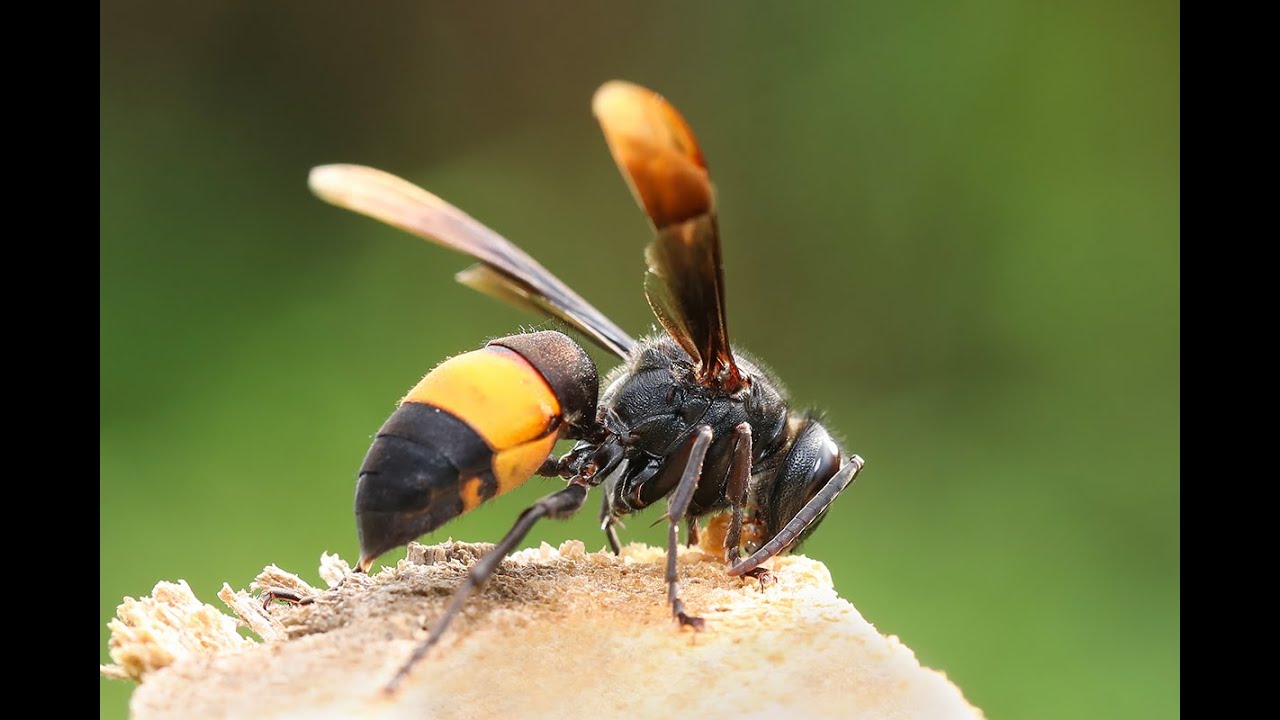
Large hornet with striking black and orange-yellow banding. Head is orange-brown with large compound eyes. Body is predominantly black with a broad orange-yellow band on the first two abdominal segments. Wings are dark brown.
Size
22–30mm
Common Locations
Trees, Building facades, Roof spaces, Garden sheds
Habitat & Behaviour
Activity & Breeding
Highly social, building large enclosed paper nests that can house thousands of individuals. Very aggressive when nest is disturbed. Guards patrol the nest perimeter and will attack in numbers. Feeds on other insects and sweet substances.
Active Period
Year-round, most active during daylight
Signs of Lesser Banded Hornet Infestation
Health & Property Risks
Prevention Tips
Frequently Asked Questions
Other Wasp Species
Need Help With Lesser Banded Hornet?
Our experienced technicians can identify and eliminate lesser banded hornet infestations. Contact us for a free inspection and tailored treatment plan.