
Dengue Cluster Response
Dengue cluster response in Singapore is the intensified vector control carried out when NEA gazettes an area as an active dengue cluster. It combines a saturation search-and-destroy sweep of breeding habitats, larviciding, thermal fogging of common areas and residual spraying of indoor resting sites, repeated on a short cycle until the cluster is closed.
When NEA gazettes your address inside a dengue cluster, the response window is measured in days. Our dengue cluster response mobilises a licensed vector team for a saturation sweep of every breeding habitat, followed by larviciding, thermal fogging and residual treatment of resting sites, with daily reporting that MCST councils, town councils and main contractors can put in front of residents, NEA and their board.
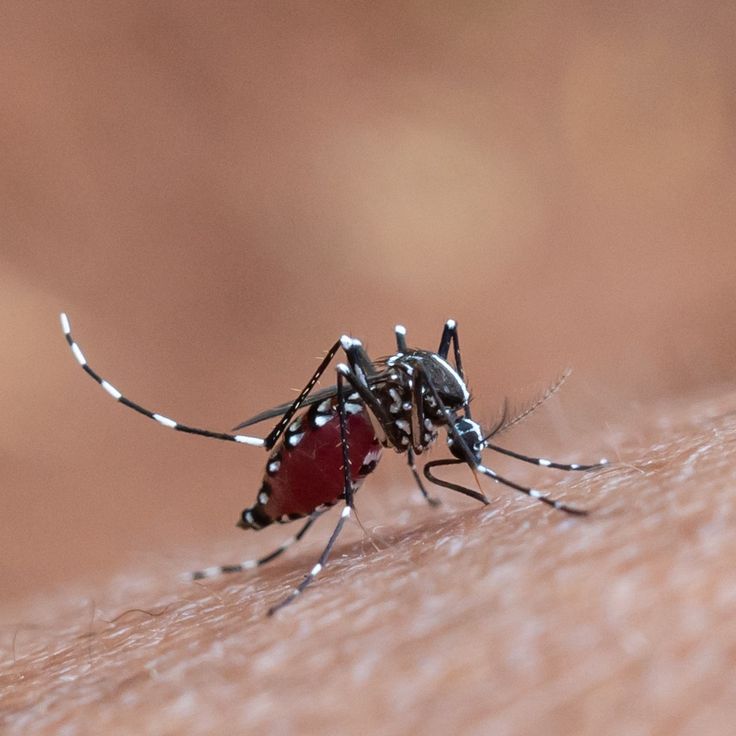
Common Dengue Vectors Found in Singapore
Identifying the specific species is crucial for effective treatment. Here are the most common types found in Singapore homes and businesses.
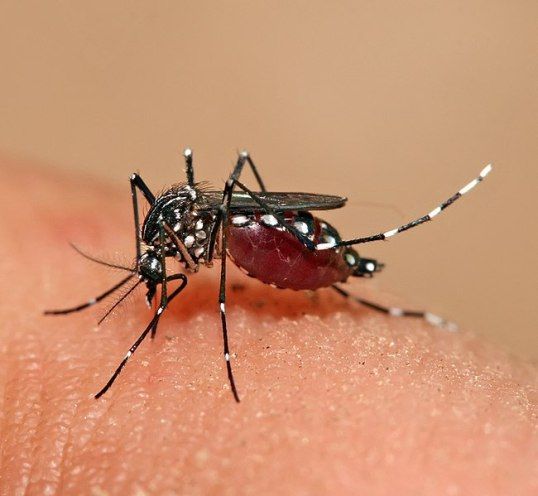
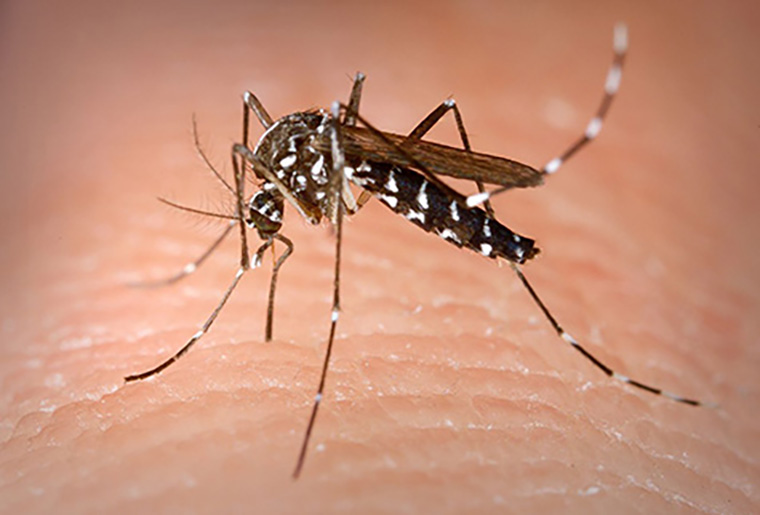
Signs of Infestation
Health & Safety Risks
Our Solutions
Saturation Search & Destroy
Block-by-block sweep of common areas, corridors, bin centres, drains, rooftops, landscaping and reported units to locate and destroy every breeding habitat inside the cluster boundary.
Intensive Larviciding
Bti and insect growth regulator treatment of every water body that cannot be drained, including floor traps, gully traps, sumps, ornamental features and roof gutters.
Thermal Fogging
Thermal fogging of drains, void decks, basements, shrubbery and perimeter vegetation to knock down flying adults, scheduled at dawn or dusk for maximum effect.
Indoor Residual Spraying
Residual treatment of dark indoor resting surfaces where Aedes rests between blood meals, which is where fogging alone consistently fails.
Gravitrap Surveillance
Deployment of gravitraps to measure adult female density across the cluster so the intensity of treatment can be stepped down on evidence rather than assumption.
Resident & Stakeholder Communications
Notices, circulars and briefing material for residents, tenants and workers, plus a consolidated report pack for the council, MCST board or developer.
Treatment Process
Emergency mobilisation within 24 hours of the cluster notification where scheduling permits
Cluster boundary mapping against NEA's gazetted area and a habitat inventory
Saturation search-and-destroy sweep of all common property and accessible units
Larviciding of every retained water body and treatment of concealed habitats
Thermal fogging cycle repeated at short intervals through the transmission window
Indoor residual spraying of resting sites in affected blocks
Daily or weekly reporting until NEA closes the cluster, followed by a prevention plan