
Common Bed Bug
Cimex lectularius
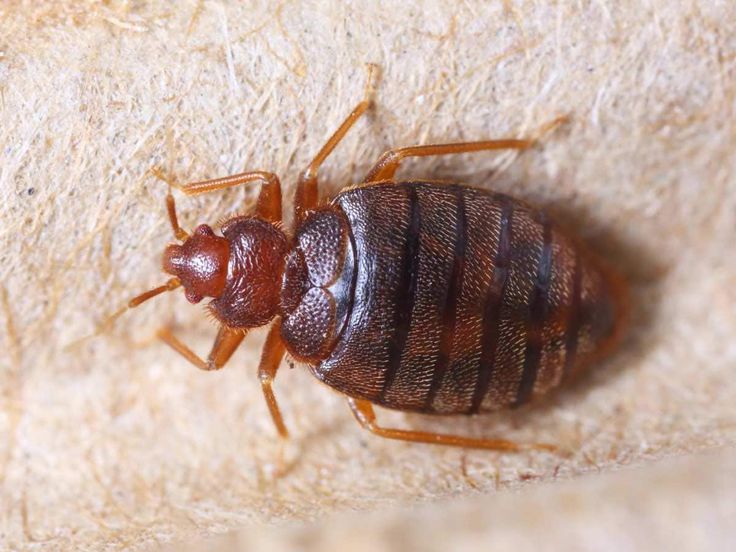
The common bed bug is a flat, oval, reddish-brown blood-feeding parasite that has plagued humans for thousands of years. It feeds exclusively at night, hiding in mattress seams, bed frames, and furniture crevices during the day. Highly resilient, it can survive months without feeding.
Risk Level
Critical
Active Period
Nocturnal, feeds between 1am–5am
Common Locations
Mattress seams, Bed frames
Size
4–7mm (adult)
How to Identify Common Bed Bug
Physical Appearance
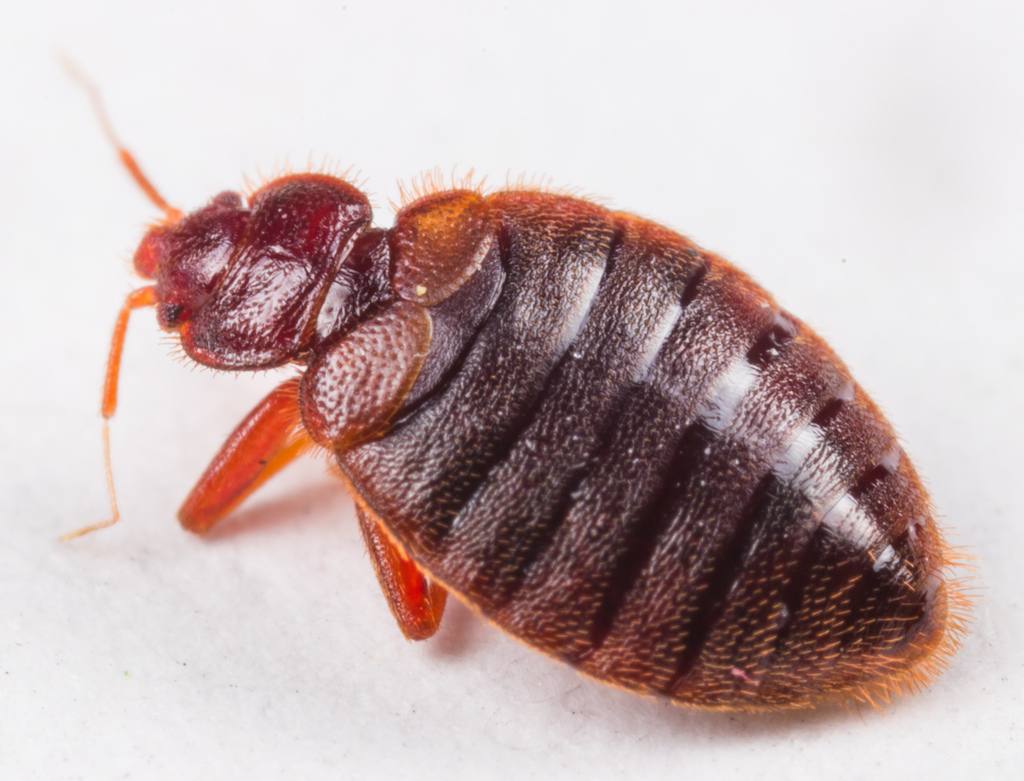
Flat, oval-shaped body about 5mm long when unfed. Reddish-brown colour that becomes darker and more elongated after feeding. Six legs and short antennae. Nymphs are smaller and translucent, becoming reddish after feeding.
Size
4–7mm (adult)
Common Locations
Mattress seams, Bed frames, Headboards, Furniture joints
Habitat & Behaviour
Activity & Breeding
Feeds on human blood, typically for 5-10 minutes. Attracted by body heat and CO2. Hides in cracks and crevices within 2 metres of the bed. Female lays 1-5 eggs per day, up to 500 in her lifetime. Can survive 6-12 months without feeding.
Active Period
Nocturnal, feeds between 1am–5am
Signs of Common Bed Bug Infestation
Health & Property Risks
Prevention Tips
Frequently Asked Questions
Other Bed Bug Species
Need Help With Common Bed Bug?
Our experienced technicians can identify and eliminate common bed bug infestations. Contact us for a free inspection and tailored treatment plan.