
How to Keep Your Singapore Condo Pest-Free Year-Round
By United Pest Editorial Team, Pest Management Specialist
Singapore's condominium living offers comfort, security, and convenience — but it also comes with unique pest challenges. Shared walls, communal bin centres, lush landscaping, and interconnected plumbing create multiple pathways for pests to enter and spread between units. Whether you are a condo owner, tenant, or part of the management committee (MCST), understanding these risks is the first step toward a pest-free environment.
Why Condos Are Vulnerable to Pest Infestations
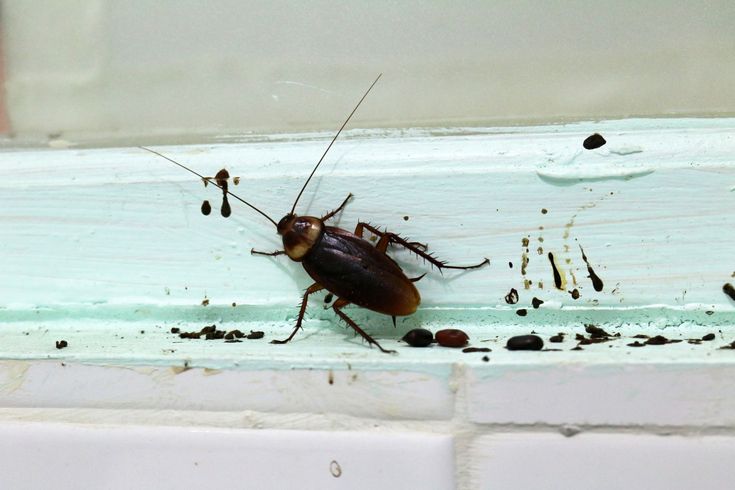
Unlike landed properties, condominiums share critical infrastructure — plumbing risers, refuse chutes, electrical conduits, and ventilation systems — that pests exploit to move freely between floors and units. A cockroach infestation in one unit can rapidly spread to neighbouring apartments through pipe gaps and wall cavities.
Additionally, many Singapore condos feature extensive landscaping, water features, and swimming pools that attract mosquitoes, ants, and even snakes from surrounding green spaces.
💡 Did You Know?
Cockroaches can travel between condo units through gaps as small as 1.6mm around plumbing pipes — roughly the thickness of a credit card.
Top 5 Pest Entry Points in Condominiums
Understanding where pests gain access is critical for effective prevention:
- Plumbing risers and pipe penetrations: Gaps around water supply and drainage pipes connecting floors are the primary highway for cockroaches and rodents.
- Refuse chutes and bin centres: Communal waste areas attract cockroaches, flies, and rodents if not maintained with proper hygiene protocols.
- Balcony and window openings: Ground-floor and lower units are vulnerable to ants, mosquitoes, and occasional wildlife from landscaped areas.
- Air-conditioning drainage: Stagnant water in AC drip trays and condensate lines creates ideal Aedes mosquito breeding habitats.
- Electrical and data conduits: Cable entry points that are not properly sealed allow ants and small cockroaches to migrate between units.
Prevention Strategies for Condo Unit Owners
Individual unit owners play a crucial role in preventing infestations:
- Seal all pipe gaps: Use fire-rated sealant or expanding foam to close gaps around plumbing penetrations in kitchens and bathrooms.
- Install door sweeps: Ensure main entrance doors and balcony sliding doors have proper seals to prevent pest entry at ground level.
- Eliminate standing water: Empty AC drip trays weekly, ensure balcony drains flow freely, and avoid leaving water in plant pot saucers.
- Store food properly: Keep dry goods in airtight containers and avoid leaving pet food exposed overnight.
- Schedule regular inspections: Professional quarterly pest monitoring catches problems before they escalate.
💡 Did You Know?
A single female German cockroach can produce up to 400 offspring in a year. In a condo environment with shared infrastructure, this can lead to building-wide infestations within months.
What Management Committees Should Do
MCSTs and condo management companies should implement a comprehensive Integrated Pest Management (IPM) programme that covers:
- Regular common area treatments: Monthly residual spraying in bin centres, car parks, and service corridors.
- Mosquito control: Weekly inspections of water features, drains, and roof gutters, with ULV fogging during peak dengue periods.
- Rodent management: Strategic placement of tamper-resistant bait stations along perimeter walls and near bin centres.
- Landscaping maintenance: Trimming vegetation away from building facades, removing fallen fruit, and managing compost areas.
- Resident communication: Regular advisories on pest prevention, reporting procedures, and scheduled treatment dates.
When to Call Professional Pest Control
While prevention is the best strategy, certain signs indicate you need professional intervention immediately:
- Recurring pest sightings despite DIY efforts
- Droppings, egg cases, or shed skins found in kitchen or bathroom areas
- Unusual musty odours suggesting a hidden cockroach colony
- Neighbours reporting similar pest issues (indicating a building-wide problem)
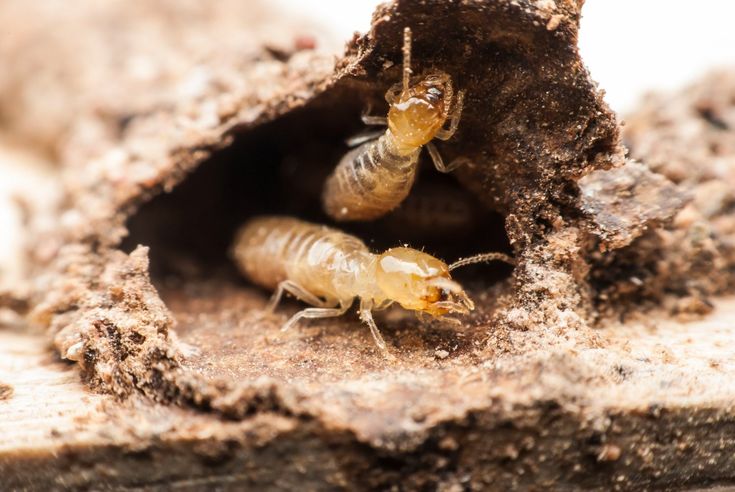
- Visible termite mud tubes on walls or wooden fixtures
Professional pest control companies can use advanced tools like thermal imaging to detect hidden infestations behind walls and beneath floors without any structural damage.
Protect Your Condo Investment
A pest-free condo protects your family's health, preserves your property value, and ensures a comfortable living environment. Whether you are an individual unit owner or managing an entire development, proactive pest management is the smartest investment you can make in Singapore's tropical climate.
Need help pest-proofing your condo? Call 92222278 for a free inspection today.